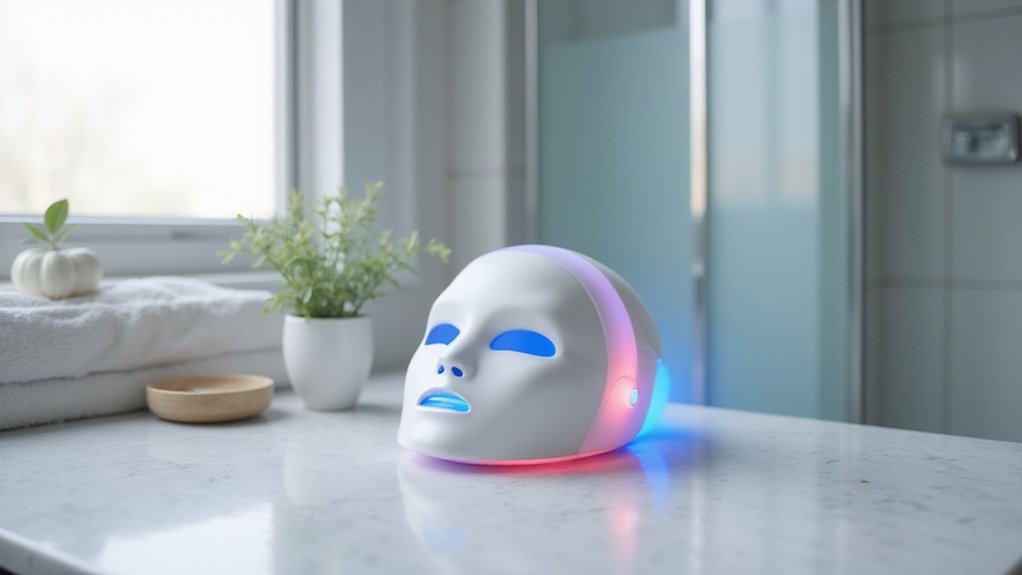
Struggling to find a skincare boost that actually works without invasive procedures? LED facial masks might be just what you need. They use targeted light wavelengths to trigger your skin’s natural healing.
This helps you reduce wrinkles, clear acne, and even out skin tone over time. Keep reading to see how making this a part of your routine can bring real results.
What Is an LED Mask and How Does Light Therapy Work?
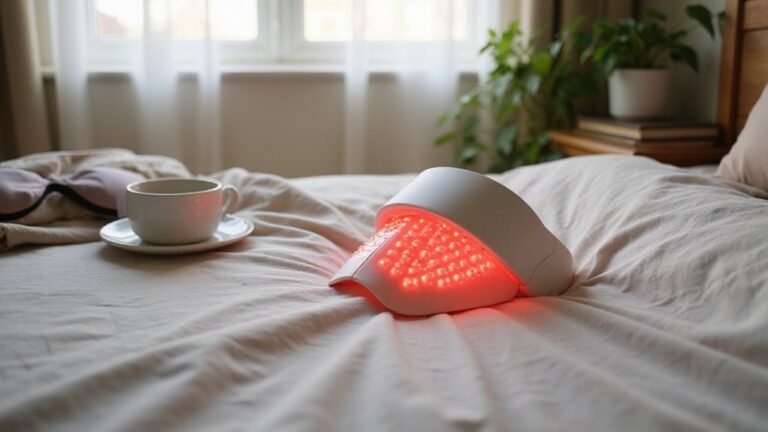
An LED mask is a skincare device that covers your entire face with built-in LED diodes, which emit specific light wavelengths to address different skin concerns. It’s a form of phototherapy, not laser treatment, that uses low-power light to stimulate your skin cells. When you turn on the mask, your skin absorbs the light energy, triggering a biochemical process called photobiomodulation. This process doesn’t damage your skin but gently encourages cellular activity. The color of the light—such as red or blue—determines which layer of your skin absorbs it. Red light typically targets deeper layers to boost collagen and reduce inflammation, while blue light is often used to tackle bacteria that cause acne. Using an LED mask regularly at home requires patience and consistency; visible results develop gradually as your skin responds to the therapy. Unlike lasers, LED light is incoherent and non-collimated, producing a biostimulatory effect often described as a “light massage” rather than a destructive treatment. This gentle stimulation is similar to how a derma roller encourages skin renewal through controlled micro-injuries. For the best results, following a beginner-friendly walkthrough ensures the mask is used safely and effectively. Similar to how tape extensions rely on adhesive strips to bond securely to hair, the diode’s adhesion to the skin’s surface ensures consistent light delivery during each session.
Can LED Masks Really Boost Collagen and Reduce Wrinkles?
Red LED masks can help boost collagen production and reduce wrinkles, but the effects develop gradually with consistent use. Red light penetrates the skin’s dermis, where it stimulates fibroblasts through a process called photobiomodulation. This stimulation encourages collagen synthesis, leading to firmer, smoother skin over time. Clinical observations indicate measurable improvements typically start to appear after one to three months of regular use. The results tend to last for up to a month after discontinuing treatment, but noticeable changes usually become evident around the 8 to 12 week period with dedicated application. Keep in mind that at-home devices generally don’t match the intensity of professional treatments, so patience and consistency are key. If you stick with it, you should notice a decrease in fine lines and an improvement in skin texture, but skipping sessions or inconsistent use can slow or diminish your progress. Similar to how extensions require proper installation methods to achieve lasting results, consistent mask usage is crucial for visible collagen benefits. Understanding the manufacturing process of tattoo ink can reveal similarities in how pigments are formulated for consistent light penetration. For best results, always start with clean, foam-based soap to remove surface impurities before using your LED mask.

The LED Facial Mask is an over-the-counter, facemask-shaped design light emitting diode (LED) device that emits light energy in the red, blue, and amber spectrum for the treatment of wrinkles or mild to moderate inflammatory on the face.
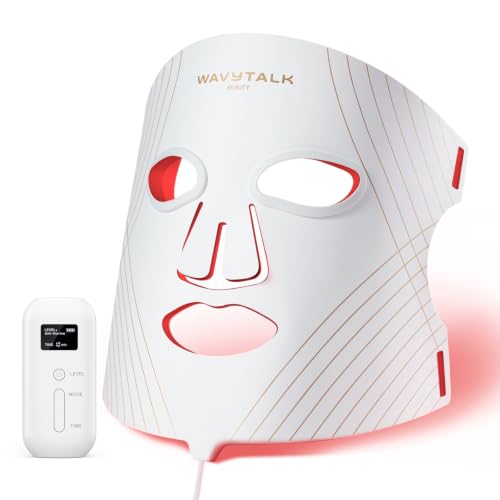
Clinically Proven Results in 28 Days: Achieve visible improvements backed by lab data with Wavytalk’s LED face mask light therapy: up to 81.5% fewer breakouts, 10.5% reduction in fine lines, and a 70.4% boost in skin radiance. Salon-grade technology delivers professional results at a fraction of the cost. Whether you want clearer, younger-looking skin or a brighter glow —Wavytalk’s red light therapy mask delivers.

Clinically Proven Transformation Results: In a clinical study,users report noticeable transformations where forehead creases are softened and nasolabial fold appears less pronounced, while overall skin complexion becomes more even-toned, resulting in a glowing skin after 4 weeks of facial light therapy treatment.Breakouts reduce by an impressive 96% after 12 weeks, with initial changes seen as early as 2 weeks. T-zone oiliness decreases, pores look smaller, and skin becomes significantly less inflamed and breakout-prone.
Does Blue Light in LED Masks Actually Clear Acne?
Blue light in LED masks can effectively reduce acne for mild-to-moderate cases. It works by killing acne-causing bacteria, specifically *C. acnes*, through a chemical reaction that occurs inside the bacteria. Several clinical studies support this benefit: a meta-analysis of six trials observed significant decreases in inflammatory lesions, and in one study, 86% of participants improved by at least one severity grade. For optimal results, you should use the mask consistently over a period of 4 to 12 weeks. Blue light also helps regulate oil production, which reduces sebum buildup that can clog pores. Over time, this can lead to smaller pores and tighter skin as breakouts lessen. Since it is noninvasive and free from harsh chemicals, blue light therapy presents a safe option—though it’s primarily effective for mild to moderate acne rather than severe cases. Unlike tattooing, which permanently deposits ink into the skin, blue light treatment is entirely reversible if you decide to stop. When troubleshooting uneven results, applying the same principle used to create tattoo stencils can help ensure consistent coverage. To achieve even light distribution, you should apply the mask directly to clean, dry skin just as you would carefully position a lace front for a secure bond.
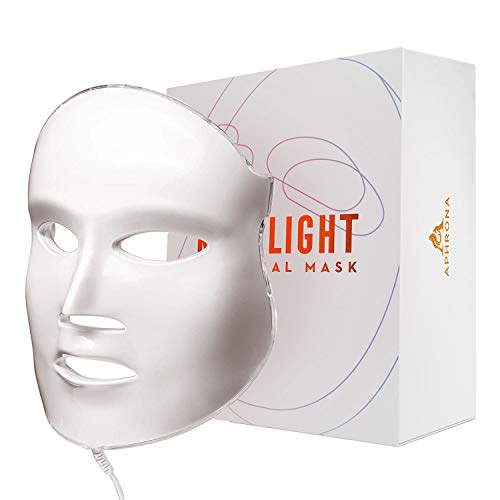
VISIBLE RESULTS IN LESS TIME – Experience the power of LED light therapy with Aphrona’s advanced face mask, designed to rejuvenate and transform your skin. Featuring 450 high-purity (99%) narrow-spectrum LED chips, our mask delivers optimal energy distribution for maximum effectiveness—from the comfort of your home. Distributed in USA.
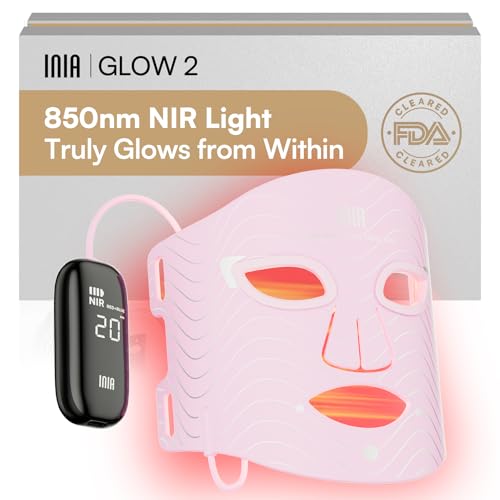
Dual-Wavelength Revitalization: The INIA Red Light Mask combines 630nm red light for surface renewal with 850nm near-infrared light for deeper skin support. This dual-wavelength design allows up to 2× deeper penetration and energy delivery, helping boost collagen and skin elasticity. Press the “NIR” button to activate both modes and elevate your skincare routine.

VISIBLE RESULTS IN LESS TIME – Experience the power of LED light therapy with Aphrona’s advanced face mask, designed to rejuvenate and transform your skin. Featuring 450 high-purity (99%) narrow-spectrum LED chips, our mask delivers optimal energy distribution for maximum effectiveness—from the comfort of your home. Distributed in USA.
Soothing Redness and Calming Sensitive Skin With LED Therapy
Red and near-infrared wavelengths are effective at calming inflammation and reducing facial redness. The 633 nm red light targets surface-level inflammation, helping to diminish pink hues and overall sensitivity without creating heat. Near-infrared light at 830 nm penetrates deeper tissues to control persistent redness and support skin repair. Expect a gradual decrease in heat and reactivity over time. Visible improvements generally appear after 4 to 8 weeks of consistent use, administered three to five times per week. The treatment is gentle; you may notice a mild eye sensation, but it is safe for sensitive or rosacea-prone skin. While occasional redness flare-ups can occur, side effects are rare. With regular use, you should see less inflammation and calmer skin over time. Consistent, repeated use is essential, similar to the practice needed when learning to operate a tattoo machine. For best outcomes, always cleanse your face thoroughly before each session to remove impurities, just as you would sanitize a derma roller before use.
How LED Light Fades Dark Spots and Evens Skin Tone
LED light therapy effectively fades dark spots and evens skin tone by targeting hyperpigmentation with specific wavelengths. Green light penetrates deeply to directly act on melanin-producing cells, helping reduce excess pigment. Red light supports healing of post-acne marks, promotes circulation, and reduces inflammation, leading to more uniform skin. Amber light gently addresses surface discoloration and enhances skin brightness, improving overall tone. While roller derma uses microneedling to stimulate collagen, LED masks offer a non-invasive alternative for pigmentation issues. These non-UV treatments safely improve pigmentation without risking further darkening. Clinical observations show over 90% of users notice visible improvement after about eight sessions. You can expect gradual results as your skin renews—typically within four to six weeks with consistent use. Regular treatments boost circulation, reduce inflammation, and smooth rough texture, gradually fading age spots and evening out your complexion. Achieving noticeable change requires multiple sessions per week, emphasizing consistent application over intensity. LED masks are suitable for all skin tones, making dark spot treatment safe and effective for everyone. Always start with clean, dry skin and follow a gentle post-treatment routine to maximize results and protect your skin barrier. For optimal longevity, wait for adhesive to cure before applying makeup or skincare products.

LED MASK THERAPY FACIAL: 287 large rows of light beads and 180° light source provide comprehensive skin care for your face, neck, hands and body.Bringing confidence and beauty.

BETTER AGING TREATMENT: A 6-minute treatment utilizing Red & Infrared LEDs aimed at minimizing fine lines, and firming sagging skin*. *Results from 12-week clinical study with 60 subjects and 1x/day use in Better Aging treatment mode. Individual results may vary.

Full LED Mask Design: LED Masks For Adults Adopts LED Full Mask Design With An Adjustable Strap, Which Is Very Suitable For Cosplay, Party, Christmas, Halloween, Masquerade, Carnival And Other Occasions, Light And Easy To Wear. Led Mask Is a Very Surprising Gift. Suitable For Family, Birthday, Friends, Classmates, Lovers, Christmas Or Other Holiday Gifts. Also The Favorite Costumes & Cosplay Apparel Toy Led Mask For Adults Or Kids
The Healing and Repair Benefits of LED Masks You Haven’t Heard
Red and near-infrared light stimulate collagen production and increase blood flow, providing more than just a superficial glow. They promote structural skin repair from within by energizing your cells. This process, known as Photobiomodulation Therapy, encourages skin cell regeneration, helping your skin recover faster and look more youthful. This is similar to how the specific pigment composition of tattoo ink interacts with skin for lasting color. These masks typically utilize LED bulbs to deliver precise therapeutic wavelengths to the skin.
Controlled studies indicate that after eight to twelve sessions, you can see wrinkle improvements of 26% to 36% and elasticity gains of 14% to 19%. These wavelengths also accelerate wound healing, reduce inflammation from conditions such as eczema and rosacea, and help calm active acne breakouts. Near-infrared light penetrates deeper layers, supporting tissue recovery following procedures like chemical peels or minor surgeries.
Ultimately, LED masks do more than mask skin issues; they foster internal healing, resulting in firmer skin, faster recovery from damage, and less visible redness. You’re supporting your skin’s natural regeneration process from the inside out, rather than just covering up imperfections. For professional application, consider how a tattoo needle guide can inform precise device usage.
How to Use an LED Mask: Timing, Frequency, and When to Expect Results
Most LED mask sessions last between 10 and 20 minutes, but some devices have shorter cycles of around 3 minutes. It’s best to follow the recommended duration for your specific device because longer sessions won’t necessarily give better results and can cause irritation. Starting with 8 to 10 minutes, three times a week, is a good rule for beginners, especially if your skin is sensitive.
Make sure your face is clean and dry before use to maximize absorption and effectiveness. After each session, apply serums and moisturizers to lock in the benefits and support your skin’s recovery. Consistency is more important than frequent overuse; aiming for three to five sessions weekly provides steady progress. Expect to see improvements in skin tone within a few weeks; however, visible results for issues like fine lines or acne typically take four to 12 weeks of regular treatments. Be patient and stick to your schedule to achieve the best possible outcome.

🔹 115+ BUILT-IN FACES & PATTERNS – Instantly switch between 70 static faces and 45 animated designs with this futuristic LED cosplay mask. Customize your own graphics for a truly one-of-a-kind look.

Red Light Therapy & anti-aging: Red light mask 625nm reach deep within skin to boost collagen production,targeting various skin concerns from improving skin tone to promoting younger-looking skin. Most of subjects have experienced the whole face looks plumper and fresher.Fine lines on forehead have already become finer, smile lines aren’t as prominent,and lines around eyes have lightened,giving a more radiant appearance overall. Beyond this, smoother skin makes makeup go on easier!

【7 Light Modes + Auto Cycle Care】:This mask features 7 professional-grade light modes along with an automatic cycle setting to meet a variety of skincare needs. Choose different lights based on your skin conditiont,create your personalized skin care plan with ease