If you’re wondering whether microneedling can really improve your skin, you’re not alone. Many people ask if it’s effective and what results they can expect.
The good news is that microneedling, whether done professionally or with at-home rollers, can boost collagen to help smooth scars, wrinkles, and uneven texture.
Keep reading to find out how it works and what you need to know.
Does Microneedling Actually Work? Here’s What the Evidence Says
Yes, microneedling is supported by scientific evidence as a safe and effective treatment, especially for scars and wrinkles. Systematic reviews confirm its positive outcomes, with one meta-analysis reporting 83% patient satisfaction across 723 cases. You can typically expect noticeable improvement in facial wrinkles, skin laxity, and texture after about four treatments. Results are long-lasting, especially when you follow a maintenance schedule of every 6 to 12 months. For safe at-home use, proper sterilization and technique are critical to avoid infection and ensure optimal results.
Advanced techniques, such as combining microneedling with radiofrequency, can enhance results for acne scars. The process works by creating micro-injuries that trigger the skin’s natural healing response, stimulating collagen and elastin production. While you may experience transient redness, scaling, or mild discomfort, permanent side effects are rare. For similar skin resurfacing benefits, microdermabrasion using diamond tips offers a gentler alternative for exfoliation. Although there are some methodological limitations in the research, overall, microneedling remains a minimally invasive, clinically sound option for skin rejuvenation.
What Is Microneedling and How Does It Work?
Microneedling involves using a device equipped with fine micro-needles, such as a roller or pen, to create controlled micro-injuries in your skin. This process stimulates your body’s natural healing response, which ramps up the production of collagen and elastin—key proteins that keep your skin firm and elastic. The treatment is minimally invasive, with most sessions lasting about 30 minutes, and it generally causes little to no visible scarring. Over time, these micro-injuries promote the development of new, healthier skin, resulting in improved appearance for scars, wrinkles, and skin texture. Advances in needle technology and a long history of cultural practices like acupuncture have helped refine and validate microneedling as an effective aesthetic procedure. During the treatment, the device is gently moved across your face, creating tiny channels that trigger collagen regeneration without extensive recovery time. When purchasing a device, buyers should prioritize sterility and needle quality to avoid infection and ensure consistent results.
What Skin and Hair Issues Can Microneedling Improve?
Microneedling can improve a variety of skin and hair issues by stimulating your body’s natural healing processes. For skin aging, it increases collagen production, which firms and tightens loose skin, reduces fine lines, and improves crepey texture. It also helps diminish sun damage, fading brown spots and evening out skin tone caused by UV exposure. This treatment works by creating controlled micro-injuries that activate the same biological repair mechanisms used by tape-in extension adhesives to anchor hair securely.
Your skin texture and pore size can benefit as well; studies report that up to 83% of patients notice visible pore reduction after treatment. Hyperpigmentation, including melasma and dark spots, tends to fade gradually with consistent sessions. Acne scars, burn marks, surgical scars, and stretch marks often respond well, becoming less noticeable over time.
For hair concerns, microneedling can support the treatment of androgenetic alopecia, especially when combined with topical medications. Additionally, some evidence suggests it may help reduce excessive sweating, although further research is needed to confirm this effect. Similar to how tape extensions rely on a mechanical anchor to hold hair, microneedling creates micro-injuries that trigger the body’s natural repair cascade. To maintain results, experts recommend pairing your treatment with proper scalp care like using a wig cap during healing to protect the treated area.


EASY TO USE: The 0.25mm Derma Roller Pen Length is perfect for beginners! Device which leaves you feeling and looking better.

VERSATILE BEAUTY TOOL The Sdara Derma Roller is perfect for use on your face, hair, and beard, making it a comprehensive addition to your beauty routine.
How Effective Is Microneedling for Acne Scars and Wrinkles?
Microneedling is quite effective for treating certain types of acne scars and wrinkles, but it doesn’t work equally well for all concerns. For acne scars, especially rolling and boxcar types, microneedling can reduce their appearance by about 50% to 70% through collagen types I, III, and VII stimulation. Icepick scars and deep scars tend to respond poorly, and when compared to other treatments like lasers or combined therapies, microneedling often shows inconsistent results. This process of collagen induction is similar to how tattoo ink is made, where needles create controlled micro-injuries to deposit pigment into the dermis. Regarding wrinkles, you can expect gradual improvements over three to six months. Fine lines and surface texture may become less noticeable, but full elimination is unlikely. Keep in mind that patient satisfaction depends on setting realistic expectations—visible improvements are common, but collagen remodeling takes time and these results aren’t permanent. Overall, microneedling offers a minimally invasive option that can improve some scars and wrinkles but may not be effective for every scar type or deep wrinkle. When deciding between devices, a derma roller uses fixed needles while a microneedling pen offers adjustable depth and more precise control. The number of needles in a device, such as a needle grouping of 12 or 36, determines the density of micro-injuries and treatment coverage.

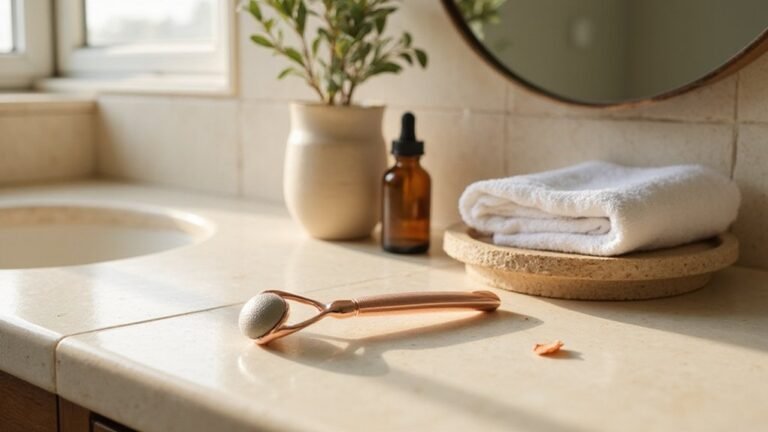
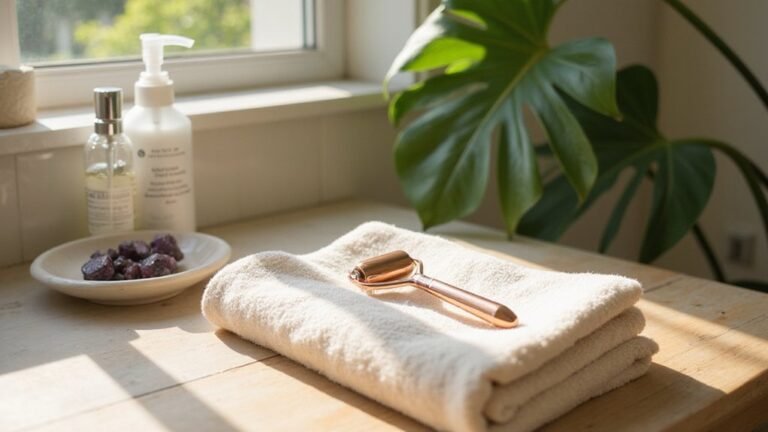
The micro derma roller is easy to use, it is a popular skincare tool for anyone

THERAPEUTIC SCAR GEL: Our DERMA E Scar Gel helps in removing the scar on the face and body. Clinically proven to improve scar texture and overall appearance significantly, this refreshing scar gel softens, smooths and encourages healthy-looking skin
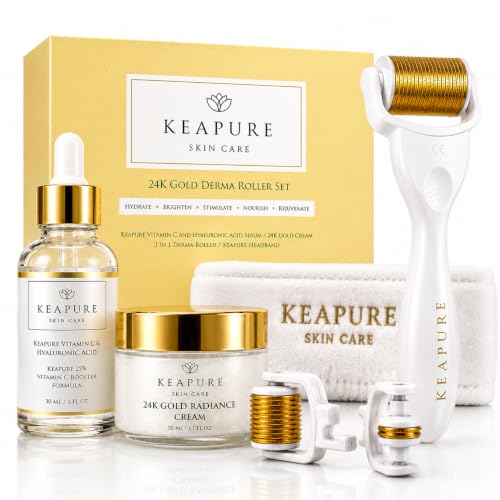
✔️𝐃𝐄𝐑𝐌𝐀 𝐑𝐎𝐋𝐋𝐄𝐑 𝐅𝐀𝐂𝐄 & 𝐁𝐎𝐃𝐘 𝐊𝐈𝐓 𝐀𝐋𝐋 𝐈𝐍 𝐎𝐍𝐄: Derma Roller Kit brings Microneedle Roller, 30gm cream, Three 0.3mm roller heads, vitamin C & hyaluronic acid serum, and spa headband. It is ideal to use at home to meet your different needs. Use our unique derma roller kit correctly and regularly at home.
How Many Microneedling Sessions Are Needed for Real Results?
Most people need between 3 and 6 microneedling treatments to see visible, lasting results. Typically, noticeable improvements emerge after just 2 to 3 sessions, but the total number depends on your specific skin condition and goals. For skin rejuvenation, aiming for around 3 to 4 sessions is common, while addressing deeper wrinkles or scars may require 6 or more treatments. Treatments are usually spaced 4 to 6 weeks apart to allow collagen production to build effectively. After completing the initial series, maintaining results might involve sessions every 6 to 12 months, since outcomes tend to fade over time. Keep in mind that your skin continues to improve for months following your last treatment, making patience essential. Choosing a quality derma roller with appropriate needle length is crucial for safe and effective treatment.

The derma roller is easy to use, beginner-friendly, it is a skincare tool for home use

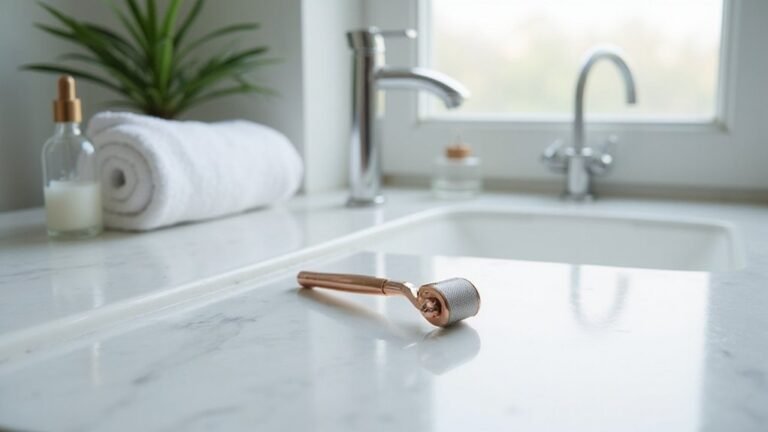
Our 0.25mm Derma Roller is very simple in using at home.
The micro needle roller is easy to use
Professional vs. At-Home: Which Microneedling Method Works Better?
Professional microneedling provides significantly deeper skin improvements than at-home rollers. Professional treatments use longer, medical-grade needles that penetrate the skin more effectively, making them ideal for substantial concerns like acne scars and deep wrinkles. These sessions induce stronger collagen production, leading to more noticeable and lasting results. For those also caring for new tattoos, using a medical-grade adhesive bandage can help protect the skin during healing.
At-home rollers typically feature needles between 0.2 and 0.5 mm in length. They can help improve surface texture and enhance product absorption but are limited in their ability to target deeper skin issues. Because of their shorter needles, at-home devices are better suited for mild, surface-level improvements rather than significant correction.
Professional treatments do require a higher investment and involve some downtime, but they deliver more dramatic results. At-home rollers are more convenient and affordable, requiring consistent, frequent use to maintain even mild improvements. However, improper technique or excessive pressure can cause irritation or damage. For deep corrections like scars or deep wrinkles, professional microneedling remains your best option. For gentle, maintenance-level use, at-home devices can help refine surface skin but won’t replace professional results.
Is Microneedling Effective for Hair Loss and Regrowth?
Microneedling is quite effective for hair loss and regrowth, especially when combined with other treatments. For androgenetic alopecia, a randomized study shows that using a dermaroller together with minoxidil significantly outperforms minoxidil alone—82% of patients on the combo experienced more than 50% improvement, compared to just 4.5% with minoxidil only. You can expect noticeable hair regrowth by six weeks with microneedling, while topical minoxidil typically shows results around ten weeks. Treatments that pair microneedling with proven therapies usually yield better results, but microneedling alone can still increase overall hair count.
For alopecia areata, smaller studies suggest it can help, but the evidence is less conclusive. Some trials show no significant effects, while others report improvements in hair diameter and density. Overall, pairing microneedling with established treatments like minoxidil provides the best chance of success.
Do Microneedling Results Last Long-Term?
Microneedling results generally last between 3 to 6 months without follow-up treatments. Collagen remodeling initiated by the procedure continues for several weeks, often peaking at around 6 to 12 weeks after each session. However, the natural aging process and exposure to the sun gradually diminish these benefits over time. To maintain and prolong your improvements, it’s recommended to schedule maintenance sessions every 6 to 12 months. Acne scars tend to show more durable results, often lasting a year or longer, while fine lines typically require more frequent retreatment to sustain progress. Deep, professional microneedling treatments tend to produce longer-lasting results compared to at-home options. Ultimately, your ongoing commitment to aftercare, sun protection, and regular sessions determines how long your improved skin appearance lasts. For comparison, the visibility of white ink tattoos on dark skin similarly depends on consistent aftercare and professional application for lasting clarity. Just as with tape extensions, consistent aftercare routines are essential to maximize the lifespan of your results. Reported benefits such as improved skin texture can also be enhanced by combining microneedling with topical serums.
What Are the Side Effects and How Safe Is Microneedling?
Microneedling is generally safe, but you should be aware of potential side effects. Common reactions include redness, swelling, and tenderness, which usually resolve within a week. You might also experience dryness, flaking, or temporary irritation on the treated skin. Roller-type devices tend to carry higher risks, such as increased edema, bleeding, tram-track scarring, and post-inflammatory hyperpigmentation—especially if used at home due to poor technique. Upgrading to pen or stamp devices significantly reduces these risks. Radiofrequency microneedling offers another safe alternative by lowering the chances of bleeding and discoloration. However, home devices lack adjustable depth and speed functions, which are essential for controlling treatment precision and preventing skin damage. It is also worth noting that similar to LED masks, microneedling requires careful consideration of individual skin sensitivity to avoid adverse reactions. For example, after any skin trauma, gentle removal of debris and proper post-care is crucial to prevent complications.
Serious but less common complications include infections, scarring, and changes in pigmentation. These are more likely if you have darker skin or active acne. Metal allergies can also trigger adverse reactions or worsen skin responses. Overall, your safety depends on strict sterilization, avoiding open wounds during treatment, and seeking care from qualified professionals. Treatments in controlled clinical settings help minimize risks and promote effective healing.