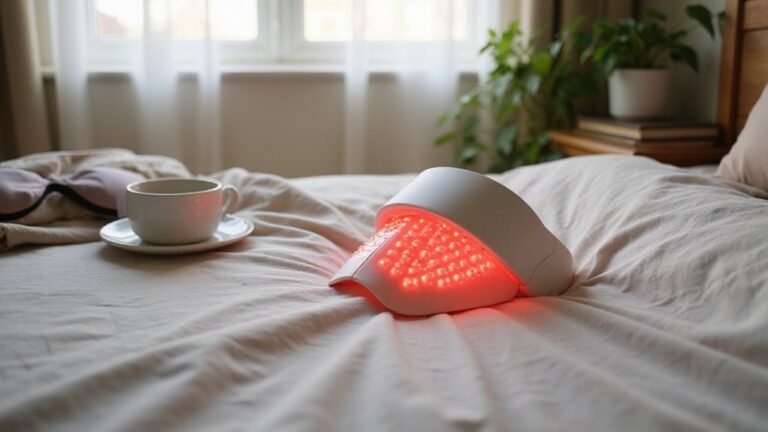
How to Use a Derma Roller for Lash Growth
If you’ve wondered how to boost your lash growth safely, a derma roller might have caught your eye. Using a tiny device with fine needles, some promote it as a way to stimulate lash follicles, but it’s important to know how to do it correctly.
Here’s what you need to know to get started and what precautions to keep in mind.
Can You Really Use a Derma Roller for Lash Growth?
Using a derma roller for lash growth is not supported by strong scientific evidence. The majority of research focuses on scalp hair, often involving microneedling combined with minoxidil, not eyelashes. Any claims that it promotes lash growth are extrapolated from scalp studies and remain theoretical for the delicate eyelid area. Because the eyelid’s thin tissue makes it highly susceptible to irritation, bleeding, and infection from microneedling, the potential risks often outweigh the unproven benefits. The device uses tiny needles to create micro-injuries that stimulate collagen. Safety should always come first. Remember, results seen on the scalp do not necessarily translate to the lash line. Before trying this technique, consider whether the possible benefits justify the real risks involved. Understanding how tattoo ink is made reveals that microneedling devices operate on a similar principle of controlled skin penetration to deliver pigment. The composition of these inks often includes pigment carriers that help distribute color evenly through the dermis during the tattooing process.
Why 0.25mm Is the Only Safe Needle Size for Lash Microneedling
0.25mm is the safest needle size for lash microneedling because it stays in the superficial epidermis, reducing the risk of tissue trauma. Since your lash line sits on delicate, thin skin, deeper needles like 0.5mm or 1.0mm can cause unnecessary damage, increase bleeding, and even risk reaching the bone. Staying shallow is essential for cosmetic safety, prioritizing risk management over aggressive stimulation. The 0.25mm needle provides a balance by enhancing product absorption without causing discomfort or harm. Although it may not significantly stimulate hair follicles compared to stronger treatments, it’s the only practical and safe option for at-home use near your eyes, where there are no established guidelines for longer needles. For context, tape-in extensions are a popular alternative for adding volume without direct microneedling risks. A proper beginner-friendly walkthrough ensures you sterilize the tool and skin beforehand to minimize infection risk. Greater depths are unnecessary and pose potential dangers in this sensitive area. For context, proper machine setup techniques from professional tattooing emphasize consistent depth control to avoid injury, a principle equally critical when microneedling near the eye.

Our Roller is very simple in using at home.

Versatile Beauty Tool - Designed for personal care routines as part of a regular beauty regimen.

The 0.25mm derma roller is great for home use, it is easy to use to meet your different needs.
How to Sanitize a Derma Roller for Eye-Area Use
To sanitize your derma roller for eye-area use, start by rinsing it with water to remove any visible residue. Then, fully submerge the roller head in isopropyl alcohol at a concentration of 70% to 91% for 10 to 15 minutes. This ensures effective disinfection without damaging the needles, which could happen with higher alcohol concentrations. Avoid wiping the roller with a towel, as fibers can stick to the needles. Instead, let it air-dry completely with the case open to prevent recontamination. Do not share your roller with anyone, even after cleaning. Always wash your hands and face before handling it, and inspect the needles carefully. Bent needles can cause irritation near your lash line. Store the dry, disinfected roller in its clean case to keep it free from dust and bacteria until your next session. For even greater hygiene, some experts recommend disinfecting the roller head with liquid oxygen instead of alcohol for eye-area use. Just like a red light mask, your derma roller’s lifespan depends on consistent care to keep needles sharp and effective. For securing the hair away from the eye area before rolling, you can follow techniques similar to securing long hair in a wig cap to keep strands out of the way.

Perfect Balance between Effectiveness and Safety: Lower 70% concentration offers enhanced penetration for thorough cleaning, yet remains less aggressive than higher concentrations—ideal for ensuring prolonged contact without compromising sensitive materials or surfaces.

One 32 fluid ounce bottle of first aid antiseptic

How to Roll Near Your Lash Line Without Hurting Yourself
When rolling near your lash line, keep a safe distance of at least 1 centimeter away from your eyelid and lash line. This prevents injury and protects the delicate under-eye skin. Use light pressure—let the roller’s weight do the work and avoid forcing it. Make short, controlled passes, lifting and resetting the roller between each movement. Always direct the motion away from your eye, not toward it, to minimize risk. Perform this technique with careful adherence to gentle, controlled motions to prevent unnecessary trauma to the area.
If you experience any unusual pain, tearing, or notice more than faint pinkness, stop immediately. These are signs you might be irritating or injuring sensitive tissue. Limit the number of passes to 2–3 per direction to avoid overworking one spot. Slow, gentle movements help stimulate growth without risking harm, ensuring your procedure is both safe and effective.

The micro derma roller is easy to use, it is a popular skincare tool for anyone

✅ FOR HAIR AND SKIN CARE: Designed with 0.25 mm ultra-fine needles for even and precise application, suitable for scalp and facial use.
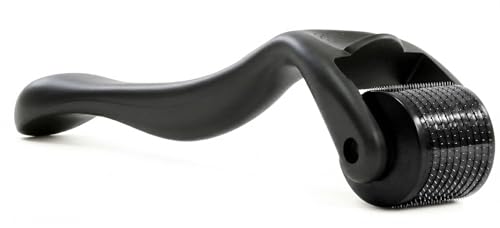
Titanium needles designed for smooth and comfortable rolling.
How Often to Roll and What to Do Afterward
Rolling once or twice weekly with 0.25 mm needles is recommended, allowing 24 to 48 hours for your skin to recover between sessions. Do not use 0.5 mm rollers every week; instead, space these sessions 10 to 14 days apart. For 1.0 mm needles, wait three to four weeks before rolling again. More frequent sessions won’t speed up lash growth and can increase the risk of skin irritation. These schedules are based on safe frequency guidelines that account for different needle sizes and recovery times. Just as with top lace wigs with glue, selecting the correct application method and recovery time is key to achieving the best results without damaging your skin or hair. Using 0.25 mm needles consistently is ideal for a gentle weekly routine that supports lash growth without excessive downtime.
After each session, delay applying any topical products for at least 24 hours to keep your skin safe. Once that period passes, you can use soothing ingredients like hyaluronic acid or peptides to support recovery. Clean your roller weekly with alcohol and let it air dry to maintain hygiene. Keep an eye out for redness or tenderness after rolling; these signs indicate your skin needs more healing time before the next session. Following these intervals will help promote healthy lash growth without overdoing it.

192 Titanium Micro Needles High-quality derma roller with 192 precision titanium needles (0.25mm) designed for smooth and comfortable rolling across the skin.

Beige Finish - Clean, modern, and effortlessly refined.

Designed with 0.25mm micro-needles for a gentle at-home skincare routine.
No Clinical Proof: Why Derma Rolling for Lashes Is Off-Label and High-Risk
There is no clinical proof that derma rolling for eyelash growth is safe or effective. Most evidence comes from scalp studies, where hair follicles are different in size, structure, and response. These studies do not prove that microneedling will work on eyelashes or that similar results apply. The FDA has not approved any derma roller for use around the eyes or for eyelash growth, making your use off-label. Operating without official safety or efficacy approval increases the risk of harm. Near the eye, accidental injury to the cornea, infections, and scarring become serious concerns. The skin on your scalp can tolerate minor injuries from microneedling, but eyelid skin is much thinner and more delicate. Without solid clinical evidence specific to eyelashes, you risk harming yourself without guaranteed results. The scalp studies cited as evidence cannot be extrapolated to the fragile, thin skin of the eyelid. To reduce risk, you must ensure your tools are sterilized and handled with care, just as you would when preparing homemade stencil paper for a precise project.