Not sure whether a derma roller or a microneedling pen is better for your skin?
If you’re aiming to improve deep scars or prefer precise control, a microneedling pen is usually the top choice. It offers adjustable needle depth and a vertical stamping motion that can be safer and more effective.
Keep reading to see which device suits your skin goals best.
Derma Roller vs Microneedling Pen: What’s the Difference?
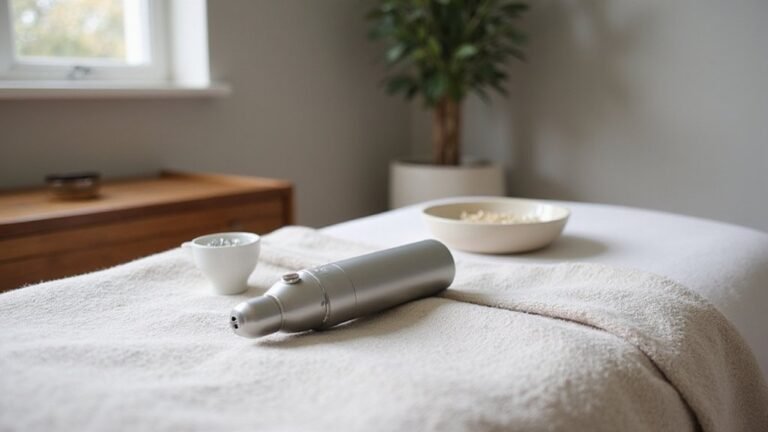
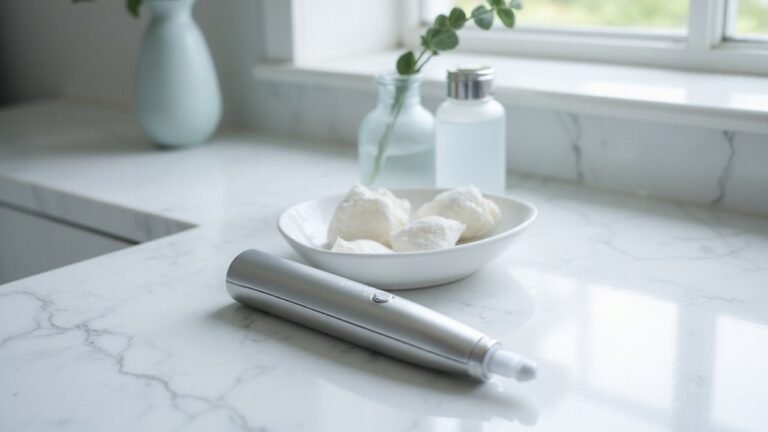
The key difference between derma rollers and microneedling pens is in their hardware and needle movement. A derma roller is a simple, non-electric tool with a rolling head that you manually drag across your skin. It relies on physical movement without any motor assistance. On the other hand, a microneedling pen is a motorized device equipped with a disposable needle cartridge at its tip. It uses a stamping motion driven by a small motor to puncture the skin uniformly. However, proper technique and needle angle matter more than vertical penetration for reducing trauma. Unlike a derma roller’s fixed needle array, a microneedling pen cartridge typically uses a grouping of multiple fine needles that are replaced with each session for consistent depth control.
Device maintenance is notably easier with a microneedling pen. After each session, you simply discard the single-use needle cartridge, which helps reduce the risk of infection. With a derma roller, you need to thoroughly clean and disinfect the reusable roller head, a process that’s often not well explained in user manuals. This hardware distinction influences not only hygiene but also the precision and control you have during treatment. Despite the higher initial cost, the microneedling pen offers a more refined and consistent experience, making it a popular choice for those seeking ease and safety in their skincare routine. A derma roller’s reliance on manual dragging can cause uneven pressure, whereas a microneedling pen’s stamping motion ensures more uniform collagen induction.

10pcs 16P M8, M7S Original Replaceable Refills


Microneedling Pen Cartridges for Dr pen M8,M7S, Easy-to-Use for Home Use (36 Pin,20PCS)
How Do the Needles Move: and Why Does It Matter?
When you drag a derma roller across your skin, the needles move in a rolling arc, creating dragging punctures that enter and exit at varying angles. This motion causes the needles to shift their entry and exit points, disrupting the stratum corneum more aggressively. The changing angles make it difficult to maintain a consistent depth with each pass, so you need to lift the device afterward to prevent tram-tracking, which are continuous lines of punctures that can weaken the skin rather than promote healthy healing. Using smaller needle sizes like 0.25 mm is recommended for at-home treatments to avoid skin damage. The pigments and carriers in professional inks are formulated for specific depths, which is why understanding tattoo ink composition matters when considering how any piercing tool interacts with the skin’s layers. This is similar to how tape-in extensions require precise placement to avoid stressing the hair follicle, just as needle depth must be controlled to avoid stressing the skin. For safe removal of such extensions, you must use a specially formulated bond remover rather than pulling them out.
In contrast, a microneedling pen’s needles move straight up and down, producing vertical microchannels with uniform depth. The design of the pen, combined with better ergonomics, allows you to control pressure more precisely and prevents side-to-side skating. Because the needles enter the skin perpendicularly, each puncture follows a more direct path, creating predictable and evenly spaced microchannels. The difference in motion and needle angle significantly impacts how the skin barrier is disrupted, affecting how effectively serums penetrate and how your skin responds during healing.
Does Needle Movement Actually Change Your Results?
Needle movement directly impacts your results. Controlled, vertical stamping with a dermaroller or automated device ensures each needle punctures at a 90-degree angle, creating clean microchannels. This precise motion minimizes lateral stress and reduces tissue trauma, leading to more predictable collagen induction. Additionally, this process initiates the skin’s natural healing response, promoting collagen synthesis to improve texture and tone. This careful technique mirrors the tattoo ink manufacturing process, where consistent particle size and purity are crucial for predictable results. For even more refined results, some practitioners recommend pairing this technique with diamond microdermabrasion tips to exfoliate the surface layer before treatment. Understanding the difference between rolling and stamping is essential, as stamping motion prevents tearing of the skin.
If you move too quickly or tilt the device, the needles enter at varied angles, causing uneven punctures and increased skin damage. Such inconsistent microchannel formation may result in microscopic tearing and uneven healing. Proper technique—like stamping with an electric pen—keeps needles perpendicular, helping you avoid unnecessary trauma and achieve safer, more even outcomes.
In short, your technique determines whether you get controlled, clean punctures or damaging drag. Moving steadily and maintaining a vertical angle is key to optimizing results and minimizing skin trauma.
Microneedling Depth vs Derma Roller: Can You Control It?
Microneedling pens provide precise control over needle depth, which can be set in 0.25 mm increments. This allows you to adjust the depth accurately for different facial areas and concerns. For example, you can opt for a shallower setting of 0.25 to 0.5 mm for delicate areas like the forehead, or go deeper up to 1.5 mm for more stubborn acne scars on the cheeks. Additionally, these pens offer better durability due to their motorized design and replaceable cartridge systems compared to standard rollers.
In contrast, a derma roller has a fixed needle length, and you cannot change it during a session. Its rolling motion also makes it harder to maintain consistent angle and pressure, reducing control over depth. This means you’re limited to the needle length chosen before treatment, which might not suit all zones equally well. Unlike a wig cap, which requires careful preparation and application technique for lasting results, these microneedling tools demand precise depth control to avoid skin damage.
Is Microneedling Safer for Home Use?
Home microneedling can be safe if you use proper technique, but your choice of device and hygiene habits are the most important factors. Stick to needles between 0.2 and 0.5 millimeters in length for mild skin texture improvements and better absorption of skincare products. These shallow depths reduce trauma to the skin and support faster healing, lowering the risk of infection.
Maintaining strict hygiene is essential. Disinfect needle heads with 70% isopropyl alcohol for at least five to ten minutes before and after each use. Never reuse cartridges, share your device, or treat active acne, rashes, or open wounds—doing so can spread bacteria and cause complications. Fixed-needle rollers are more likely to cause micro-tearing or tram-track scars, so stamping tools are considered safer for home use. Expect some redness and irritation afterward—these are normal—but using improper technique can turn a simple procedure into a serious hazard.

Easy to Use - The skincare tool is very easy to use, it is beginner-friendly for men and women
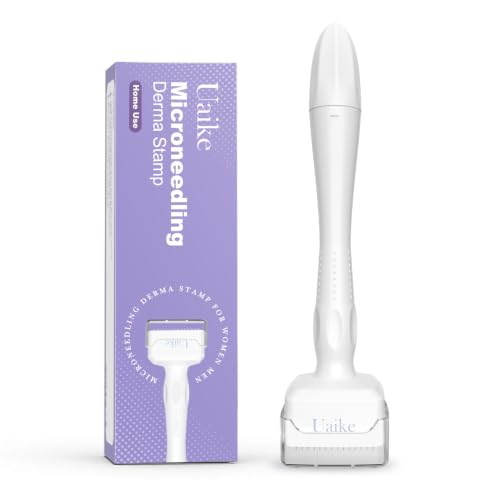
0.25mm needle length

0.25mm for Home Use - The needle length is 0.25mm. lt is friendly for beginners.
Microneedling vs Derma Roller: Real Results for Acne Scars
For scar reduction, a derma roller and professional microneedling device can both be effective, but the best choice depends on your scar type and treatment goals. Derma rollers are generally less invasive and can cover larger areas quickly, making them suitable for mild to moderate scars. They work by creating tiny punctures in the skin to stimulate collagen production, but they tend to cause more bleeding and require multiple sessions—typically three to six spaced four to six weeks apart. Professional devices, like dermapens or dermarollers used in clinics, offer more precision, especially for deeper or more stubborn scars such as icepick scars. They also tend to target deeper skin layers more effectively, often leading to better results for severe scars. A 2024 split-face study found no significant difference between derma rollers and dermapens overall, meaning your choice can be based on personal preference, budget, and scar depth. Both methods generally require patience since collagen remodeling can take several months. For shallower scars, either option is suitable, but for deeper scars, professional microneedling usually yields more noticeable improvements.
Downtime and Pain: Microneedling vs Derma Roller
Microneedling generally causes less pain but requires longer recovery time compared to derma rollers. Microneedling’s controlled vertical needle motion minimizes skin trauma, making the procedure more comfortable—often nearly painless. However, it can lead to up to five days of redness, swelling, and skin sensitivity. On the other hand, derma rollers involve dragging shallow needles across the skin at an angle, which can cause more irritation and discomfort during the treatment. The trade-off is that recovery is quicker; you might experience only 24 hours of mild redness before resuming your routine. This difference impacts your scheduling: microneedling demands planning for about a week of downtime, while a derma roller session can be done on a Friday and allow you to get back to normal by Monday. Carefully following the step-by-step instructions can help minimize mistakes and achieve better results. Both treatments require diligent aftercare, including sun protection and avoiding makeup, but the shorter healing time with derma rollers lets you restart your usual activities faster. Adjustable depth settings allow microneedling devices to target specific concerns more precisely than derma rollers. For those exploring at-home alternatives, understanding how to create tattoo stencils without transfer paper can similarly help reduce skin irritation during preparation. These red light masks also promote collagen production and healing, complementing the recovery process after either treatment. Your choice will depend on how much pain you’re willing to tolerate versus how quickly you want to recover.
Microneedling vs Derma Roller: Real Cost Difference
Professional microneedling generally costs between $100 and $700 per session, making it a significant upfront investment. In comparison, at-home derma rollers are priced much lower, typically ranging from $15 to $200. However, the low initial cost of a roller can be misleading because annual expenses for maintenance and supplies tend to add up. You may spend $120 to over $300 each year on roller replacements and serums, whereas a package of four professional sessions can total around $1,400. Devices like pen-style dermapens may have recurring cartridge fees of $5 to $10 per use, which can increase overall costs over time. Beyond price, professional treatments offer controlled technique, performed by clinicians who ensure safety and precise needle depth, which at-home tools cannot match. This service level difference often justifies the higher price tag. Over the course of a year or more, the costs of professional microneedling tend to outweigh the savings of DIY treatments, especially when factoring in the need to replace or upgrade equipment. At-home rollers also risk uneven needle depth that can lead to inconsistent results and potential skin damage. For those seeking a less permanent alternative, temporary tattoo ink offers a safe and cost-effective way to test designs without commitment.
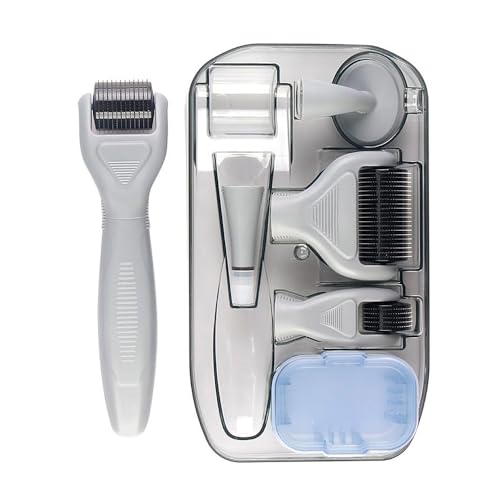
PROFESSIONAL SKINCARE AT HOME: Create a personalized skincare routine with one versatile 6-in-1 microneedling derma roller kit. Suitable for all skin types—including sensitive skin—and designed for beginners and experienced users alike to target face, body, beard, and scalp areas.

✔️𝐃𝐄𝐑𝐌𝐀 𝐑𝐎𝐋𝐋𝐄𝐑 𝐅𝐀𝐂𝐄 & 𝐁𝐎𝐃𝐘 𝐊𝐈𝐓 𝐀𝐋𝐋 𝐈𝐍 𝐎𝐍𝐄: Derma Roller Kit brings Microneedle Roller, 30gm cream, Three 0.3mm roller heads, vitamin C & hyaluronic acid serum, and spa headband. It is ideal to use at home to meet your different needs. Use our unique derma roller kit correctly and regularly at home.

ULTRA-WIDE ROLLER DESIGN: Cover more area with less effort using the ultra-wide derma roller. Unlike generic rollers that require multiple strokes, this roller ensures smoother results with a single stroke, making it the ideal device for scalp hair and the perfect micro needling roller for face and skin care.
So, Which One Should You Actually Buy?
If you’re targeting acne scars, deeper wrinkles, or pigmentation issues, a microneedling pen is the better choice. It offers adjustable needle depths and higher precision, making it more effective for long-term skin remodeling. Sessions tend to be shorter, but you’ll see stronger results over time, including improved hydration due to enhanced absorption of skincare products. Proper tape-in hair extension aftercare can also benefit from the same principle of enhanced product absorption when using a derma roller on the scalp. For those new to rolling, selecting a beginner-friendly wig cap ensures the device glides smoothly without snagging hair. Understanding how to build a tattoo machine can also inspire custom tool modifications for microneedling at home.
In contrast, a derma roller is suitable for mild surface concerns and routine maintenance. It’s a low-cost, at-home device that boosts serum absorption and skin hydration between professional treatments. Treatment sessions are quick, but the overall results are modest. Choose a microneedling pen for significant correction, and a derma roller for regular upkeep.
Always prioritize safety by selecting tools with precision features. They reduce the risk of irritation and infection, making your skincare routine both effective and safe.

[Glass-Skin Glow, Steady Every Glide] A balanced, lightweight wireless pen gives you smooth, controlled passes for even coverage across every contour. Cordless and rechargeable, it moves with you for reliable performance that builds over time.

The 0.24mm derma roller length is also a great start for newbies!

Safe 0.2996 mm Needle Length for Home Use – Designed with precise 0.2996 mm micro-tips that gently touch the skin surface, providing a mild cosmetic experience suitable for daily skincare routines.