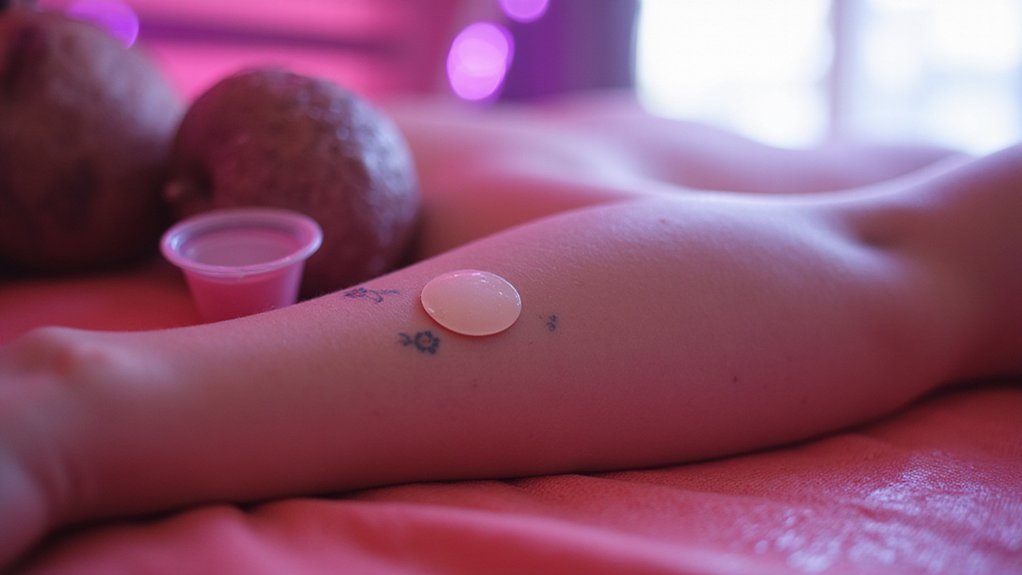
Thinking about hitting the tanning bed with a fresh tattoo? It’s best to wait until your skin is fully healed, which typically takes about 4 to 6 weeks, before exposing it to UV rays.
Once healed, there are simple steps you can take to protect your ink during tanning. Keep reading to learn how to keep your tattoo safe in a tanning bed.
Wait Until The Tattoo Is Fully Healed Before Tanning
You should wait at least 4 to 6 weeks for your tattoo to fully heal before considering tanning. During this period, your skin needs to show no signs of scabs, flaking, redness, or tenderness. It’s important to give your skin enough time to recover completely to avoid damaging the tattoo or causing infection. Even after the healing process, be aware that tanning beds still pose a risk of fading the tattoo’s ink. Using a derma roller on healed skin can create micro-channels that improve product absorption, but it should never be performed on a fresh tattoo. The pigment suspension process used in manufacturing ensures the ink remains stable in the skin, but UV exposure can still break down these particles over time. To protect your tattoo, cover it directly or use a mineral sunscreen with zinc oxide whenever you are exposed to UV rays. Respecting the healing timeline helps preserve the quality and vibrancy of your tattoo long-term.
How to Tell Your Tattoo Is Ready for a Tanning Bed
Your tattoo is ready for a tanning bed when it has fully healed and shows no signs of irritation or open areas. Run your fingers over the tattooed skin—if it feels smooth, non-tender, with no scabs, flakes, or peeling, you’re likely safe to proceed. Absence of redness or warmth indicates the inflammation has subsided. Even if the tattoo appears slightly dull, that’s normal and temporary. Do not rely solely on the amount of time passed; wait at least 6 to 8 weeks and verify the skin feels completely smooth to avoid irritation or color loss. Rushing into a tanning session before the tattoo has sealed increases the risk of fading and prolonged healing, and can cause discomfort. If tenderness, peeling, or open spots remain, it’s best to wait longer and consult your tattoo artist for confirmation to ensure your skin has fully recovered. Just as dermarolling relies on proper healing time to stimulate collagen without irritation, your tattoo needs the same patience to avoid pigment damage. Consider that microdermabrasion treatments similarly require fully healed skin before resurfacing to prevent complications. Understanding the chemical composition of your ink can also help you predict how it will react to UV exposure, as some pigments fade or shift color under intense light.
Slather Broad-Spectrum SPF 30+ Directly Over the Tattoo
Once your tattoo is fully healed and feels smooth to the touch, it’s essential to protect it properly from UV damage. Apply a broad-spectrum SPF 30+ sunscreen directly over the tattoo. This type of sunscreen blocks both UVA and UVB rays, which can cause fading of the ink and skin damage if left unprotected. Use a generous amount—not a thin layer—covering the entire tattoo evenly with circular motions to create an invisible barrier. For larger areas, aim for at least one ounce of sunscreen. Reapply every 80 minutes to two hours, especially after sweating or swimming, to maintain protection. Never apply sunscreen to a fresh, unhealed tattoo—only use it once the skin is fully healed. Proper sun protection will safeguard your artwork and support your skin’s health over time. You can also choose a mineral formula with zinc oxide for clean, effective protection that soothes and nourishes the skin. To ensure even coverage and avoid missing spots, consider using a magnifying mirror with a lamp to inspect the tattooed area closely. Just as hair extensions require careful maintenance to preserve their appearance, your tattoo demands consistent sun protection to retain its vibrant ink. For beginners, selecting the right wig cap is equally important for a secure and comfortable fit.
Throw a Cloth or Bandage Over the Tattoo During Sessions
During tanning sessions, you can throw a breathable cloth, medical tape, or a tattoo-specific bandage over the tattooed area to create a physical barrier against UV rays. This method helps prioritize your tattoo’s healing by blocking direct sunlight while still allowing airflow. Be sure to cut the fabric precisely to fit the shape of your tattoo so surrounding skin can tan evenly. Green soap tattoo is often used to clean the area before covering, but the barrier itself remains the key protection. Secure it with medical tape, but always patch-test the adhesive beforehand to prevent any skin reactions. Avoid using towels, as their loose weave offers poor UV protection and they tend to shift, exposing your ink. For small tattoos, socks or sweatbands work well, while larger tattoos benefit from a rashguard. Keep in mind that covering your tattoo does not completely block UV rays, as some materials let light through, so this method should be used only when skipping a session isn’t possible. Prioritize your tattoo’s healing and take all necessary precautions to protect it. For a similar approach to covering skin without adhesive irritation, consider using tape-in hair extensions for secure but gentle placement. For removing any adhesive residue left on your skin, follow safe removal steps similar to those used for lace front wig glue.
Moisturize Before and After Every Tanning Bed Session
Moisturizing before and after every tanning bed session is essential to maintaining your tattoo’s clarity. UV exposure dries out skin, which can cause ink to fade or blur over time. Without proper hydration, your tattoo ink can lose its sharpness and vibrancy. Using a microcurrent device can help improve skin tone and circulation around the tattooed area, supporting overall skin health.
Before tanning, apply a fragrance-free, tattoo-friendly moisturizer with SPF 30 or higher directly over your tattoo. This creates a protective barrier that minimizes UV damage while keeping your skin hydrated. Avoid products containing alcohol, as they can dry out your skin and speed up fading.
After your session, immediately lock in moisture with an aloe-based or shea butter lotion. Hydrated skin heals faster from UV exposure, helping your tattoo stay vibrant and well-defined. Steer clear of heavily scented lotions, since they can irritate sensitive, tattooed skin. Consistent hydration, both on tanning days and afterward, is key to preventing ink blurring and keeping your artwork crisp. For maximum protection, consider using a saniderm bandage to shield the tattoo from direct UV exposure during the session.
What’s the Safest Tanning Bed Duration for a Tattoo?
The safest tanning bed duration for a tattoo is zero until your ink is fully healed. This means waiting at least 4 to 6 weeks, or longer for larger or more intricate designs. Only once the tattoo has completely healed without scabbing, flaking, or redness should you consider light exposure, and even then, only for very short sessions. Starting with the minimum time your salon allows reduces the risk of damaging your tattoo. For example, top blue ink tattoos often require careful aftercare to maintain their vibrancy and prevent premature fading.
UV rays don’t just affect the surface; they penetrate deep into the skin. This penetration accelerates tattoo color fading and can cause skin damage. Even brief tanning sessions contribute to ink breakdown over time, especially for light or detailed tattoos. Since this damage is often irreversible, it’s best to avoid tanning beds altogether until your tattoo has healed completely.
Skip the Bed: Use a Spray Tan for Zero UV Risk
Because spray tanning uses no UV rays, it won’t cause the permanent fading that tanning beds do. This makes it the safest option for maintaining tattoo color. The spray tan solution penetrates the epidermis, while your tattoo ink stays in the dermis, so they don’t directly interact. You’ll achieve a bronzed appearance without risking UV damage or fading from the session itself. Using unscented lotions for tattoo aftercare can also help maintain vibrancy during the healing process. For those who create stencils before tattooing, a thermal printer can ensure precise placement without exposing the skin to any heat-related risks. Avoid picking at adhesive residue left on the skin after removal, as it can irritate a healing tattoo.
However, you should wait until your tattoo is fully healed—usually about four to six weeks—before applying a spray tan. Applying it when your tattoo is still healing can cause inflammation or infection, which may affect the ink or skin. Once healed, the spray tan won’t permanently change your tattoo’s color. Darker tattoos tend to show little to no change, and any temporary tinting will fade as the tan wears off.
Choosing a spray tan over a tanning bed is a smart move if you want a safe, UV-free way to add color without risking damage or fading to your tattoo.