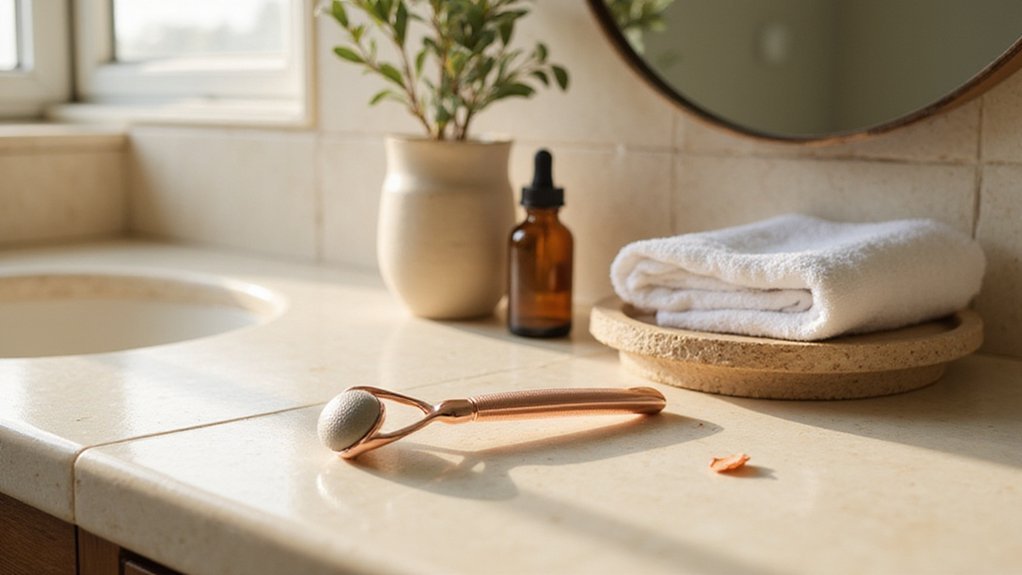
Unlocking the Top Advantages of a Derma Roller
Wondering how you can improve your skin without expensive treatments? A derma roller might be your new best friend. It works by stimulating your skin’s natural collagen and elastin production through tiny micro-injuries.
This process helps fade scars, shrink pores, and smooth rough texture over time. Keep reading to find out how this simple tool can transform your routine.
How a Derma Roller Rebuilds Collagen and Elastin
A derma roller rebuilds collagen and elastin by creating controlled micro-injuries that activate your skin’s natural healing process. These tiny punctures prompt the release of platelets and inflammatory mediators, which draw fibroblasts—essential cells responsible for collagen and elastin production—to the treated areas. The fibroblasts then increase collagen synthesis, primarily producing new types I and III, while also promoting elastin regeneration in the papillary dermis. This regenerative cycle takes several weeks; during a 4 to 6-week remodeling phase, the newly formed collagen reorganizes, with type III collagen gradually converting into stronger and more resilient type I. Clinical studies involving around 480 patients indicate that this process can lead to a 60 to 80 percent improvement in collagen and elastin fibers. As a result, your skin becomes firmer due to increased collagen density and more elastic because of improved elastin structure—offering a genuine biological repair beyond simple surface-level treatment. This works by relying on the derma roller’s fine microneedles to puncture the stratum corneum and stimulate the dermis. The healing response also relies on the sterile manufacturing of the device to prevent contamination, similar to how tattoo ink is processed to ensure safety and consistency. Furthermore, the controlled depth of these microneedles ensures the treatment remains within the dermis, where pigment particles from professional inks are typically deposited, reinforcing the importance of precision in both cosmetic procedures.
Fading Acne Scars and Stretch Marks With Microneedling
Microneedling with derma rollers is effective at fading depressed acne scars and stretch marks. You can expect noticeable improvements after 3 to 5 sessions, spaced 2 to 4 weeks apart. The tiny punctures created during treatment stimulate your skin’s wound-healing process, breaking down old scar tissue and encouraging new collagen production beneath the surface. This process helps improve the appearance of boxcar and rolling scars by remodeling the skin, making scars less deep and more blended with surrounding tissue. It also reduces the visibility of stretch marks by repairing damaged skin and restoring elasticity. Additionally, microneedling can target sun damage and age spots, as increased collagen helps plump and even out your skin tone. Maintaining consistent aftercare is essential for maximizing results, just as with tape-in extensions that require careful upkeep for lasting performance. Studies report that scar fading ranges from 50% to 70%, and the procedure is safe for all skin tones with minimal downtime. Keep in mind, microneedling is most effective for depressed scars rather than raised ones. For best results, ensure your derma roller is secured with high-quality double-sided tape to maintain stability and hygiene during use.

THERAPEUTIC SCAR GEL: Our DERMA E Scar Gel helps in removing the scar on the face and body. Clinically proven to improve scar texture and overall appearance significantly, this refreshing scar gel softens, smooths and encourages healthy-looking skin

Derma E Scar Gel Panthenol

For Home Use Only - Easy and Convenient to Use
Smoothing Rough Texture and Shrinking Enlarged Pores
Rolling a derma roller over rough, bumpy skin induces controlled micro-injuries that activate your skin’s natural wound-healing response. This process increases collagen and elastin production, which helps refine skin texture. As collagen rebuilds, it offers internal support to the tissue around your pores, making them appear smaller even though their actual size doesn’t change. The skin’s surface becomes smoother as structural support improves and fills in uneven areas. As noted in the source, timelines for results vary, with improvements becoming visible after several weekly sessions rather than overnight. This technique works differently than homemade tattoo machines, which create permanent marks rather than textural improvements.
Keep in mind, these changes happen gradually and build over time. You can expect to see a more refined, even complexion after several weekly sessions, not immediately. Overdoing it can cause irritation or scarring, so always keep sessions brief and allow your skin time to recover. The result is a less bumpy, more uniform skin surface where pores seem less prominent due to enhanced internal support, all powered by your body’s own healing mechanisms.

Start Your Beard Journey - No Viking Beard DNA? No problem! Begin your bearded adventure with our derma roller, the best tool for beard and skin care
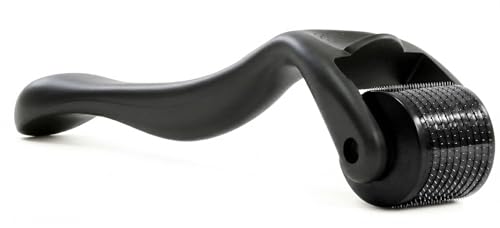
Titanium needles designed for smooth and comfortable rolling.

✔️𝐃𝐄𝐑𝐌𝐀 𝐑𝐎𝐋𝐋𝐄𝐑 𝐅𝐀𝐂𝐄 & 𝐁𝐎𝐃𝐘 𝐊𝐈𝐓 𝐀𝐋𝐋 𝐈𝐍 𝐎𝐍𝐄: Derma Roller Kit brings Microneedle Roller, 30gm cream, Three 0.3mm roller heads, vitamin C & hyaluronic acid serum, and spa headband. It is ideal to use at home to meet your different needs. Use our unique derma roller kit correctly and regularly at home.
10x Deeper Serum Absorption: Why Microchannels Matter
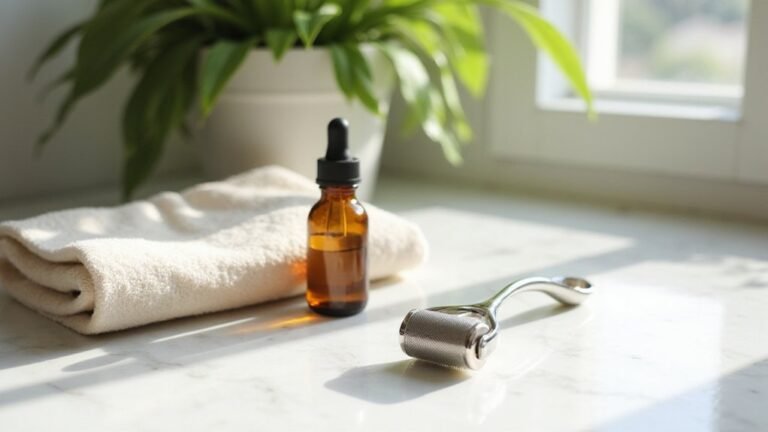
Applying serum immediately after derma rolling significantly enhances absorption because the microchannels created by the needles provide direct pathways through the stratum corneum, the skin’s outermost barrier. These tiny channels allow active ingredients to penetrate much deeper—up to 10 times more than topical application alone. Since the microchannels only stay open for about 15 to 45 minutes with 0.25 mm needles, timing is critical. Applying your serum right after rolling ensures you harness this window of increased permeability, maximizing ingredient absorption and efficacy. To get the best results, choose lightweight, small-molecule actives like niacinamide and vitamin C, which can pass through these channels easily, and hydrate effectively with lightweight hyaluronic acid fragments. Similar to how removing adhesive from lace requires careful technique to avoid damage, rolling requires a clean, precise approach to prevent skin injury. For optimal results, ensure your equipment is as clean as sterile tattoo needles to prevent infection during the rolling process. Treat the post-rolling skin with the same gentle care you would use after any micro-trauma, avoiding harsh scrubs or acids for at least 24 hours to let the barrier recover.
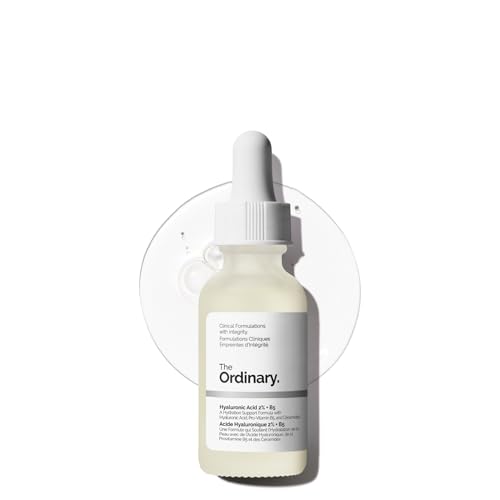
INSTANT HYDRATION: Provides immediate, long-lasting hydration for smoother, plumper, and healthier-looking skin.

GLIDE + RECOVERY IN ONE STEP — Dual-purpose microneedling serum works as a glide medium during your session and a recovery treatment afterward. No need for separate products — apply before needling for smooth glide, leave on after for active repair.

DEEP, LASTING HYDRATION: Hyaluronic acid serum that delivers deep hydration to plump the appearance of fine lines and leave skin looking smooth.
Fine Lines and Wrinkles: What Three Months of Dermarolling Does
Three months of consistent dermarolling can lead to noticeable improvements in fine lines and wrinkles. The tiny punctures created during the process stimulate collagen production, which helps rebuild the skin’s structural proteins, resulting in firmer, more elastic skin. Over time, you’ll see fine lines around your eyes and mouth gradually fill in as the skin becomes thicker. Texture also improves, with smoother surface feel and less pronounced wrinkles, even before they fully fade. It’s important to protect your skin from UV exposure, as new collagen is vulnerable to sun damage. Patience and regularity are key—most people begin to see changes within four to eight weeks, with the most significant results at around three months. Consistent treatment sessions amplify these outcomes by maintaining the collagen-stimulating cycle, ensuring steady progress. Keep up the weekly routine, shield your skin from the sun, and expect those stubborn lines to soften naturally without resorting to harsh chemicals or laser treatments. For optimal results, ensure your skin is clean and dry before starting, similar to how proper preparation prevents lifting with tape-in hair extensions. This protective step is especially critical if you later consider cosmetic enhancements like UV ink tattoos, which require healthy, sun-resilient skin to heal properly and avoid complications.

✅ FOR HAIR AND SKIN CARE: Designed with 0.25 mm ultra-fine needles for even and precise application, suitable for scalp and facial use.

Versatile Beauty Tool - Designed for personal care routines as part of a regular beauty regimen.

Multi-purpose: Our microneedle roller can be applied to face, hair, beard, he is not only a face roller, but also can be used as a scalp roller, or beard roller! for a more comprehensive beauty routine.
Why a Derma Roller Is a Cheap, Self-Administered Alternative to Laser
A derma roller costs as little as $15, making it a highly affordable alternative to laser treatments. This price includes the device itself, which can be used repeatedly to stimulate collagen production and improve skin texture. Unlike laser sessions that can cost hundreds or thousands of dollars each, a one-time investment in a quality roller provides ongoing benefits at a fraction of the cost. You can perform treatments at home, avoiding clinic fees, travel expenses, and scheduling hassles. With minimal supplies and a simple technique, you get comparable skin rejuvenation results without breaking the bank. However, for deep acne scars or pronounced skin issues, laser treatments are often preferable and yield quicker, more dramatic improvements. Keep in mind that the results take time and typically require multiple sessions to notice visible improvements in skin texture. Unlike high-frequency wand therapy, which uses electrical currents for skin benefits, the derma roller relies on mechanical microneedling to stimulate collagen production and enhance skin texture. Unlike tattoo needles, which use specific grouped configurations of multiple needles for different ink deposit patterns, the derma roller’s single needle array is designed for uniform skin punctures.