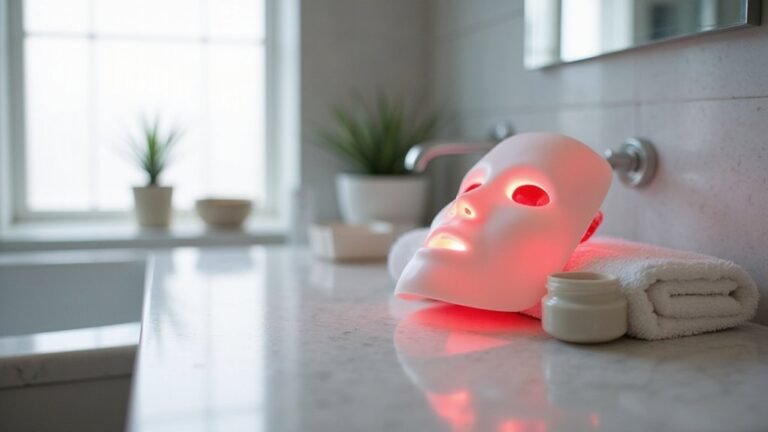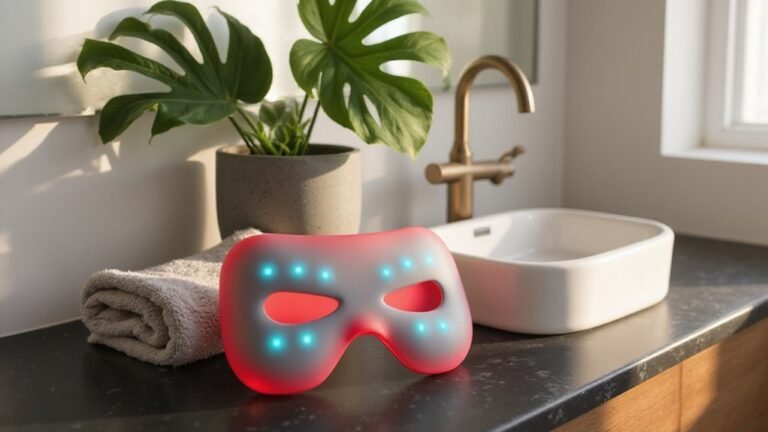
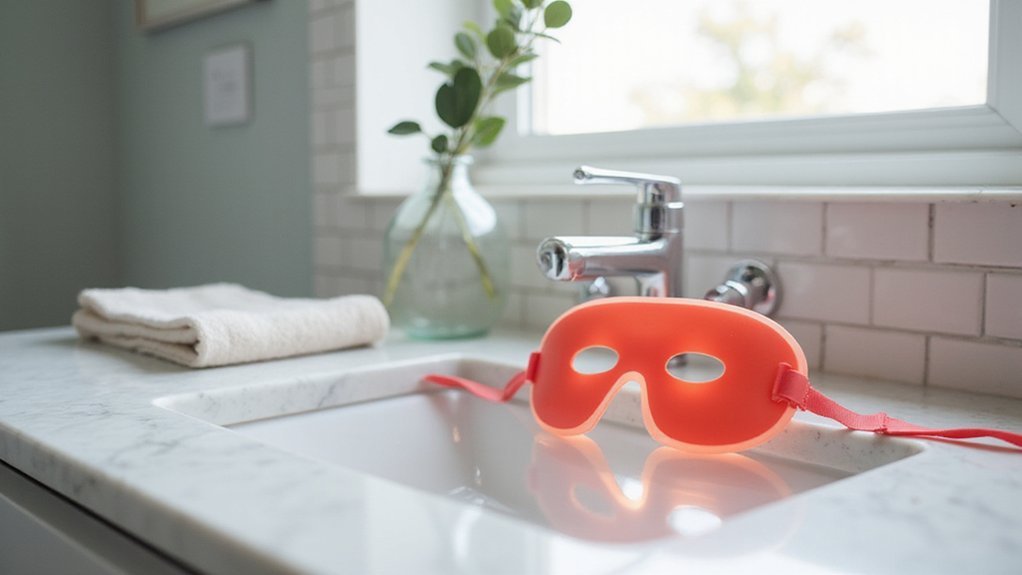
Wondering if a red light mask can really improve your skin? Many people hope for quick fixes, but these devices typically offer subtle, gradual results.
With consistent use over several weeks, they may boost collagen, reduce inflammation, soften fine lines, or clear acne. Here’s what you need to know before deciding if it’s worth it.
Do Red Light Masks Actually Work? The Modest, Gradual Truth
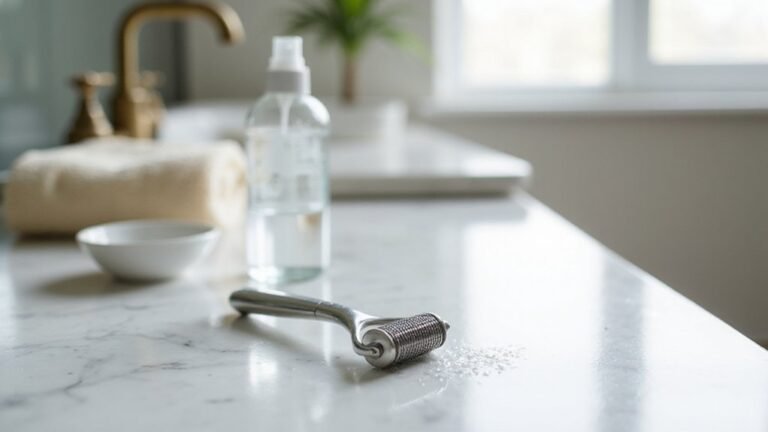
Red light masks can deliver some benefits, but don’t expect sudden or dramatic results. You might notice subtle improvements in fine lines, skin texture, and redness over time. These changes tend to be slow and incremental rather than immediate. Results depend heavily on consistent use, the correct wavelength of light, and the durability of the device. Cheaper masks often lack the quality needed for noticeable effects, so investing in a higher-quality device is important. However, unlike a derma roller that creates micro-injuries to stimulate collagen, red light therapy works through a entirely non-invasive photobiomodulation process. To see meaningful results, you should commit to using the mask regularly for several months. Most people need to do treatments several times a week, gradually building up the skin’s response. It’s also wise to start slowly if you have sensitive skin, as red light therapy can sometimes cause irritation. Keep in mind, these masks are best viewed as supplementary rather than replacements for professional treatments or stronger skincare products. The improvements are real but modest for most users. Just as with tape hair extensions, the durability of the device directly influences how long you can rely on it for consistent results.
How Does Red Light Therapy Boost Collagen and Reduce Inflammation?
Red light therapy boosts collagen production and reduces inflammation through two main biological processes. When the red and near-infrared light penetrate your skin, they activate cytochrome c oxidase within your mitochondria. This activation increases ATP production, providing your cells with more energy to perform their functions. As a result, fibroblasts—the cells responsible for creating collagen—become more active. Studies show that this stimulation leads to increased expression of collagen-related genes such as COL1A1 and COL3A1, which in turn enhances the synthesis of procollagen type I. Consequently, collagen density can improve significantly—some trials report increases of up to 31%. For those using tools like a derma roller, needle size changes the schedule for safe and effective treatment. Maintaining proper hygiene is also crucial, similar to how securing tape is essential for extension longevity. Additionally, consistent usage over several weeks is key to seeing visible results.
Meanwhile, the energy boost from mitochondrial activation also helps calm inflammation by improving blood circulation and nutrient delivery to your tissues. This process reduces inflammatory signaling within your skin, encouraging gradual and natural remodeling of the extracellular matrix. Instead of an overnight fix, you get sustained, long-term improvements that support healthier, more youthful skin.
Red Light Therapy for Wrinkles: Does It Really Smooth Fine Lines?
Red light therapy can indeed help smooth fine lines, though results are gradual and vary from person to person. Studies show a 34.7% reduction in crow’s feet depth after around 8 weeks of consistent use, and a 26.4% increase in dermal density—these numbers reflect improvements in skin firmness and elasticity. You’ll notice subtle enhancements in skin texture over time, with the best outcomes seen in fine lines rather than deep wrinkles. The mechanism behind this involves stimulating mitochondrial activity to boost cellular repair and collagen production. Many users also find that improved blood circulation from the light helps accelerate the skin’s natural healing process.
Using wavelengths between 630 and 660 nanometers is most effective for this purpose. To get optimal results, you should undergo regular sessions, typically a few times a week, over several weeks or months. While in-office treatments may produce faster or more noticeable effects, at-home devices can still support skin improvement if used consistently. Keep in mind that red light therapy is a supplementary treatment, best paired with other skincare ingredients like retinoids, and should be complemented by good sleep habits to support collagen repair. This careful process is comparable to how tattoo artists must precisely control pigment dispersion to ensure consistent color saturation and avoid uneven healing in the skin.

💡 Advanced 7-in-1 Full-Face Targeted Light Therapy Coverage: Combining red (660nm) and blue (465nm) light with 7 customizable modes, this LED mask is designed to address wrinkles, acne, and dull-looking skin while supporting overall skin renewal. Featuring 426 high-density LEDs, it delivers comprehensive face and neck coverage with optimized light targeting for different skin concerns. With consistent use, skin appears smoother, clearer, and more radiant.

【660nm Red Light—Professional-Grade Performance】This red light therapy mask for face and neck features advanced 660nm red light and 850nm near-infrared technology to help improve the appearance of skin elasticity, firmness, and radiance. Designed for consistent full-face and neck coverage, this LED face mask light therapy device targets visible signs of aging while supporting a smoother, healthier-looking complexion.
Can a Red Light Mask Help Clear Acne and Calm Breakouts?
A red light mask can effectively help clear acne and calm breakouts, especially when used alongside blue light therapy. These devices have been shown to reduce inflammatory lesions, with one 12-week study indicating a 24.4 percent improvement in acne severity. A meta-analysis of six trials confirmed that red light therapy significantly decreases both inflammatory and non-inflammatory breakouts compared to controls, with 86 percent of participants experiencing at least a one-grade improvement in severity. Red light works by calming inflammation in swollen pimples, leading to a reduction in redness and swelling. Similar to how roller derma devices yield modest results, red light therapy is not a miracle cure but offers safe, gradual benefits. Always follow gentle removal steps when handling any adhesive from your skin after treatment. However, just as with tape-in extensions, proper application and handling are essential to avoid unintended damage.
At-home red light masks are a cost-effective option, but it is important to consider your skin type. Those with sensitive skin should start with shorter sessions to avoid irritation. Results tend to be gradual; redness may calm within one to two weeks, and clearer skin can appear after four to twelve weeks of consistent use. Although the improvements are modest and not a cure-all, side effects are typically mild and temporary, making red light masks a safe addition to your skincare routine.
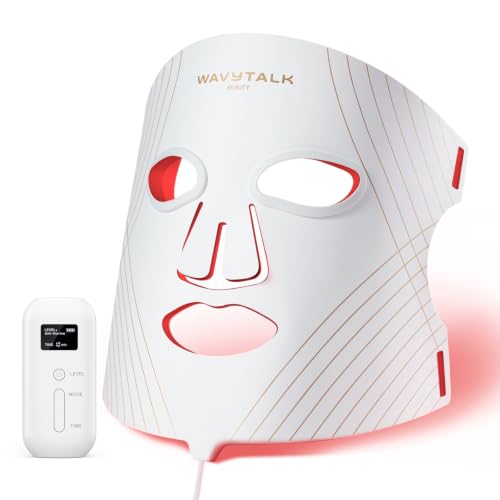
Clinically Proven Results in 28 Days: Achieve visible improvements backed by lab data with Wavytalk’s LED face mask light therapy: up to 81.5% fewer breakouts, 10.5% reduction in fine lines, and a 70.4% boost in skin radiance. Salon-grade technology delivers professional results at a fraction of the cost. Whether you want clearer, younger-looking skin or a brighter glow —Wavytalk’s red light therapy mask delivers.

【Clinical-Inspired Transformation for Acne 】 Powered by clinically studied light wavelengths, this red and blue light mask supports FDA-cleared inflammatory acne treatment and visible skin renewal. In about 2 weeks, skin looks fresher. After 4 weeks, forehead lines, smile lines, dull cheeks appear refined. With 8–12 weeks of continued use, acne-prone look calmer and smoother. Individual results may vary.

BETTER AGING TREATMENT: A 6-minute treatment utilizing Red & Infrared LEDs aimed at minimizing fine lines, and firming sagging skin*. *Results from 12-week clinical study with 60 subjects and 1x/day use in Better Aging treatment mode. Individual results may vary.
Does Red Light Therapy Work for Hair Growth? What the Research Says
Red light therapy can be effective for promoting hair regrowth, especially in cases of pattern hair loss. Clinical studies have shown promising results; for example, one trial observed a 35% increase in hair growth after 16 weeks of using a device with a 655 nm wavelength helmet. A review of seven double-blind trials confirmed a significant improvement in hair density compared to placebo treatments, with an SMD of 1.27. The biological action appears to involve stimulating hair follicles, encouraging the growth phase (anagen), and increasing blood flow through vasodilation. Main benefits of these devices also include improved skin texture and reduced inflammation, as noted in the comprehensive overview of red light therapy mask benefits. To maintain consistent treatment results, it is also important to follow a proper cleaning routine to prevent bacteria buildup on the mask. For users wearing a red light mask over a wig, choosing a cap wig made with breathable materials can improve comfort and treatment penetration. You are most likely to see noticeable benefits in cases of androgenetic alopecia, with visible improvements typically appearing between 16 and 26 weeks of consistent use. However, red light therapy is less effective on areas that are completely bald or for non-pattern types of hair loss.

✅ CLINICALLY PROVEN HAIR REGROWTH COMB – Our red light therapy comb delivers 630nm & 660nm dual wavelength LLLT directly to your scalp. In a 12-week clinical study, 93% of users reported reduced thinning and increased density. Perfect for men and women with hereditary hair loss, postpartum shedding, or age-related thinning.
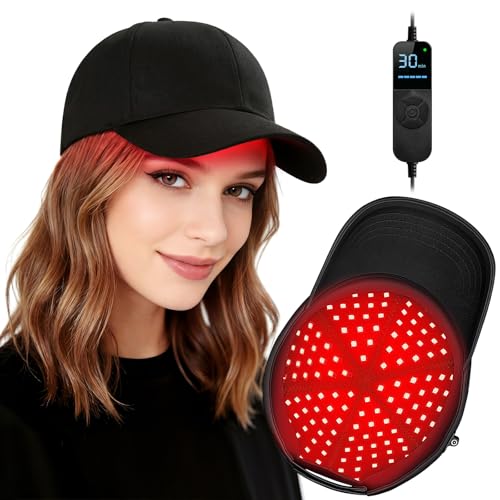
Laser cap is a dome-shaped low level laser therapy device that emits laser light designed to promote hair growth in women and men

Full Scalp Coverage - Experience advanced red light therapy with 282 lasers and LEDs designed to target your hairline, sides, and crown by stimulating hair follicles deep within the scalp. The iRestore Pro offers more comprehensive coverage than most laser caps, with a breathable fit built for comfort- ideal for consistent at-home treatments.
How Often Should You Use a Red Light Mask for Noticeable Results?
Using a red light mask consistently is essential for seeing noticeable results. Aim for 3 to 5 sessions per week, with each session lasting between 10 and 20 minutes. Follow the device instructions carefully, as overusing the mask won’t make your skin improve faster and could risk safety. Start with 2 to 3 sessions weekly to let your skin adapt, then increase to 4 or 5 sessions if you’re targeting anti-aging or skin tone improvements. You can expect initial improvements in skin brightness or texture after about 3 to 4 weeks. However, more significant changes such as firmer skin or reduced lines generally take 6 to 8 weeks of consistent use. To maximize safety and effectiveness, schedule sessions with at least one day off in between. For even better results, consider combining red light therapy with derma rollers to boost collagen production and product absorption. Just like tape extensions rely on precise adhesion to hold securely, consistent application of these tools is key to achieving visible outcomes. Understanding how derma rollers work also helps in selecting the right needle length for your specific skin concerns.
Are At-Home Red Light Masks as Effective as In-Office Devices?
At-home red light masks are generally less powerful than in-office devices, and this difference impacts how quickly and noticeably you see results. In-office treatments use higher energy levels, which deliver more intensive therapy and produce faster, more dramatic improvements in skin texture, fine lines, and wrinkles. Your at-home mask provides more subtle benefits, often requiring consistent use over several weeks or months before visible changes are noticeable. However, users should review potential side effects to ensure the mask’s safety for their skin type and health conditions. While in-office sessions can lead to quicker transformations, at-home devices emphasize gradual, ongoing maintenance without the need for frequent clinic visits. The trade-off is that your in-office treatments are more effective in shorter time frames, while at-home masks focus on steady, cumulative improvement. Similar to a derma roller, proper preparation and aftercare are essential for safe and effective use of any light-based device. If you seek rapid results, an in-office treatment is generally the better choice; for consistent, low-maintenance care, the at-home option offers convenience but less immediate impact. To protect your hair extensions during use, always follow gentle removal methods for safety.

【Advanced 7-Color LED Light Therapy for Radiant Skin】Experience the power of 7 distinct LED light settings designed to target various skin concerns, including fine lines, wrinkles, dull skin, and uneven tone. Each light mode, including red light therapy for face, infrared light therapy, and blue light, provides customized treatment to revitalize and restore youthful-looking skin in the comfort of your home.


7-Color LED Face Mask: A sleek facial beauty device with 7 color modes designed to support your skincare routine and enhance your at-home self-care experience. Helps create a refreshed, radiant-looking appearance with comfortable full-face coverage
What Are the Downsides of Red Light Masks? (And Are They Safe?)
Red light masks are generally safe for short-term use, but they do come with some downsides you should be aware of. Mild redness, dryness, or irritation can occur if you use the device excessively. Overusing sessions can lead to increased skin sensitivity without improving results. Eye safety is crucial; direct exposure to the light may cause eye strain or headaches, so protective goggles are recommended. If you have darker skin tones, watch for temporary hyperpigmentation or worsening of melasma. The device’s durability also matters—cheaper models may break easily or cause burns if they are poorly made. Cost is another consideration: high-quality masks often require a significant upfront investment with no certainty of long-term benefits. Most problems stem from misuse or low-quality devices, making it important to follow instructions carefully and choose reputable brands.
How to Choose a Red Light Mask That Actually Delivers Results
When choosing a red light mask that delivers real results, focus on specific technical details rather than marketing buzz. Look for precise wavelengths: red light at 630–660 nanometers for targeting surface skin issues and near-infrared at 800–850 nanometers for deeper tissue support. Vague claims like “multi-color” should raise suspicion; credible devices always disclose the exact wavelengths used.
Irradiance, measured in milliwatts per square centimeter (mW/cm²), is key—avoid products that only list LED count, as this doesn’t reflect energy delivery. A therapeutic dose typically ranges from 5 to 9 joules per square centimeter (J/cm²), with sessions lasting about 8 to 10 minutes. Consistent use over several weeks can improve skin hydration and tone.
Ensure the mask has dense, evenly spaced LED coverage across all target areas—forehead, cheeks, jaw—to prevent gaps that waste your time. Comfort and fit are crucial; choose a mask that stays securely in place so you’re more likely to stick with your routine. Lastly, verify that the device has FDA clearance for home use, proving it meets safety standards—and that you’re not just buying into hype.

❤️The device produces red and near infra-red (NIR) light in the visible spectrum in intended to improve the appearance of wrinkles.

630nm, 850nm, 460nm & 520nm Light Combination: Our red light therapy for face combines 252 LED light chips and 84 near-infrared chips through 84 4-in-1 chips, corresponding to the wavelengths of Blue 460nm, Green 520nm, Red 630nm, and NIR 850nm respectively. The four wavelengths of light work together to provide a professional and comfortable beauty experience during your daily use.

Multiple Light Spectrum Options: Our red light mask features 850nm & 660nm red light, 590nm yellow light, and 500nm blue light, offering a versatile experience. Each light wavelength serves different needs, promoting a refreshed and glowing look.