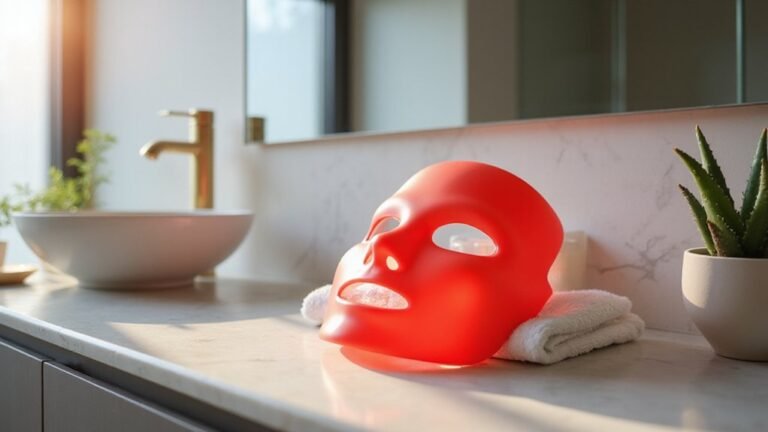
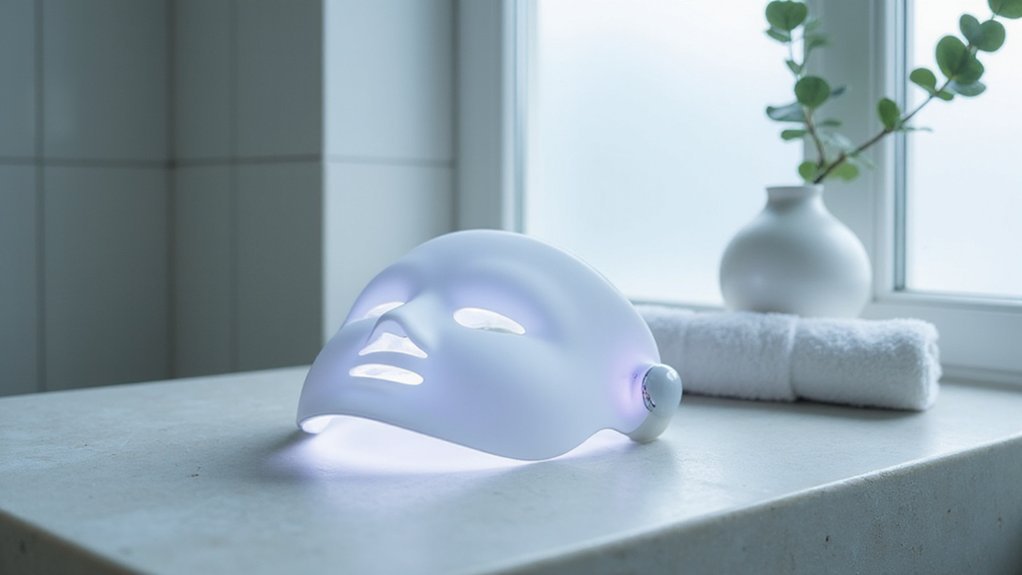
Wondering if LED face masks are safe for your skin? They can be, as long as you follow the instructions and choose the right light type.
Red and near-infrared lights are generally low-risk for healthy adults, while blue light requires careful eye protection since it penetrates deeper.
This article will break down the safety and best practices for using LED masks effectively.
How Red, Blue, and Near-Infrared Light Penetrate Your Skin
Red light’s wavelength (620–660 nm) penetrates only a few millimeters beneath your skin’s surface, primarily reaching the epidermis and upper dermis. This limits its effects to surface layers rather than deep tissues. Blue light, with shorter wavelengths around 450–495 nm, scatters and absorbs more easily, limiting its penetration to about 0.3–0.5 mm and targeting only the skin’s outermost layers. Conversely, near-infrared (NIR) light, approximately 810–850 nm, can reach depths of 1 to 3 centimeters. This allows it to affect the dermis and subdermal tissues. Keep in mind that skin characteristics such as melanin content, blood flow, and hydration influence how deeply each wavelength can penetrate. Increasing irradiance can push light slightly deeper, but the gain is not linear, so deeper penetration depends on a combination of factors including device settings and individual skin properties. The red light therapy mask commonly uses these specific wavelengths to target skin concerns without harming deeper structures. For comparison, a derma roller creates microscopic channels to enhance product absorption, but light therapy avoids such physical disruption. In contrast, building a homemade tattoo machine involves mechanical puncturing of the skin, which carries risks like infection and uneven depth control that light-based treatments do not.
LED Face Masks Are Generally Safe for Healthy Adults
LED face masks are generally safe for healthy adults when used as directed. Their penetration depth is limited to shallow skin layers, which helps prevent any risk of deeper tissue damage. Since they use non-ionizing, low-risk light rather than UV rays, they do not pose the same dangers associated with ultraviolet exposure. Clinical reviews and the Cleveland Clinic confirm that LED masks are safe, well-tolerated, and painless when you follow manufacturer instructions. Minor side effects like temporary redness or dryness are rare and mild. However, overuse can cause irritation or reduce skin hydration, so keep sessions to 10-20 minutes and stop if the mask feels uncomfortably hot. Similarly, tape extensions last longer when you follow manufacturer instructions for care and avoid habits that can shorten their lifespan. Studies show that consistent use can stimulate collagen production and improve skin texture over time. Unlike the complex chemical processes used in commercial ink manufacturing, LED masks rely on non-ionizing low-risk light to ensure no deeper tissue risks. Device compatibility is important for safety. Always opt for FDA-cleared masks and wear eye protection if the device emits blue light. Match your device to your skin’s sensitivity and your skincare routine. If you have photosensitive conditions or take medications that increase light sensitivity, consult a healthcare professional before use. For healthy adults, at-home LED therapy is a low-risk option that can be safely incorporated into skincare routines.
Why Blue Light Raises Eye Safety Concerns and How to Protect Yourself
Blue light can penetrate deeply into your eye and reach the retina, making eye protection essential—especially with masks that sit directly on your face. Prolonged exposure to direct blue light can cause discomfort and, in some cases, retinal damage over time. To prevent this, opaque eye protection is non-negotiable; it needs to block all stray light completely. Leaks around the mask’s edges increase the risk of exposure, so ensuring a snug, well-sealed fit is crucial. Safety and efficacy monitoring includes stopping use if adverse symptoms occur, such as redness or burning, as part of consistent care protocols. Individuals with light-sensitive conditions should exercise particular caution before starting treatment. Research indicates that red light therapy is generally considered safe for the skin with minimal side effects when used correctly. Choosing the right wig cap for beginners can help ensure a comfortable and secure fit during any at-home beauty routine.
During light therapy sessions, close your eyes to reduce direct exposure and never skip wearing protective goggles. Always follow the manufacturer’s recommended timeframe, starting with 10 to 15 minutes. Pushing beyond this duration does not speed up results and may increase irritation. Choose a certified device with consistent power output to ensure safety and effectiveness. If you recently underwent eye surgery or take medications that make your eyes more sensitive to light, consult a healthcare professional before starting treatment. Remember, proper eye protection is your primary safeguard against the hidden risks blue light presents.

Stylish and Professional: Stylish and sturdy, these ANSI Z87.1 high-impact compliant safety glasses feature scratch-resistant polycarbonate lenses that provide 360° protection while maintaining a clear field of vision.

[Filter Blue light Glasses] Blue light filterer with UV400 protection, help you resist harmful blu-ray, reduce discomfort from TV, phone, digital screen and reading under fluorescent lights; Reduce glare, fatigue, eye strain and dry eye, protect your vision and help sleep better
Who Should Avoid LED Light Therapy Entirely
You should avoid LED light therapy entirely if you have a photosensitive condition like lupus or porphyria. Light exposure can trigger severe skin reactions in these conditions. Additionally, if you are taking medications such as isotretinoin, lithium, or certain antibiotics like tetracyclines or doxycycline, your photosensitivity is increased significantly, making even low-level LED light potentially harmful.
People with active cancer, a history of skin cancer, or suspicious skin lesions should not use LED therapy without explicit approval from a healthcare professional, as light stimulation might affect abnormal tissue. Those with epilepsy, particularly if they experience seizures triggered by pulsing light, should avoid LED therapy altogether.
Pregnant individuals should also skip LED light therapy since safety data remains limited. Always consult your healthcare provider to assess your specific health conditions before starting any LED light treatment.

🔹 115+ BUILT-IN FACES & PATTERNS – Instantly switch between 70 static faces and 45 animated designs with this futuristic LED cosplay mask. Customize your own graphics for a truly one-of-a-kind look.

MATERIAL: High quality PVC plastic mask lined by safe, luminating LED lights. Light conforms to shape of mask and can be bent if needed

MATERIAL: High quality PVC plastic mask lined by safe, luminating LED lights. Light conforms to shape of mask and can be bent if needed
Skin Side Effects of LED Face Mask Overuse
Overusing LED face masks can cause skin side effects. If you use the device too frequently or for too long, you might see temporary redness or mild irritation after sessions. Usually, these effects fade within a few hours. However, exceeding recommended durations and frequencies can lead to skin peeling, as your skin’s barrier struggles to recover from the overstimulation. Unlike typical cosmetic ingredients, tattoo ink pigments are injected into the dermis and can trigger long-term immune reactions, but overuse of LED masks similarly disrupts the skin’s surface barrier. For example, proper needle depth control is critical when using a derma roller to avoid damaging deeper layers, just as limiting LED exposure prevents barrier compromise. You may also notice increased dryness or a feeling of tightness, which results from water loss caused by excessive exposure. This can make your skin more sensitive and reactive to products you normally tolerate well. In some cases, overuse can worsen skin reactivity, leading to stinging sensations or heat intolerance without changing your skincare routine. Similar to how gentle removal is crucial for protecting hair after wearing tape in extensions, giving your skin adequate recovery time after LED exposure is essential for maintaining its barrier integrity. To prevent these issues, limit sessions to 2–3 times per week, stay well-hydrated after each treatment, and always follow the device instructions carefully. Serious burns are rare but can occur if you misuse the device excessively or if it malfunctions.

VISIBLY CALMS AND REDUCES SKIN REDNESS: This redness reducing overnight mask soothes sensitive skin and acts as an anti aging skincare essential by revitalizing the look of dull, tired skin

The LED Facial Mask is an over-the-counter, facemask-shaped design light emitting diode (LED) device that emits light energy in the red, blue, and amber spectrum for the treatment of wrinkles or mild to moderate inflammatory on the face.

【7 Light Modes + Auto Cycle Care】:This mask features 7 professional-grade light modes along with an automatic cycle setting to meet a variety of skincare needs. Choose different lights based on your skin conditiont,create your personalized skin care plan with ease
How to Choose an FDA-Cleared Device for Safety
To ensure the safety of an LED face mask, verify that it has FDA 510(k) clearance. This clearance confirms the device is substantially equivalent to a legally marketed product, indicating it has undergone safety and efficacy review. Always look for a specific clearance number rather than vague statements like “FDA registered,” which does not mean the device has been approved or cleared. For an alternative approach to skin treatments, you can also explore top microneedling pens for comparable results with professional-grade tools.
Examine the device’s wavelength specifications—accurate masks will list precise values such as 630 nanometers for red light or 415 nanometers for blue light. Confirm that the mask is non-UV and non-invasive to avoid unnecessary risks. Watch out for exaggerated claims like “cure acne overnight,” which are unlikely to be supported by evidence.
Protecting your eyes is crucial, especially with blue light therapy. Choose a mask with integrated eye shields or wear opaque goggles and always follow closed-eye instructions. Lastly, look for additional safety certifications such as UL or CE marks, which verify electrical safety, and ensure the manufacturer provides a valid physical address. These markers help you trust that the device adheres to safety standards and is supported by credible research.

【Clinical-Inspired Transformation for Acne 】 Powered by clinically studied light wavelengths, this red and blue light mask supports FDA-cleared inflammatory acne treatment and visible skin renewal. In about 2 weeks, skin looks fresher. After 4 weeks, forehead lines, smile lines, dull cheeks appear refined. With 8–12 weeks of continued use, acne-prone look calmer and smoother. Individual results may vary.

【Cordless & 3D Contoured Design for Unrestricted Skincare】 -- Cordless operation removes the hassle of tangled power cords and restrictive movement. 3D ergonomic shape conforms to facial contours for a secure, non-slip fit. Wear during work, cooking, reading or relaxation for hassle-free skincare without outlet dependency
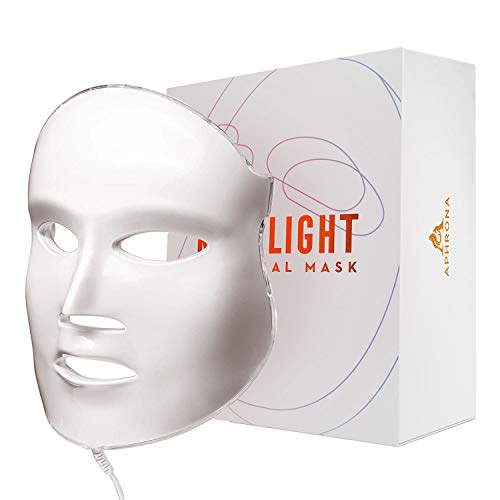
VISIBLE RESULTS IN LESS TIME – Experience the power of LED light therapy with Aphrona’s advanced face mask, designed to rejuvenate and transform your skin. Featuring 450 high-purity (99%) narrow-spectrum LED chips, our mask delivers optimal energy distribution for maximum effectiveness—from the comfort of your home. Distributed in USA.
Optimal Session Length for LED Mask Safety
Most at-home LED face masks recommend sessions of 10 to 20 minutes. Staying within this time frame ensures safety and effectiveness without risking dryness or irritation. Longer sessions do not accelerate results and can cause discomfort. To optimize your routine, aim for 3 to 5 sessions per week and maintain consistency. When comparing devices, check the device’s power output: higher-output masks may need only 10 minutes, whereas lower-output masks might require up to 20 minutes. If you’re a beginner, start with 5 to 10 minutes and gradually increase the duration as your skin adapts. Always start with a clean face, wear protective eyewear, and clean your mask after each use. If you notice redness, tightness, or irritation, reduce your session length or frequency to prevent overdoing it.

Four Targeted Wavelengths For Complete Skin Support – Switch between 660 nm red light for firmer-looking skin, 415 nm blue for clarity, 590 nm yellow for balanced tone, and 850 nm near-infrared for overall radiance. Zero UV rays, safe for all skin types and tones.

【Effortless Professional Treatment】Our FDA-cleared light therapy mask features intuitive one-click control. Ideal for efficient 10-minute sessions, whether you're working or unwinding.

Acne and Anti-Fine Line Care: When breakouts, blemishes, or fine lines make skincare hard to plan, this LED Facial Mask uses red, blue, and other wavelength light combinations for acne treatment, wrinkle care, skin rejuvenation, and anti-aging at home
Safe Results Timeline: What to Expect After 6–12 Weeks
Between 6 and 12 weeks, you’ll notice significant improvements in your skin’s firmness and elasticity. Around the 6 to 8-week mark, expect to see firmer skin and softer fine lines, supported by a study confirming notable texture and elasticity enhancements after just six weeks of consistent use. This period marks meaningful skin rejuvenation as collagen remodeling deepens. During this time, your wrinkles should appear reduced and skin smoother, but these results depend on maintaining a regular treatment schedule. Light penetration at the correct wavelength is essential for driving these effects, so avoid overdoing sessions—sticking to the recommended routine ensures safe and optimal progress. By 8 to 12 weeks, your skin should exhibit even greater firmness, improved elasticity, and a more youthful appearance, provided you stay consistent with your treatments.
What We Actually Know About Long-Term Safety
Long-term safety data for these devices is limited, with most studies lasting only a few months. No serious adverse events have been reported in clinical trials, and the non-ionising light used does not cause UV-like DNA damage or skin cancer. However, caution is still advised, as evidence for effects after years of daily use remains incomplete. Similar to the sterilization protocols for derma needle rollers, user hygiene is critical to prevent skin irritation. A thorough review of reputable aftercare products, such as top A&D ointments, is recommended to support skin recovery before and after treatments. Clinical trials have shown No serious adverse events, but these studies are typically short-term.
Your device’s durability and brand reputation are important because overusing a mask or ignoring manufacturer instructions can lead to mild irritation or dryness. Eye safety is a primary long-term concern—prolonged exposure to blue light without proper protection may cause discomfort or retinal injury. Since current research mostly covers short-term effects, the cumulative impact of daily long-term use is still not well understood.