
If you’re wondering whether a red light mask can truly improve your skin, the answer is yes—when used consistently. It works by boosting your cellular energy, which helps increase collagen production for firmer, smoother skin.
This non-invasive treatment is known for reducing fine lines, calming acne redness, and speeding wound healing.
Keep reading to learn everything you need to know about getting the best results from this skincare tool.
What Is a Red Light Mask and How Does It Work?
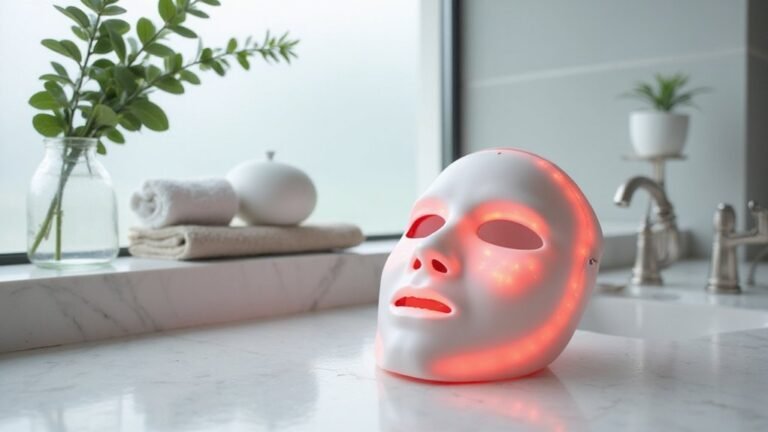
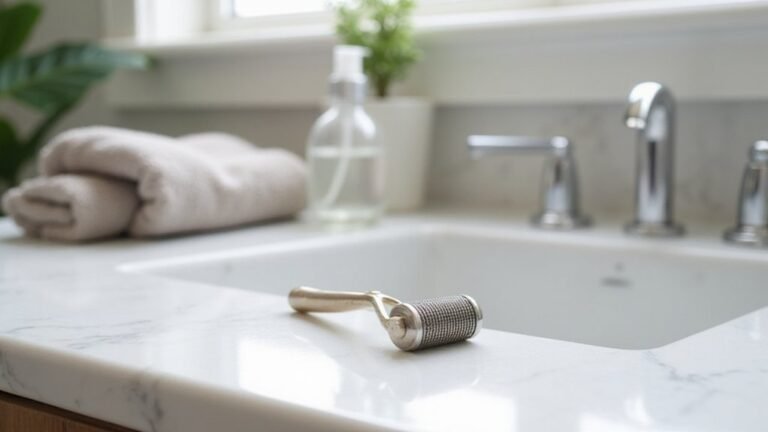
A red light mask is a device equipped with LED lights that deliver specific wavelengths like 633 nm red light or 830 nm near-infrared directly onto your skin. These wavelengths penetrate about 8 to 10 millimeters deep, reaching your mitochondria—the energy producers inside your cells. When exposed to this light, your cells absorb the energy, which stimulates increased production of ATP, the molecule that powers cellular functions. This process enhances collagen and elastin synthesis, leading to improved skin firmness and elasticity. Unlike lasers, LED light uses incoherent, non-collimated light for a biostimulatory effect rather than tissue destruction. This mechanism is similar to how microneedling with a derma roller creates micro-channels to boost collagen production, though the light penetrates without breaking the skin. Users often choose a mask over clinic visits because it provides a reusable device that reduces the long-term cost of regular treatments. However, results can vary, as with derma rolling, where consistent use over eight weeks is typically needed to see visible improvements.
Because the treatment is non-invasive and UV-free, it offers a safe way to promote skin repair from within without needles or downtime. The device is reusable, meaning you’ll pay once for it rather than multiple clinic visits. Typically, sessions last between 10 and 20 minutes, done three to five times weekly. Maintaining the device involves simple wiping after each use and storing it safely. Visible skin improvements often become noticeable after about eight weeks of consistent use.

Gentle LED Red Light Care - This facial care mask uses premium LED red light technology to deliver gentle warm care to facial skin, helps improve dull skin appearance and smooth skin texture, helps maintain a refreshed facial skin look, suitable for daily facial skincare and relaxation care.

【680 Light Beads & Full Coverage】This LED Light Mask for face and neck features 100+70 beads, each containing 4 LED beads, totaling 680 light beads to full cover face, neck and chest. It has more than 5x the beads and power of leading brands, providing even LED light coverage across the face and neck for a convenient skincare experience.
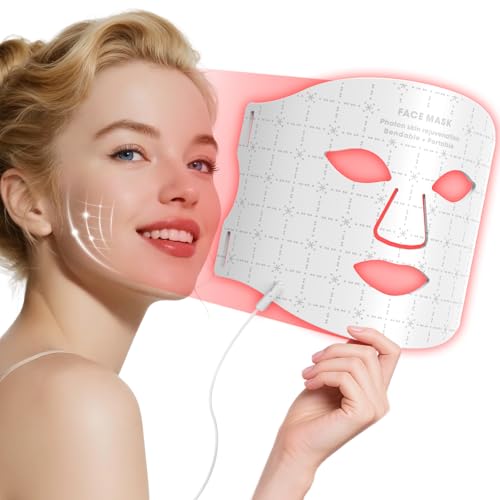
【Many colors, Many choices】Our led light therapy mask has 7 distinct color , different skincare benefits, Whether targeting wrinkles, uneven tone, or dullness, you can choose the mode that suits your skin’s needs.
What Anti-Aging Results Can a Red Light Mask Deliver?
Red light masks can deliver noticeable anti-aging benefits with consistent use over several weeks. After about 28 days, you may see a 15.6% decrease in the depth of crow’s feet. By 84 days, this improvement can reach up to 38.3%. Skin firmness tends to improve by approximately 13.6%, and dermal density can increase by around 26.4% within the first month. These subtle gains become more evident over time, especially with ongoing treatment.
Expect changes in skin elasticity as well—they can increase by about 12.5% after three months. Texture becomes smoother, and pore size may appear reduced. The results are gradual rather than instant, so regular, dedicated sessions are essential. Maintaining these improvements requires ongoing use, and the quality of your device plays a role. Supporting your skincare routine with botanical extracts and protecting your skin from sun exposure can enhance these anti-aging effects.

RED LIGHT THERAPY MASK: CryoGlow is an at-home LED face mask combining red, blue & deep infrared light with under-eye cooling to target fine lines and acne, firm skin & refresh tired under eyes.

FDA-Cleared 7-Color Therapy: Professional skin rejuvenation at home. This red light therapy for face mask uses 7 therapeutic wavelengths—including Red for collagen and fades fine lines. Blue for acne, soothe breakouts—to target deep-seated skin concerns. Our led mask provides a safe, non-invasive solution
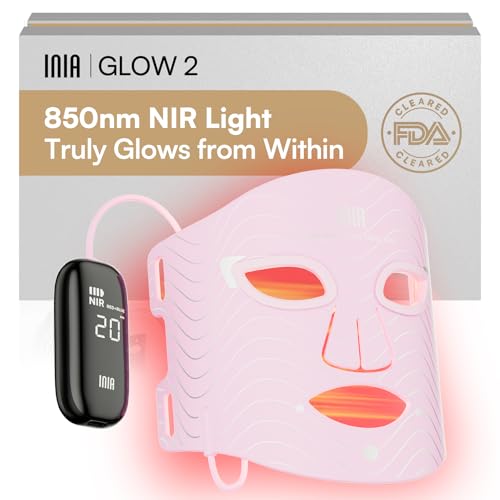
Dual-Wavelength Revitalization: The INIA Red Light Mask combines 630nm red light for surface renewal with 850nm near-infrared light for deeper skin support. This dual-wavelength design allows up to 2× deeper penetration and energy delivery, helping boost collagen and skin elasticity. Press the “NIR” button to activate both modes and elevate your skincare routine.
Can a Red Light Mask Really Clear Up Acne and Calm Redness?
Red light masks can indeed help clear up mild-to-moderate acne and soothe redness. They work by reducing inflammation and calming swelling caused by breakouts, which leads to a less irritated skin appearance over time. Specifically, red light targets the inflammatory components of acne without harming skin cells, supporting a calmer complexion. The therapy also enhances your skin’s ability to absorb nutrients and promotes skin tightening, contributing to a smoother look. For optimal antimicrobial effects, pairing red light with blue light is most effective. Remember, improvements tend to build gradually, with initial calming visible before noticeable acne reduction. To see results, use the mask consistently—about three to five times weekly for ten minutes each session. Keep in mind, red light masks are a supportive tool and work best alongside a comprehensive skincare routine. For those who also use hair extensions, pairing this treatment with top babe tape options can help maintain a polished appearance without skin irritation.

【Clinical-Inspired Transformation for Acne】Powered by clinically studied light wavelengths, this red and blue light mask supports FDA-cleared inflammatory acne treatment and visible skin renewal. In about 2 weeks, skin looks fresher. After 4 weeks, forehead lines, smile lines, and dull-looking cheeks appear refined. With 8–12 weeks of continued use, acne-prone skin looks calmer and smoother. Individual results may vary.

RED LIGHT THERAPY MASK: CryoGlow is an at-home LED face mask combining red, blue & deep infrared light with under-eye cooling to target fine lines and acne, firm skin & refresh tired under eyes.

The LED Facial Mask is an over-the-counter, facemask-shaped design light emitting diode (LED) device that emits light energy in the red, blue, and amber spectrum for the treatment of wrinkles or mild to moderate inflammatory on the face.
Can a Red Light Mask Heal Wounds, Scars, and Sun Damage?
A red light mask can help promote healing of skin wounds, reduce scars, and improve sun-damaged skin by stimulating cellular repair processes. It works primarily by increasing collagen production and decreasing inflammation. The light penetrates the skin and activates fibroblasts, which are cells responsible for rebuilding tissue and producing collagen. This boosts tissue repair and speeds up early wound closure. For those seeking alternative treatments, some users combine red light therapy with derma rollers to enhance product absorption and collagen stimulation. Applying the mask to a clean face is important for optimal penetration, similar to how a wig cap should be worn on a clean scalp to ensure proper adhesion. To maximize benefits, you should adhere to a consistent schedule, much like refit timing for tape-in extensions prevents slipping and damage.
Studies have shown that red light therapy can accelerate tissue healing and lessen postoperative pain. Animal research indicates that scars shrink in size as early as nine days after treatment. For sun-damaged skin, the mask supports collagen synthesis and calms inflammation, which helps in skin remodeling. Although results are most noticeable during the healing phase, it’s important to keep realistic expectations. The therapy should complement standard wound care, not replace it. Use the mask as directed, since it is generally safe and non-invasive for short-term use. However, evidence for long-term reversal of scars or sun damage remains mixed, so ongoing skin care and sun protection are still necessary.


Dual-Wavelength Revitalization: The INIA Red Light Mask combines 630nm red light for surface renewal with 850nm near-infrared light for deeper skin support. This dual-wavelength design allows deep penetration and energy delivery, helping boost collagen and skin elasticity. Press the “NIR” button to activate both modes and elevate your skincare routine.
Does a Red Light Mask Help With Scalp and Hair Concerns?
A red light mask is unlikely to deliver the same hair growth benefits as targeted scalp devices. Consumer-grade masks, designed primarily for facial skin, lack the power and precision that FDA-cleared combs, caps, or helmets provide. These specialized devices emit specific wavelengths, typically between 630 and 670 nanometers, directly aimed at your scalp. This targeted light promotes ATP production and increases blood flow, which can help reduce inflammation and keep hair follicles in the growth phase longer. Clinical research demonstrates that consistent use of such specialized devices enhances collagen density and skin elasticity, which also supports overall scalp health. While a face mask may provide minor improvements in scalp health, it is not a reliable solution for significant hair regrowth. For notable results, you should expect to use dedicated light therapy devices consistently over four to six months. These devices are designed to deliver concentrated energy precisely where it’s needed, making them far more effective than a standard facial mask for hair concerns. Proper application of these professional tools requires following the manufacturer’s removal timing guidelines exactly, as stretching the interval between sessions can lengthen the treatment cycle and delay visible improvements.

The Hair Growth Device is composed of 162 laser diodes (wavelength: 650-660nm, power<5mW) configured within an outer helmet and protective inner, arranged to provide consistent and comprehensive attention. The design ensures that areas you wish to focus on—like the hairline, temples, sides, and crown—receive attentive, soothing coverage.

𝐅𝐃𝐀 𝐂𝐥𝐞𝐚𝐫𝐞𝐝 — The Hair Growth System is an FDA Cleared low level laser therapy (LLLT) device indicated for the promotion of hair growth in females with androgenetic alopecia (Ludwig-Savin Classifications I-II) and males with androgenetic alopecia (Norwood Hamilton Classifications IIa-V), for Fitzpatrick Skin Phototypes I-IV.

Full Scalp Coverage - Experience advanced red light therapy with 282 lasers and LEDs designed to target your hairline, sides, and crown by stimulating hair follicles deep within the scalp. The iRestore Pro offers more comprehensive coverage than most laser caps, with a breathable fit built for comfort- ideal for consistent at-home treatments.
Is Red Light Therapy Safe? Side Effects and What to Watch For
Red light therapy is generally safe when used properly, but you should stay alert for mild side effects such as temporary redness, warmth, or skin irritation. Always wear protective goggles to prevent eye damage, especially if you have existing eye conditions. Be cautious of blistering or burns, which can happen if the device is misused or malfunctions. Exercise extra care if you are pregnant, taking photosensitizing medications, or have a history of skin cancer or photosensitive conditions like lupus. Although serious risks are rare, it is essential to follow the manufacturer’s instructions carefully. Keep in mind that long-term safety data is limited, so use your device responsibly and consult a healthcare professional if you have underlying health concerns. Just as with any equipment, maintaining proper device handling can help prevent skin irritation and overheating. Similarly, ensuring a secure and clean fit for the mask can reduce the risk of pressure irritation and improve overall comfort. For a reliable application, you can use stencil transfer methods to create precise guidelines without relying on specialized paper.
How Long Until You See Results From a Red Light Mask?
Most people start to notice subtle changes after about two weeks of consistent use. You might see a softer feel, calmer redness, or a mild glow. However, the most significant improvements require patience. Early visible signs such as smoother texture and better hydration typically appear between weeks two and four. Unlike tape or clip hair extensions which offer immediate aesthetic results, red light therapy requires consistent commitment for gradual skin benefits. Beginners seeking similar foundational comfort for their skincare routine should consider a well-fitted wig cap for consistent application ease. By weeks four to six, you can expect reduced redness and fewer breakouts. Firmness and fine lines, however, take longer; expect eight to twelve weeks before you see noticeable structural improvements. How quickly you see results depends largely on your treatment routine—aim for sessions lasting 10 to 20 minutes, two to five times a week. Unlike a tattoo machine’s needle groupings which determine precise ink delivery, the red light mask’s diode arrangement distributes energy evenly across the skin.
Realistic Expectations: What Red Light Masks Will and Won’t Fix
Red light masks provide modest improvements rather than dramatic transformations. They can help soften fine lines, reduce redness, and clear up mild acne, but they are not a substitute for more invasive treatments like facelift surgeries. Expect to see some reduction in visible wrinkles and less facial flushing, but don’t anticipate complete removal of scars or reversal of deep sun damage. These devices work gradually and support skin healing rather than deliver instant results.
Many common claims, such as permanently shrinking pores or reversing all sun-related skin damage, lack strong scientific backing. While clearer skin and decreased inflammation are achievable, they do not target chronic conditions like severe rosacea or deep scars effectively. Wound healing may be supported by red light therapy, but outcomes vary depending on individual skin types and the severity of skin damage.
It’s important to maintain realistic expectations. Think of these masks as tools for subtle improvements—enhancing texture and tone over time—not miracle solutions. Results are not overnight, and consistent use over weeks or months is necessary to see noticeable changes. Their benefits operate on limited, natural mechanisms, so avoiding hype and understanding these boundaries will help you make informed decisions.