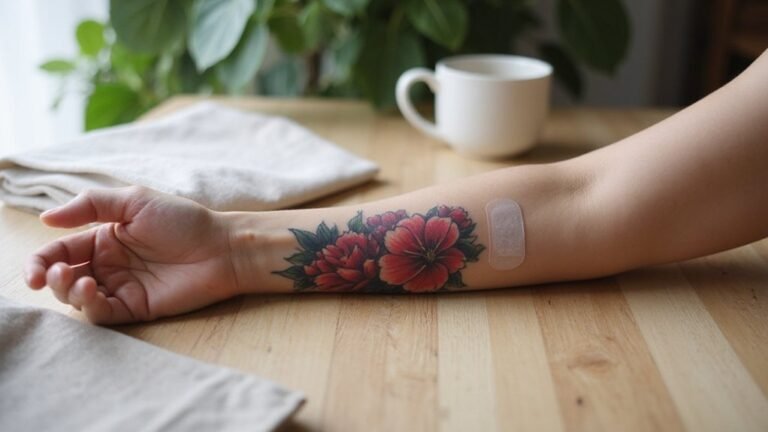

Wondering how long your white ink tattoo will stay bright? Typically, it remains visibly white for about one to two years after healing, but noticeable fading can start within six to twelve months.
Over time, the pigment—containing titanium dioxide—may turn yellow, beige, or gray, especially depending on your aftercare and skin type.
Keep reading to learn how you can make that whiteness last longer.
How Long Do White Ink Tattoos Actually Stay Visible?
White ink tattoos typically stay visibly white for about 1 to 2 years after healing. During this period, the bright, milky white pigment remains noticeable on untanned skin. However, noticeable fading usually begins within 6 to 12 months, and the tattoo can soften considerably over time. After 3 to 5 years, most white ink tattoos become faint, often appearing as off-white, cream, or a flesh-toned shadow rather than sharp white. Sun exposure accelerates this fading process, so protective measures are essential. Keep in mind that long-term white tattoos rarely remain perfectly white; instead, they tend to become more subtle and less contrasting over time. Using quality oxygen machines during facial treatments can help maintain skin health, which may indirectly support better ink retention in tattooed areas. The pigment particle size and suspension quality within the ink can influence how evenly the white color is dispersed during application, affecting its initial brightness and longevity. Similarly, the needle depth used during the derma roller or tattooing process can impact how well the pigment sits in the skin, further influencing how long the white color remains visible.
Why White Ink Fades Faster Than Any Other Color
White ink fades faster than other colors because it contains titanium dioxide, a pigment that degrades when exposed to UV light and oxygen. Over time, this degradation causes the white ink to yellow or turn cream-colored, making the tattoo less vibrant. Unlike darker pigments, white lacks the transparency that helps hide surface damage, so any fading is more noticeable. The initial high contrast between your skin and the white ink diminishes quickly as the pigment loses its brightness. Sun exposure accelerates this process by breaking down the pigment more rapidly. Additionally, during healing, your skin naturally expels some of the ink, which further reduces its brightness. Since white’s visual impact relies heavily on its initial contrast, any loss of purity becomes immediately clear, making it one of the most challenging colors to maintain over time. Regularly using a derma roller can help slow fading by stimulating collagen production and improving ink retention in the skin.
What Skin Tone Means for White Ink Tattoo Longevity
Your skin tone significantly influences how visible a white ink tattoo remains over time. The key factor is skin pigmentation, which affects the contrast between the ink and your skin rather than the ink’s durability itself. On very fair skin, white ink maintains its brightness longer because of the high contrast, but it will eventually fade into a faint, scar-like outline. For those new to tattoo application, picking the right wig cap or tattoo stencil base can help beginners visualize contrast before committing. Understanding how a tattoo machine’s needle deposits ink into the dermis explains why the pigment depth affects fading equally across all skin types.
In darker skin tones, melanin impact plays a larger role. The natural pigment can make white ink appear chalky or muted from the start, reducing initial visibility. As the tattoo fades, this lower contrast means fading becomes apparent sooner. Medium skin tones tend to fall in between, often losing that crisp white look faster as the ink shifts toward off-white or cream shades. Understanding microdermabrasion tips diamond can help manage ink appearance during healing, but it does not change the underlying fading process.
Sun exposure accelerates fading for everyone, causing white ink to turn yellow or beige over time. Ultimately, your skin tone doesn’t necessarily determine how long the ink lasts but influences how clearly you can see it as it fades.
5 Factors That Shorten White Ink Tattoo Lifespan
Sun exposure is the single biggest factor that shortens the lifespan of a white ink tattoo. Ultraviolet rays break down the pigment rapidly, causing the tattoo’s color to fade from pure white to yellow, beige, or gray over time. The more your skin is exposed to sunlight, the faster this degradation occurs. High-friction areas such as the hands or feet also accelerate fading because constant rubbing and flexing wear down the pigment layers. Poor aftercare—like not using sunscreen or picking at scabs—can significantly diminish pigment saturation and healing quality. Following proper aftercare timelines during the initial healing phase is crucial, as leaving a tattoo bandage on for the recommended duration helps protect the fresh ink from early pigment loss. Additionally, the quality of the ink and the skill of the artist influence how well the ink layers are applied; low-quality ink or uneven layering can lead to faster fading. Your skin’s natural chemistry, especially oily skin, can further break down white ink more quickly. To help preserve your tattoo, protect it from sun exposure, moisturize regularly, and avoid high-wear spots whenever possible. Unlike other pigment colors, white ink relies on titanium dioxide for its opacity, and this compound is particularly vulnerable to UV degradation. Consistent application of a high-SPF sunscreen is the most effective way to slow UV pigment breakdown and extend the life of the design.

Water Resistant: Coppertone Sport SPF 100 sunscreen lotion is water resistant (80 minutes), and stays on strong when you sweat

Tattoo-Safe Mineral Formula: Our tattoo sunscreen lotion uses non-nano zinc oxide, a physical barrier that sits on the skin to block UVA/UVB rays without penetrating or irritating tattoos. This helps prevent fading, discoloration, or damage to tattoo ink caused by sun exposure.
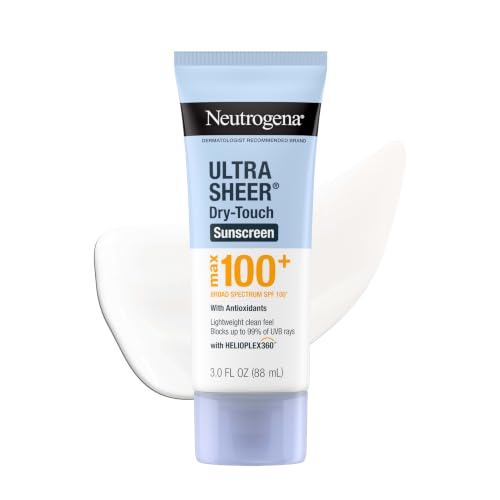
3 oz travel size bottle Ultra Sheer Dry-Touch Max 100+ Sunscreen with Broad Spectrum SPF 100+ that helps defend against the signs of sun aging, prevent sunburn & decrease the risk of skin cancer when used as directed with other sun protection measures
What White Tattoos Look Like as They Age
As a white ink tattoo ages, the color typically fades significantly and often shifts from its original bright white. Over time, exposure to sunlight causes the ink to yellow, beige, or gray, reducing its visibility. The appearance of the tattoo is also affected by your skin tone: on lighter skin, it may fade into a faint scar-like mark, while on darker skin, it can turn chalky or ashy. Fine lines and intricate details tend to blur and soften, causing the design to lose its crispness. Fading usually begins within the first year and becomes more noticeable after three to five years. Additionally, the tattoo might develop a raised, textured feeling that resembles a subtle scar rather than a vibrant tattoo. Unlike standard tattooing, microneedling techniques can produce results that last longer by promoting deeper ink retention. Using an LED face mask after tattooing may pose risks to healing skin. Ultimately, what remains is a pale, muted mark that bears little resemblance to the original design.
When Should You Plan for a White Ink Touch-Up?
You should plan for a white ink touch-up after your tattoo has fully healed, which typically takes 6 to 8 weeks. If your healing process is uncomplicated, some professionals suggest waiting closer to 4 to 6 weeks before assessing for a touch-up. Avoid rushing this stage, as premature touch-ups can increase irritation and cause the white ink to appear milky or cloudy temporarily. Once healed, examine your tattoo for uneven patches, dull color, or blurry edges. If the white ink has faded significantly or the design no longer reads clearly, it’s time to schedule a touch-up. Many artists offer free touch-ups within 4 to 8 weeks or sometimes up to 3 to 6 months after the initial session. For areas prone to frequent wear, such as hands or feet, touch-ups may be needed every 2 to 3 years, while less exposed locations might only require refreshment after 1 to 2 years. Following essential aftercare tips during the healing process can help extend the lifespan of your white ink and reduce the need for frequent touch-ups. Planning a touch-up at the appropriate time helps maintain your tattoo’s vibrancy and can prevent the need for more extensive correction or removal later.

TATTOO OINTMENT- INK-EEZE Pink Tattoo Ointment is a NON-Petroleum based ointment infused with essential oils. The formula was specifically developed by tattooers and skin care specialists for use as a lubricant during the tattoo process and collectors to use as an aftercare. A little goes a long way

FRAGRANCE FREE TATTOO AFTERCARE FOR SENSITIVE SKIN - The same #1 artist recommended Hustle Butter formula, now with no added fragrance, dyes, or parabens. The unscented tattoo lotion of choice for sensitive or easily irritated skin.

FRAGRANCE FREE TATTOO AFTERCARE FOR SENSITIVE SKIN - The same #1 artist recommended Hustle Butter formula, now with no added fragrance, dyes, or parabens. The unscented tattoo lotion of choice for sensitive or easily irritated skin.
How to Keep White Ink Bright for Years
White ink can stay bright for years if you protect it from UV rays and follow proper aftercare. UV exposure is the fastest way to fade white, so consistently apply SPF 50+ sunscreen during outdoor activities or cover the tattoo with clothing. For healing, use fragrance-free soap, pat dry gently, and moisturize daily without rubbing or picking. Select an experienced artist who uses high-quality opaque white pigment that is mixed fresh for each tattoo. To maximize longevity, incorporate contrast in your design by placing white as highlights against darker shades, which helps highlights remain crisp. Smaller tattoos with simple lines tend to hold their brightness longer than large blocks of white that can fade more visibly with time. Keeping your skin healthy through a routine like LED facial masks can also support brightness by improving overall skin tone. Additionally, using a breathable tattoo bandage during the initial healing phase can prevent irritation and protect the delicate white ink from external contaminants. Just as tape-in extensions require proper application techniques for thin hair to avoid damage, white ink needs careful placement and aftercare to maintain its crisp appearance. Lastly, keep your skin well-hydrated and schedule annual check-ups with your artist to monitor fading before it becomes permanent.
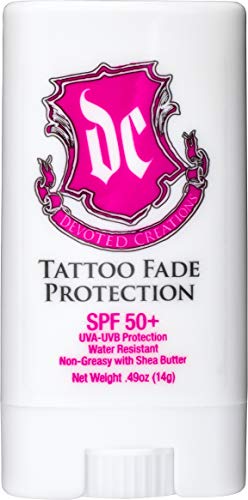

[ BROAD SPECTRUM UV PROTECTION ] 100% Mineral based sunscreen reflects UVA/UVB rays to help protect the skin. Stick sunscreen for face formulated with InVisibleZincTM Technology, a micro-fine zinc oxide that spreads easily & has a clear finish.

POWERFUL MINERAL SUN PROTECTION - Protect sensitive skin from the sun's harmful rays with Blue Lizard Sensitive Mineral SPF 50 Sunscreen for sensitive skin. It contains no harsh chemical active ingredients that might irritate sensitive skin