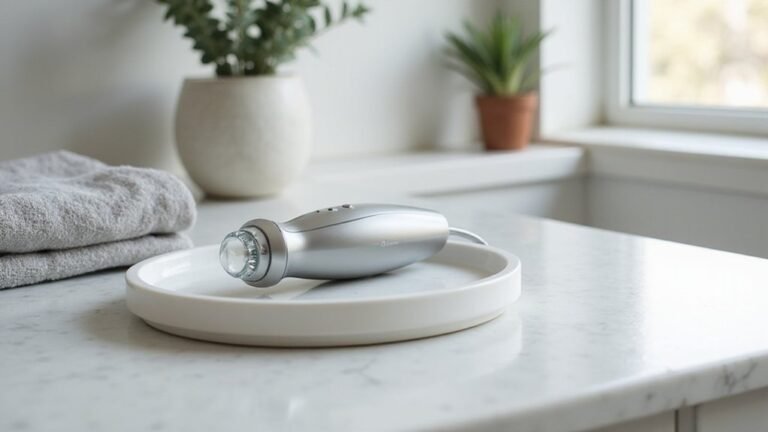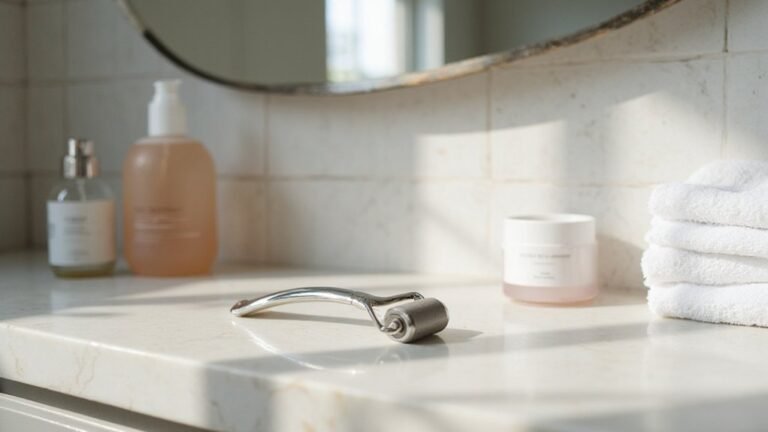
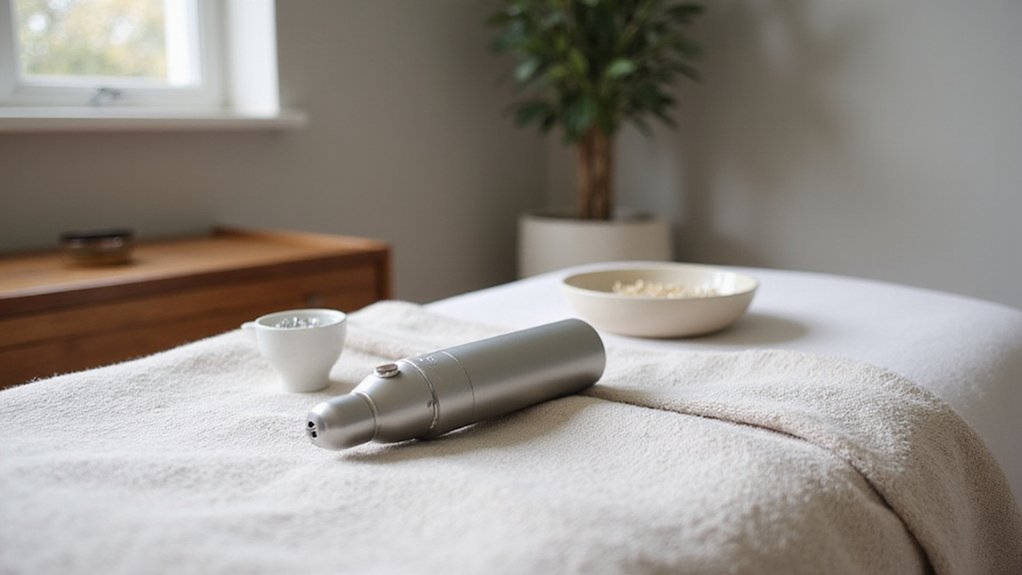
Not sure whether SkinPen or traditional microneedling is better for your skin concerns? SkinPen is often considered more precise, safer, and more consistent in delivering results. It uses adjustable needle depths and sterile, single-use cartridges, which help lower the risk of infection and reduce recovery time.
Understanding the differences can help you choose the best option for your skin goals.
Keep reading to see how each treatment measures up and what might work best for you.
What Exactly Is the Difference Between SkinPen and Microneedling?
The difference between SkinPen and microneedling primarily lies in device design, safety standards, and treatment consistency. SkinPen is a specific device that is FDA-cleared, ensuring it meets rigorous safety and effectiveness standards. It uses a motorized mechanism with disposable cartridges, which standardizes the depth of penetration and minimizes the risk of infection. This makes treatments more predictable and controlled. Unlike generic tools, SkinPen’s cartridges are single-use and sterilized, drawing on precise pigment dispersion methods similar to how tattoo ink makers ensure consistent particle size.
In contrast, microneedling is a broad category that includes various tools such as dermaroller rollers, pens, or devices from different manufacturers. These tools often vary in quality, with some lacking the consistency and sterility of FDA-cleared devices. The quality of results with traditional microneedling can depend heavily on the practitioner’s skill and the specific tool used, which may lead to less predictable outcomes. A derma roller, for example, relies on manual rolling to create micro-injuries that stimulate collagen production, but its depth and angle are less consistent than a motorized pen. For artists seeking a comfortable setup, investing in an ergonomic tattoo chair can similarly support consistency and reduce practitioner fatigue during long procedures.
Cost differences are notable: SkinPen treatments tend to be more expensive because of the device’s advanced technology and disposable system designed for safety and precision. However, this higher price also reflects a more standardized approach that reduces risks and enhances reliability. Meanwhile, general microneedling procedures may be less costly but carry variability in safety and effectiveness, depending on the practitioner and tools. For you, choosing SkinPen means paying for a certified, controlled, and consistent treatment process rather than a generic procedure that varies significantly in quality.
Why SkinPen’s Precision Beats Standard Microneedling
SkinPen’s precision gives you a significant advantage over standard microneedling. You can adjust needle depths from 0.25 mm to 2.5 mm, allowing you to target acne scars on thicker skin while safely treating sensitive areas like the neck during a single session. Its motorized, vertical motion ensures consistent needle placement, creating uniform micro-channels that promote faster healing and fewer side effects. This results in less downtime and more predictable outcomes across treatments. Fewer sessions are needed to achieve reliable results, which saves you money over time. SkinPen’s sealed, single-use cartridge minimizes contamination, making safety a priority. Additionally, it produces less waste compared to traditional models by reducing the need for multiple failed treatments. You get more precise and safer treatment for challenging zones, enhancing texture and tone without over-penetrating delicate skin. Proper aftercare, such as avoiding heavy products and gentle cleansing, reduces risks similar to those that can occur with tape-in hair extensions. Precision with SkinPen isn’t just a feature—it’s your shortcut to better results. Just as choosing the right wig cap ensures comfort and fit for beginners, selecting the right device enhances treatment outcomes.
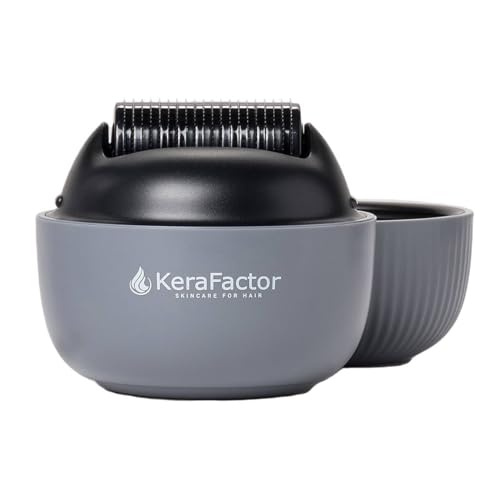
1,200 Ultra-Fine Stainless Steel Microneedles. Engineered for precision and comfort, the KeraRoller features 1,200 medical-grade stainless steel microneedles at a 0.25 mm...
How FDA Clearance Sets Skinpen Apart From Generic Microneedling
The FDA clearance is what truly sets SkinPen apart from generic microneedling devices. This clearance means the device has been reviewed by the FDA for safety and effectiveness for specific, approved uses. Unlike many generic options that lack regulatory oversight, SkinPen’s materials meet high-quality standards, and its design ensures consistent, controlled treatments. Because it is prescription-only, a licensed professional must operate it, reducing the risk of improper use. The FDA’s approval also ties the device to specific indications, such as treating facial acne scars, not vague marketing claims. This provides transparency and assurance, with traceability, a unique product code, and documented evidence that the benefits outweigh the risks. Without FDA clearance, you risk using devices that may be less reliable, with no proven safety or efficacy.
Which Microneedling Option Works Best for Acne Scars and Wrinkles?
When choosing the best microneedling option for acne scars and wrinkles, the evidence points to certain methods. Microneedling effectively improves atrophic acne scars, with the American Academy of Dermatology noting that combining it with platelet-rich plasma (PRP) can lead to 50% to 70% fading after three to five sessions. For wrinkles, the collagen-building process is similar, but research is more robust for scar treatment. Pen-based systems like SkinPen provide better control over needle depth, which is advantageous for targeting scars, but comparative studies do not definitively favor one device over another. To maintain safety and hygiene, it is critical to follow proper cleaning tattoo needles protocols to prevent infection and ensure reusable parts remain sterile. For those considering tape-in hair extensions, similar to selecting a microneedling device, choosing the top tape extensions requires careful comparison of brand options to find the perfect fit for your needs. Before starting any treatment, ensure your skin is prepped correctly by tracing the intended grid pattern, a step comparable to creating stencils without transfer paper for precise application.
Regardless of the device you select, it is crucial to perform chemical exfoliation between sessions to maximize results. Protecting healing skin with strict sun protection is also essential to prevent damage and hyperpigmentation. Ultimately, the core benefit of microneedling—collagen induction—drives improvements for both scars and wrinkles.

Safe 0.2996 mm Needle Length for Home Use – Designed with precise 0.2996 mm micro-tips that gently touch the skin surface, providing a mild cosmetic experience suitable for daily skincare routines.
This 0.25mm derma roller features a compact and lightweight build, effortless to operate and friendly for daily at-home skin care, no complicated operation required.

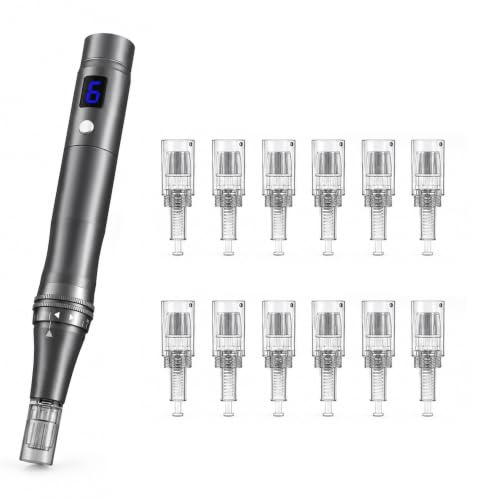
Microneedling Pen Cartridges for Dr pen M8,M7S, Easy-to-Use for Home Use (36 Pin,20PCS)
Comfort and Downtime: What to Expect From Each Option
Traditional microneedling can be more uncomfortable because needle depth and pressure may shift unexpectedly, increasing pain even if you’re numbed beforehand. Your pain level largely depends on your practitioner’s technique, which can vary. Recovery typically takes longer—expect about 3 to 5 days of redness, swelling, and soreness. Caring for your skin afterward requires patience, especially after deeper treatments. In contrast, SkinPen’s precision enhances the healing process, making it noticeably easier and more comfortable, similar to how a precise glue application minimizes irritation when securing a lace front wig.
SkinPen vs Traditional Microneedling: Side by Side
SkinPen offers more precise control and safety features compared to traditional microneedling devices. Its vertical needle motion and single-use sterile cartridges allow for needle depth adjustments in 0.1 mm increments, ensuring consistent penetration and minimizing skin trauma. In contrast, traditional rollers can produce uneven punctures due to their design, making results less uniform. Cost-wise, initial expenses often favor traditional devices, but SkinPen’s FDA clearance and reliable outcomes typically justify the higher investment. However, proper sterilization and technique is critical for traditional rollers to avoid infection and ensure safety. Practitioner skill plays a larger role with traditional rollers, where proper technique and sterilization are critical for safe and effective treatment. For targeting specific concerns such as acne scars, SkinPen’s precision can deliver more predictable and controlled results. Unlike tattoo machines that use reciprocating electromagnetic coils to drive needles, microneedling devices rely on vertical stamping or rolling motion for skin rejuvenation. While traditional rollers can improve skin texture, results often take months and may fall short of expectations for deep scarring.

10pcs 16P M8, M7S Original Replaceable Refills


( Screw Slot ) The Microneedling Cartridges for PIPM Y81/A690/A703 and other machine fitting the Cartridges, Please double check this cartridge matches your machine.
When to Choose Traditional Microneedling (and When to Skip It)
You should choose traditional microneedling for surface-level concerns such as mild acne scars, enlarged pores, fine lines, and superficial pigmentation. It’s a gentle treatment with only 1 to 2 days of downtime, making it suitable for maintenance and regular skin health. Plus, it’s more budget-friendly compared to more intensive procedures. However, avoid it if you require deeper structural repair. Traditional microneedling won’t effectively address skin laxity, deep wrinkles, or moderate to severe acne scars. For optimal skin recovery, experts recommend timing red light mask use between sessions to enhance healing and reduce inflammation. Tape extensions offer a similar low-downtime alternative for temporary hair volume without invasive procedures.
You should also skip this treatment if you have active acne or have recently used isotretinoin, as these conditions increase the risk of complications. Additionally, individuals with a high keloid formation risk or significant pigmentation issues should proceed cautiously or avoid it altogether, since traditional microneedling can exacerbate these conditions. For safe at-home use, always follow proper preparation and aftercare to minimize irritation and maximize results.
How to Decide Which Option Is Better for Your Skin
Choosing between SkinPen and traditional microneedling depends mainly on your skin concerns and how much discomfort you’re willing to tolerate. If you aim to reduce acne scars, fine lines, or uneven texture, SkinPen offers precise, FDA-cleared micro-injuries that stimulate collagen and elastin production. This treatment typically involves only 1 to 2 days of downtime, making it suitable for those with busy schedules. It also provides consistent and safe results, helping to dispel myths that invasive procedures always require more pain or longer recovery. For users who prefer a DIY approach, a derma roller requires careful attention to step-by-step instructions and hygiene to avoid common mistakes.
Conversely, if you are on a budget and comfortable with longer needles and redness lasting 3 to 5 days, traditional microneedling can still improve skin rejuvenation. However, keep in mind that this method may have variability in treatment depth and hygiene standards, which can affect safety and outcomes. Remember, more discomfort does not necessarily mean better results. Your best choice depends on what aligns with your lifestyle and skin goals for optimal benefits.