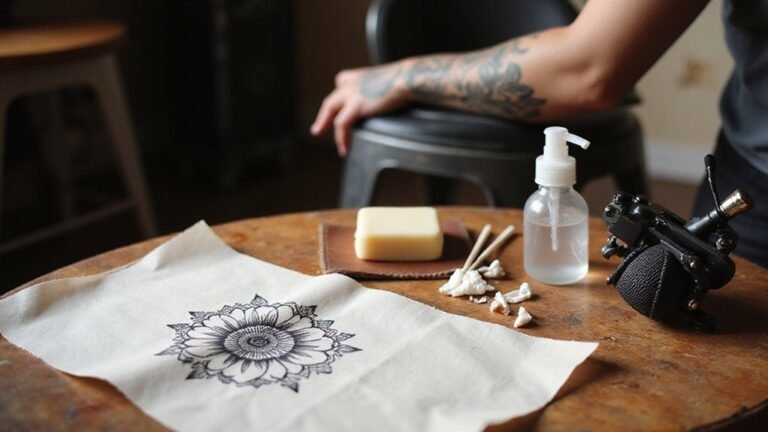

If you’ve wondered whether you can see white ink over black tattoos, the answer is yes, but with some important limitations. White ink doesn’t fully cover or brighten black ink; instead, it lightens it slightly.
This creates a muted gray or soft highlight that tends to fade faster over time.
This means that achieving a solid white look over black ink is unlikely. Instead, white ink works best for subtle details or highlights that add a softer touch to your existing tattoo.
Keep reading to understand how this works and what to expect.
Can White Ink Fully Cover Black Ink or Just Lighten It?
White ink cannot fully cover black ink; it only lightens it. Its opacity is naturally low, making it translucent rather than solid. As a result, the black pigment underneath remains visible, dominating the visual outcome. Instead of delivering pure white coverage, white ink produces a lighter, muted, grayish tone. The degree of lightening depends heavily on your skin tone and the density of the black tattoo. Highly saturated black areas won’t hide beneath white ink; they’ll only appear softened. Expect a muted contrast rather than full concealment. To achieve even this muted effect, the white ink must be packed in using a method where the artist deposits ink using a concentrated deposit technique. Think of white ink as a way to subtly diminish the darkness, not eliminate it. It provides a visual contrast shift, not a true cover-up. However, when white ink is freshly packed over heavy black ink, it can reduce black intensity by roughly 15-20%, but this effect often heals into a splotchy, dingy appearance due to the complex layering of pigments. This outcome is further complicated by the fact that tattoo ink is a suspension of pigment particles in a carrier solution, which affects how layers interact beneath the skin. These interactions are also influenced by the specific chemical composition of the pigments, which determines how each layer settles and reflects light.
What Actually Happens When You Tattoo White Over Black?
When white ink is applied over black ink, they don’t simply sit like separate paint layers. Instead, both pigments land in the same dermal layer and blend together. Because of how tattoo pigments behave and color theory, the darker black dominates the mixture. The translucent white cannot overpower the black’s density, so the end result isn’t a crisp white design. Instead, it appears muted gray or off-white, as the black filters through the white. Notably, this blending effect is similar to how derma stamp vs roller tools both penetrate the same skin layer to deliver pigment, yet the deeper tool can cause more damage. The overall quality of the final result also depends on the pigment grinding process used during manufacturing, which determines particle size and consistency. Initially, the white seems brighter and creates high contrast, but this can be misleading. The white doesn’t truly sit on top; it effectively lightens or softens the black. The effect can give a glare or subtle glow, but in reality, the black pigment remains the dominant visual element. This phenomenon occurs because the needle deposits both colors into the same dermal layer of the skin, where they physically combine rather than stacking. When you see a white over black tattoo, what you’re really seeing is black pigment that has been partially masked or muted, not a true white overlay.
How White Over Black Looks Fresh vs. Healed
Once healed, white ink appears more subdued, often turning into a soft gray, off-white, or muted highlight. The contrast you see immediately after your session is largely temporary due to swelling and redness, which make the ink look more opaque. This gives the illusion of a bright, crisp white, but it’s just a fleeting effect. Much like red light therapy benefits, the initial results are often more dramatic than the long-term outcome. A similar principle applies when preparing a surface for adhesion, where proper surface preparation ensures a more lasting and realistic result.
As the skin heals and inflammation subsides, the white ink blends more seamlessly with your skin tone, resulting in a subtle, understated appearance. The black ink underneath remains visible, so the white doesn’t fully cover the area; instead, it lightens it. Up close, the faded white may resemble shading rather than a stark white design, and from a distance, it often looks more subtle and natural. Successful application relies on techniques similar to a seamless wig cap to ensure the surface is prepared for optimal results. Expect the initial bright, fresh look to fade over time, losing contrast especially in areas with more sun exposure, leaving behind a muted highlight that can resemble skin tone or soft shading.
Why Does White Ink Over Black Fade So Fast?
White ink fades quickly over black primarily because it has inherently low pigment density, making it less durable than the black pigment beneath. The white particles are larger and less evenly dispersed, which means they don’t adhere or hold up as well as black’s stable carbon-based pigments. Your immune system also targets white ink more rapidly, clearing out these lighter, lower-density particles and making the fading more visible over time.
UV exposure is a major factor accelerating white ink’s deterioration. Ultraviolet rays break down the titanium dioxide in the ink, causing it to shift from bright white to yellow or gray. Poor dispersion during application can leave gaps where black ink shows through, speeding up the appearance of fading. Additionally, your skin tone and contrast can make white ink look washed out, even if some pigment remains. Effective aftercare routine is essential to prolong the appearance of the tattoo. The multiple sessions often required to achieve bold coverage add stress to the skin and can contribute to uneven healing and faster fading.

FRAGRANCE FREE TATTOO AFTERCARE FOR SENSITIVE SKIN - The same #1 artist recommended Hustle Butter formula, now with no added fragrance, dyes, or parabens. The unscented tattoo lotion of choice for sensitive or easily irritated skin.

🌿 VIBRANT COLOR & DEEP MOISTURE - Crafted with nutrient-rich a&d ointment, our balm deeply hydrates freshly inked skin. It supports your natural moisture barrier, keeping body art and microblading looking bold and beautifully vibrant.

FRAGRANCE FREE TATTOO AFTERCARE FOR SENSITIVE SKIN - The same #1 artist recommended Hustle Butter formula, now with no added fragrance, dyes, or parabens. The unscented tattoo lotion of choice for sensitive or easily irritated skin.
Which White Inks and Techniques Give the Best Coverage?
High-opacity white inks like Dynamic, Eternal, or Intenze Snow White provide the best coverage over black. They contain a higher pigment load, which ensures sharper contrast and more solid highlights. For optimal results, apply the white in dense, solid lines or filled areas over uniformly saturated black ink. Loose or uneven strokes won’t produce the same level of opacity or coverage. Beginners should also consider the right wig cap to ensure a stable surface for tattooing. For lasting results, it is important to maintain proper aftercare to prevent the white ink from fading prematurely. Color blending significantly diminishes with weaker whites, so use brands designed for blackout effects. Dynamic white, for example, can often outperform black ink in a single session, offering superior coverage and brightness. To maximize ink durability, deposit the white evenly in compact areas, avoiding irregular textures that can break up the pigment. Multiple passes may be needed if your initial layer lacks visibility, but matching the right white with appropriate technique guarantees more visible, long-lasting results.
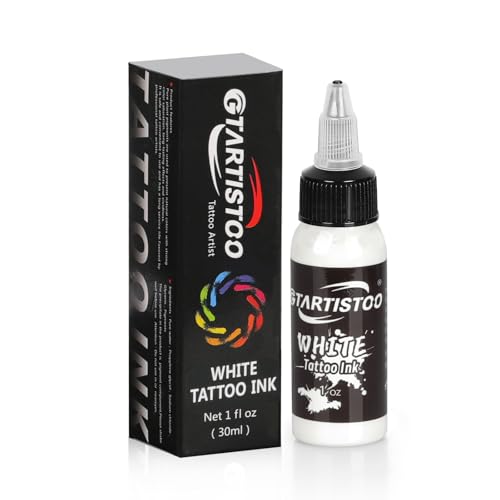
🤍Professional-Grade Tattoo Ink: This tattoo ink is designed for professional tattoo artists and studio use, suitable for highlighting, mixing, and detail work in tattoo designs.

MADE IN THE USA SINCE 1990 — For over 30 years Dynamic Color has produced professional tattoo ink in the United States, an established American brand artists built their work on long before most imported labels existed.

MADE IN THE USA SINCE 1990 — For over 30 years Dynamic Color has produced professional tattoo ink in the United States, an established American brand artists built their work on long before most imported labels existed.
When Should You Laser-Lighten Black Before Adding White?
You should laser-lighten black before adding white to achieve a clean contrast and prevent muddy or grayish results. White ink doesn’t remove dense black; it simply layers over it. Without laser fading, the white may appear murky and lack brightness. Laser impacts the black by breaking it into a lighter gray shadow, providing a more even and lighter base for the white layer to sit on, resulting in a true, bright white.
Laser-lightening is especially necessary if the black area is heavily packed or densely saturated. Proper skin preparation via laser ensures the white ink can stand out clearly without needing multiple passes. Over-application of white ink can cause uneven texture and poor blending, so starting with a laser-faded base reduces the number of white passes needed. This preventive step helps avoid the common trap of needing more ink to achieve darker saturation, which can lead to muddiness instead of crisp contrasts. For predictable, cleaner white-on-black effects, laser first—particularly when you want perfect clarity and brightness—makes a significant difference. Understanding how tape extensions are safely removed from the skin can inform similar care when preparing a tattoo area for laser treatments.

【Excellent Performance】: The product comes with 1000W energy-efficient power, advanced ND:YAG technology, and three probes accurately cover the three major wavelengths of 532nm, 1064nm, and 1320nm, which can help solve the problem of uneven skin color.
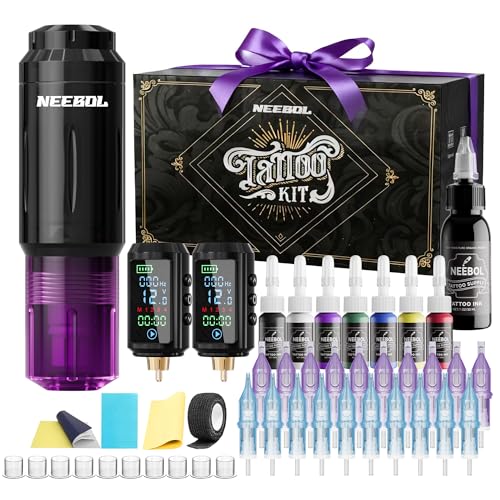
NEEBOL Tattoo Machine Kit with Complete Accessories:This tattoo machine kit includes 1 wireless tattoo gun, 2 x 1600mAh batteries, 20 needles, a large bottle off black ink, a full color ink set, and other essentials—ideal for beginners, apprentices, and professionals seeking a maquina para tatuar.

This tattoo kit have two Dragonhawk tattoo machines for lining & shading and friendly beginner start tattooing life, Cast iron tattoo machine 10 wrap coils. Made of superior composite material, the spring is high-elastic and anti-fatigue for long-time working, made of copper coils.
Which Black Tattoos Work Best for White Ink Over Black?
Bold blackwork tattoos with clean negative space, such as solid shapes and open skin areas, work best for white ink overlays. These designs provide strong contrast, allowing white ink to act as a highlight without competing with crowded details. Black-and-grey tattoos with softer shading and mid-tone gradients also offer enough space for white ink to stand out during layering. Large geometric black tattoos with symmetrical, open layouts are another excellent choice; they serve as visual dividers or accents. To achieve a professional finish, you need to consider the top picks for quality that match your specific design and skin type, just as you would when selecting a display piece. Avoid dense, illustrative styles or complete blackout coverage. Instead, opt for broad black fills combined with intentional skin breaks. Smooth, uncluttered surfaces ensure that white details stay visible and crisp after healing. Preparing your skin with proper hydration and avoiding sun damage before the session helps the overlay adhere more evenly and maintain its brightness. This process is similar to ensuring a clean surface for tape-in extensions, as both require a smooth, well-prepared base for the best adhesion and visibility.
How Do Artists Layer White Ink to Make It Show Up Better?
To make white ink stand out better, artists layer it gradually rather than applying it all at once. They start with thin white passes on the skin, avoiding heavy, single layers. This approach minimizes skin trauma and reduces blowout, which is when pigment spreads beneath the skin causing blurry lines. Each pass builds opacity over healing, so you should wait for the area to heal before adding more layers. This allows you to assess how much white remains, ensuring the pigment saturates properly over multiple sessions. Additionally, contrast planning enhances visibility: placing white against darker inks makes it appear brighter and more vibrant. Focus white ink as small highlights rather than broad coverage, reserving it for precise accents. Using sharp, clean tools is essential to prevent muddying the white and achieving crisp results. Some artists incorporate subtle color blending, like a hint of light blue, to boost the long-term brightness of white ink. Overall, deliberate layering, patience, and strategic placement maximize white ink’s visual impact. Artists can also dilute white ink to reduce vibrancy for background elements, similar to how distant trees are pushed back in a drawing. Applying a wig cap before a tattoo session is unrelated to ink layering but is critical for preparing the scalp for proper skin tension and clean application. The specific needle type used for layering white ink can also affect pigment saturation and final clarity. Artists often use a firm foundation of healed ink before layering white, much like how tape hair extensions require a clean, secure base to ensure the adhesive bonds properly and the extensions stay in place.

Premium Tattoo White Ink – Allegory White is a smooth, consistent blend of liquid dispersed pigment. Many of the most popular tattoo artists around the globe uses Allegory White Ink for mixing, shading, and highlighting work.


MADE IN THE USA SINCE 1990 — For over 30 years Dynamic Color has produced professional tattoo ink in the United States, an established American brand artists built their work on long before most imported labels existed.
How Many Sessions Does It Take to Build White Over Black?
It typically takes 3 to 5 sessions to build white over black enough to achieve visible opacity. Each session adds layers of white ink, which is necessary because white fades faster than other colors and the black background requires regular reinforcement. Expect at least 2 to 3 weeks between sessions to allow the skin to heal fully, but many artists recommend waiting 2 to 3 months for optimal results. Rushing the process can compromise the ink’s retention, often leading to additional touch-ups or even more sessions. Larger blackout projects can extend this timeline over several months, making it a slow and costly process, but essential for durable, vibrant white tattoos over black ink. For those looking to maintain coverage, exploring top tape extensions can help with aftercare.

Widely Used: Our tattoo film has grid lines on the backing paper, which can be cut into different sizes according to requirements. The size of the film is 6 inches x 8 yards, including 3 layers, namely PET backing, PU film and release paper. Soft and stretchable, which makes it fit perfectly anywhere in the body

🎁WHAT’S INCLUDED - 3 Rolls, 3 Sizes – (2"x2yd, 4"x2yd, 6"x2yd) for any tattoo size, from delicate linework to full sleeves. Cut freely for custom shapes! Total 19.6ft – Ample length to cover multiple sessions or large pieces. Ideal for artists stocking aftercare kits.

【Great Value 3-Rolls】It contains 3 sizes waterproof tattoo film (2,4,6 inches x 2.2 Yard). Our tattoo film backing paper has printed grid lines for easy size cutting, ensuring a perfect fit on any tattoo area.
What Realistic Expectations Should You Have for White Over Black?
Your **healed outcome for white ink depends heavily on how your skin heals. The bright white initial appearance will soften and dull over 4 to 6 weeks, blending into a more muted overlay. Expect a subtle**, softened look rather than a dramatic transformation. White ink tends to fade faster than other colors and may yellow over time. The best result is a pale, visible detail that enhances your design. However, you could also end up with muddy gray or barely noticeable marks. Plan for gradual improvement over time, and understand that full coverage or a stark white look is unlikely.