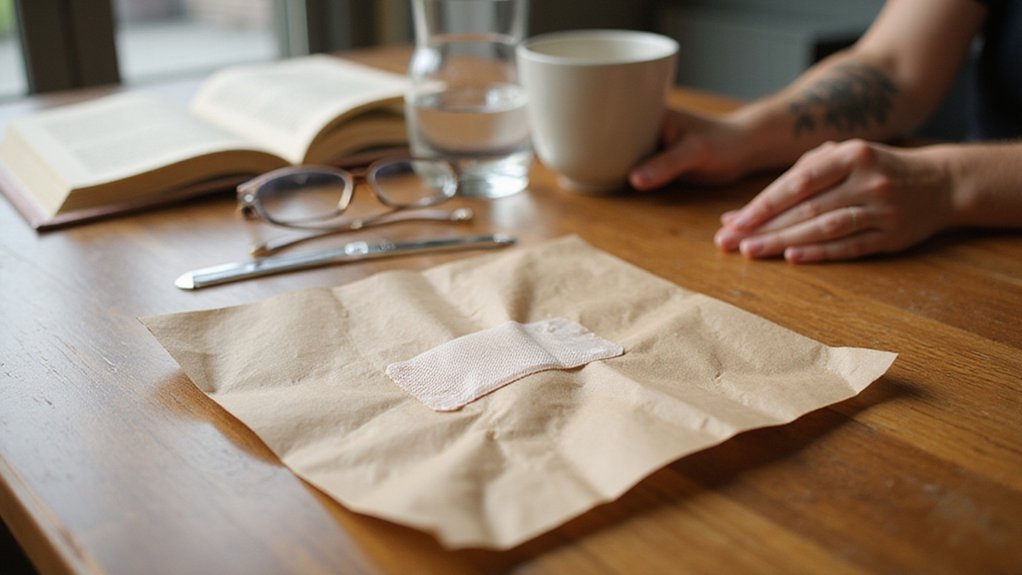
Wondering how long to keep a tattoo bandage on? The answer depends on the type of wrapping you have.
For example, plastic wraps should come off within a few hours.
While modern adhesive films like Saniderm can stay on for several days.
Knowing when to remove your bandage is key to proper healing, and the instructions below will guide you through the process.
How Long Should You Keep a Tattoo Bandage On?
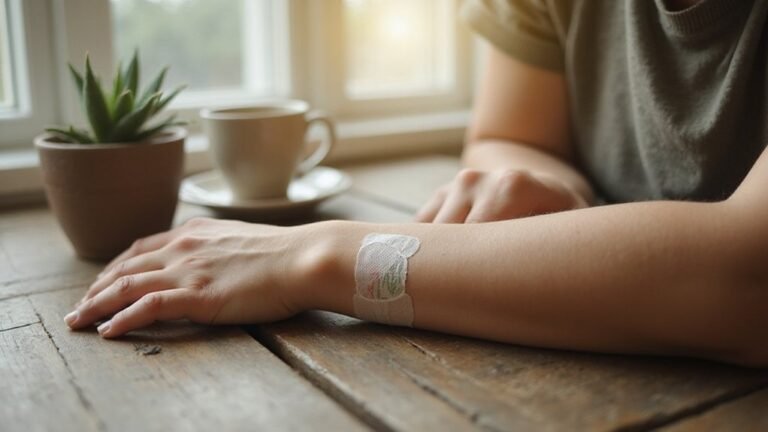
The ideal time to keep a tattoo bandage on depends on the type of covering used. For clear adhesive films like Saniderm, you should keep the first application on for 8 to 24 hours. Afterward, replace it with a new piece and continue wearing it for up to 6 days, but never exceeding a total of 7 days. Regular wraps, which are not sterile, typically come off within 1 to 4 hours and serve only as short-term protection. You should remove any bandage earlier if it leaks, lifts, or causes irritation to your skin. After removing the bandage, wash your tattoo with mild soap and pat it dry to ensure proper healing and hygiene. These films provide a sterile barrier that reduces scabbing and speeds recovery, similar to how derma rollers claim to boost skin repair. Tattoo ink is made from pigments and a carrier solution that must be sterilized to prevent infection. Choosing the right aftercare covering is similar to weighing tape extensions vs clip-in methods, where the longer-lasting option often requires more careful application and maintenance.
Plastic Wrap Bandages: Remove in 1–4 Hours
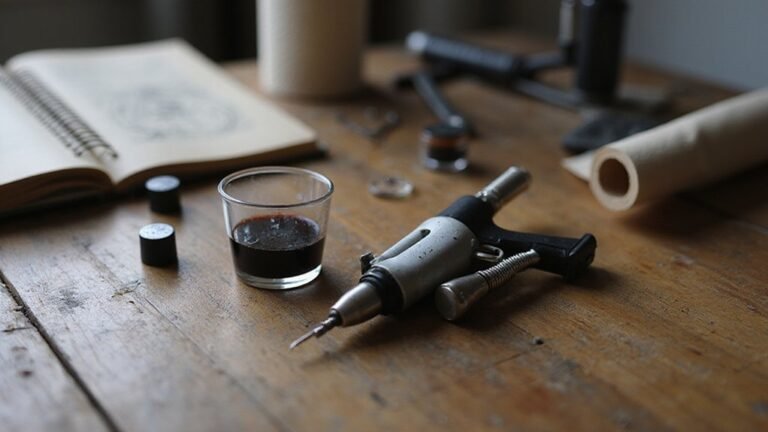
Removing plastic wrap bandages within 1 to 4 hours is recommended. Leaving the wrap on too long traps moisture, which can invite bacterial growth and slow down healing. To take it off, use warm water to gently loosen any stuck areas. Follow up by washing the area softly with fragrance-free soap and patting it dry—never rub, as that can damage the skin. After removing the wrap, allow your tattoo to breathe. Your role is to keep it protected from dirt and friction without the barrier of the plastic wrap, which can impede the healing process if left on too long. Proper aftercare involves following safe removal steps to ensure the skin remains undamaged. For a more effective approach, consider using a professional tattoo machine setup to ensure the initial application is clean and precise. For longer wear, tape-in extensions offer a reusable option that requires careful removal and storage to maintain their adhesive quality.
Saniderm and Second Skin: Leave On for 3–6 Days
You should leave Saniderm or Second Skin bandages on for 3 to 6 days. This extended wear time helps support healing by keeping the tattoo in a sealed, moist environment. The exact duration depends on how your tattoo heals: minimal fluid buildup indicates it can stay on longer, up to six days. A second piece that remains intact for this period is ideal for optimal healing. Factors like excessive sweating can cause the bandage to lift and shorten the wear time. Before you reapply the bandage, wash and dry the tattoo thoroughly. Throughout the wear time, monitor your tattoo closely. If you notice increased weeping or that the bandage is lifting, it’s best to shorten the time to 3–5 days. Similar to how tape extensions rely on a secure adhesive bond, the bandage must stay fully adhered to protect your skin. It’s important not to push the bandage beyond its capacity to stay adhered and protect your skin. For best results, follow your tattoo artist’s instructions for aftercare.
4 Signs Your Tattoo Bandage Needs to Come Off Now
If your tattoo bandage shows signs of trouble, it needs to come off immediately. Look for leakage or seal failure, such as fluid dripping or a punctured wrapper, which indicates bacteria can enter and cause infection. Excess fluid buildup appears as a cloudy, balloon-like pocket under the bandage, meaning it has absorbed too much moisture and the healing process could be delayed. This excess fluid can also create a barrier that prevents the micro-needling process from allowing the skin to breathe properly, which is essential for recovery. Skin irritation, persistent redness, itching, or a rash also calls for prompt removal to prevent further damage or allergic reactions. Lastly, any foul odor, yellow or green discharge, increased pain, or signs of fever suggest infection and require immediate bandage removal along with medical attention. Acting quickly on these signs helps prevent complications and supports proper healing of your tattoo.
What Happens If You Leave a Tattoo Wrap On Too Long?
Leaving a tattoo wrap on too long can cause several problems. Excess moisture gets trapped under the cover, leading to a sticky mess that clogs pores and softens your skin. This maceration increases skin sensitivity and makes your skin more vulnerable to damage. You may notice bright red rashes, tiny pimples, or painful itching as your skin reacts to the prolonged cover.
The humid environment inside the wrap promotes bacterial growth, significantly raising the risk of infection. Fluid pooling beneath the wrap further speeds up this process. Additionally, reducing airflow delays the natural healing process, leaving your tattoo in a wet, contaminated state instead of allowing it to dry and seal properly. Removing the wrap on time is crucial to prevent these issues and support healthy healing.
How to Remove Your Bandage and Start Healing
Once your tattoo’s bandage is removed, proper cleaning is essential for healthy healing. Begin by washing your hands thoroughly to prevent infection. Carefully peel the bandage back over itself, pulling slowly and gently in the direction of hair growth to avoid damaging the skin or causing pain. If the adhesive is stubborn, use warm water to help loosen it, supporting the skin nearby to reduce discomfort. After removing the bandage, wash the tattoo with a mild, fragrance-free soap to clean away any residue. Gently pat it dry with a clean paper towel, then let it air dry for a few minutes before applying the recommended aftercare ointment or lotion. For any leftover adhesive, use a gentle oil-based remover to break down the residue without irritating the fresh wound. Alternatively, you can consult a professional about homemade tattoo machine techniques for proper tool sanitation, though this is not a substitute for medical advice on bandage removal. Similar to how LED light masks can support skin rejuvenation, proper aftercare accelerates your tattoo’s healing.
Support your healing process by staying hydrated and consuming nutrient-rich foods, which help your body recover more effectively. During this initial period, avoid exposing the fresh tattoo to direct sunlight, as UV rays can damage the skin, lead to irritation, and impair healing. Proper initial care sets the foundation for a healthy, vibrant tattoo long-term.