
Worried about getting poisoned from a tattoo ink? Most of the time, that’s just a myth. Properly done, regulated tattoo inks are safe and non-toxic when injected into your skin.
What you really need to watch out for are infections or allergic reactions, which are more common concerns. Keep reading to find out how to recognize genuine risks — and what to avoid.
What Exactly Is “Ink Poisoning” and Why Isn’t It a Real Diagnosis?
Ink poisoning is not a real medical condition. The term is often used informally, but it does not describe an actual poisoning process from tattoo ink. Most of the time, people refer to swallowing writing ink, which is generally harmless in small amounts because it is made to be non-toxic. However, when it comes to tattoo ink, the ink is injected into the skin’s dermis layer, not ingested. This means your body’s reaction—such as swelling, redness, or irritation—is not poisoning but an allergic response to certain pigments. Unlike a derma roller, which creates micro-injuries to stimulate collagen, tattoo needles deposit ink directly into the dermis, making adverse reactions a matter of immune response rather than toxicity. Proper application technique, including the use of stencil tattoo paper for precise design transfer, can help minimize skin trauma and reduce the likelihood of adverse reactions. The type of ink and its color influence the reaction. Red pigments are more likely to cause allergic reactions, while black ink tends to be less problematic. These reactions look similar to irritation or inflammation, not poisoning. Medical professionals classify these responses as contact dermatitis or localized inflammation, not ink poisoning. If your tattoo area feels inflamed or uncomfortable, it’s important to look for signs of allergic reactions or infection, rather than blame “ink poisoning.” Expert guidance emphasizes that tattoo ink safety depends on the quality of pigments used and proper aftercare.

MADE IN THE USA SINCE 1990 — For over 30 years Dynamic Color has produced professional tattoo ink in the United States, an established American brand artists built their work on long before most imported labels existed.

Professional grade black tattoo ink formulated for smooth consistent flow and clean line work

【tattoo ink sets professional Rich Color】This set contains 14 colors of tattoo ink, each bottle of tattoo ink capacity of 30ml. Meet your use needs
Signs Your Tattoo Problem Is an Infection, Not Ink Poisoning
Infection signs usually appear after the first week and are characterized by worsening redness, warmth, and swelling that do not improve over time. If these symptoms spread beyond the tattoo’s borders or worsen instead of getting better, it indicates an infection. Increasing pain that throbs or becomes sharp rather than diminishes is another warning sign. Pus, yellow-green drainage, or open lesions signal a more serious problem and require immediate attention. Be cautious not to confuse mild flaking or clear oozing, which are common during normal healing, with signs of infection. If you experience fever, chills, red streaks extending from the tattoo, or swollen lymph nodes, seek urgent medical care. Persistent or intensifying symptoms beyond a week should be evaluated by a healthcare professional. Ensuring your wig cap fit is secure and comfortable can help prevent irritation that might be mistaken for a tattoo reaction. Understanding how sterile manufacturing practices prevent contamination can clarify why properly made ink, composed of pigments and a carrier solution, rarely causes poisoning.
Allergic Reactions to Ink: How They Look and How Common They Are
Allergic reactions to tattoo ink are much more common than ink poisoning and typically stay localized to the tattoo area. You may notice redness, swelling, and intense itching where the ink was applied. These allergic skin reactions can resemble eczema, with scaly patches, small bumps, or blisters that leak fluid. Red ink is the most common trigger for tattoo ink allergies, but reactions can occur with any color. Symptoms might appear days, weeks, or even years after getting inked. Usually, the reaction follows the shape of a single color patch, while the rest of your tattoo remains unaffected. Most reactions are limited to the skin, meaning no whole-body symptoms develop. However, severe reactions like hives or breathing difficulties are rare but require immediate medical attention. The idea of systemic ink poisoning is a myth, while localized allergic reactions are the real risk to consider. This is in contrast to microdermabrasion tips diamond treatments, which exfoliate the outer skin layers and carry their own set of localized skin reactions and aftercare guidelines. For comparison, a high frequency wand delivers mild electrical currents to the skin, targeting bacteria and inflammation rather than addressing allergic reactions to ink.
When Could Ink Poisoning Become a Real Threat?
Ink poisoning becomes a genuine threat when you use unregulated, counterfeit, or industrial inks that may contain heavy metals like lead or cadmium. These substances can be dangerous if they enter your bloodstream through skin contact or ingestion, especially during tattooing or when handling contaminated ink. DIY stick-and-poke tattoos with pen or marker ink significantly increase your infection risk because these inks are not sterile and may harbor bacteria or mold. Properly holding a tattoo machine at the correct angle and depth helps prevent pushing contaminated ink too deep into the dermis.
Contaminated ink—even in sealed bottles—can cause infections marked by redness, swelling, or fever. Bacteria or mold can grow in the ink if it’s stored improperly or becomes contaminated during use. The danger escalates when you experience symptoms like rapid spreading redness, increased swelling, warmth, pus, or fever, which indicate an infection rather than simple irritation. These infections threaten not just your skin but can lead to more serious health issues if untreated. Regulatory gaps in testing mean some inks contain unlisted ingredients linked to long-term health concerns.
Your artistic expression is not safe if you use non-sterile tools or poor techniques. The risk of ink poisoning or infection rises with large-scale or repeat tattoos, especially during removal procedures that can break down pigment particles and increase toxin release into your tissue. Always choose a licensed tattoo shop that follows strict sterile practices to reduce these genuine health threats. In addition, research suggests that some tattoo inks can contain unlisted heavy metals that may accumulate in the body over time.

100% new brand and high quality. Favored among professional tattoo technicians.

Achieve Artistic Precision: Xtreme Tattoo Ink Whitewashes provide the perfect tools to add depth, dimension, and stunning highlights to your tattoo designs, helping you achieve professional precision.

Tattoo ink Renowned for its smooth flow characteristics, our inks are designed to excel in any tattooing task—from intricate detailing to outlining and shading
What Toxins Have Been Found in Unregulated Tattoo Inks?
Unregulated tattoo inks often contain dangerous toxins, including heavy metals like chromium, nickel, lead, and arsenic. Many inks exceed safety limits for these toxic substances, increasing the risk of chemical exposure. Arsenic, in particular, is a consistent concern due to its toxicity. Carcinogenic aromatic amines, such as toluidine, have been detected in multiple inks, raising health alarms. Over 80% of black inks are contaminated with polycyclic aromatic hydrocarbons (PAHs), which are known carcinogens. Bright-colored inks frequently contain high concentrations of metals like titanium and copper, which can pose additional health risks.
Furthermore, unlisted additives such as polyethylene glycol and propylene glycol appear in these inks, often at higher levels than disclosed. Ingredient labels tend to be inaccurate or incomplete, so you might be unknowingly exposing yourself to hazardous chemicals. Besides pigments, these inks form a chemical cocktail with multiple health risks, emphasizing the dangers of using unregulated tattoo inks.

100% new brand and high quality. Favored among professional tattoo technicians.

【Tattoo Ink 14 Color Set】: Tattoo ink Set featuring 14 rich and vivid colors, brings a splendid creative experience to your tattoo artistry. Colors include true black, bright red, snow white opaque, etc. 14 colors

Canary Yellow Professional Tattoo Ink - Super bright, pure yellow with high opacity. Great for every skin tone, blending with other colors to change the value. Many of the most popular tattoo artists around the globe turn to World Famous' bold, beautiful tattoo ink, tattoo supplies & tattoo kits to deliver a flawless work of art.
How Tattoo Ink Actually Behaves Once It’s Inside Your Skin
Once tattoo ink is injected into your dermis, it becomes anchored by collagen fibers and connective tissue. This is why tattoos last for years instead of fading away with your skin’s natural shedding cycle. The dermis provides a stable environment that prevents the ink from sloughing off like it would in the epidermis. Your immune system responds immediately by sending macrophages to the area to engulf the pigment. However, these cells can’t fully clear the particles because they are often too large or resistant. Instead, the ink particles get trapped inside macrophages or embedded between collagen fibers, keeping the pigment localized. This process relies on the dermis being composed of dense irregular connective tissue with collagen fibers arranged in multiple directions for strength. When considering additional procedures like microneedling, it is important to wait for full skin recovery after the tattoo heals to avoid overworking the dermis. Understanding how a derma roller works can help you time such treatments safely by promoting collagen production without disrupting the ink. Similar to how tattoo pigment remains lodged in the skin, removal tape can leave adhesive residue if not lifted with proper technique.
Over time, some of the ink may shift deeper into the reticular dermis, which can cause the tattoo to fade or blur. Additionally, tiny particles can enter your blood vessels and travel to your lymph nodes. Your immune system constantly captures, releases, and recaptures the ink—meaning the pigment is not fully digested but kept in a cycle of containment. This continuous process helps your tattoo remain visible for years, even as some migration and fading occur naturally over time.
Why Stick-and-Poke and Homemade Tattoos Carry Higher Risks
Getting a stick-and-poke or homemade tattoo carries significantly higher risks because maintaining sterility at home is nearly impossible. Without proper sterile techniques, bacteria and viruses can easily enter through broken skin, leading to infections like staph, cellulitis, or hepatitis B and C. Sharing tools further increases the risk of transmitting bloodborne diseases and tetanus. Even when using professional equipment, a thorough understanding of tattoo machine setup is essential to minimize skin trauma and infection risk. For comparison, improper removal of hair extensions can also cause skin damage, so following safe tape extension removal steps is crucial to avoid trauma.
The ink used in these DIY settings is often unsafe; many people use pen ink or cheap online inks contaminated with bacteria, which can cause severe allergic reactions or skin infections. Technique errors, such as poking too deep into the skin, can result in blowouts and permanent scarring. Since amateur methods lack professional training, you’re exposing yourself to contaminants and unpredictable chemical reactions. For beginners, choosing the right equipment, like the best wig cap, is a far safer concern than attempting homemade tattoos. These dangers should not be underestimated—homemade tattoos skip every safety precaution that professionals follow.

How to Choose a Safe Tattoo Artist and Ink Before Your Appointment
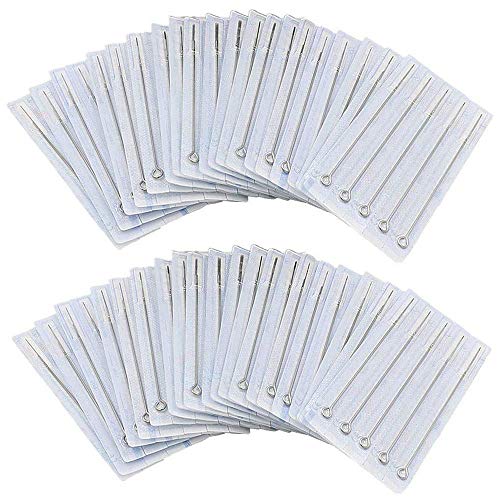
Check their portfolio thoroughly, focusing on healed work photos rather than just fresh tattoos. Seeing how a tattoo looks after several weeks shows how well the artist’s work ages and whether they prioritize quality. Read independent reviews on platforms like Google or Yelp, paying close attention to comments about cleanliness, professionalism, and overall customer experience. If the studio cannot clearly explain its regulatory status or health standards, it’s safest to find another artist. Understanding what tattoo ink is chemically made of helps you ask the right questions about pigment safety and potential allergic reactions. Your safety and satisfaction hinge on these initial research steps. Additionally, when visiting the studio, check that the artist uses hospital-grade disinfectants and disposable needles to prevent bacterial contamination. Consider how the artist’s aftercare advice compares to standard healing protocols, as proper guidance reduces infection risks just like choosing the right method for hair extensions does for scalp health.
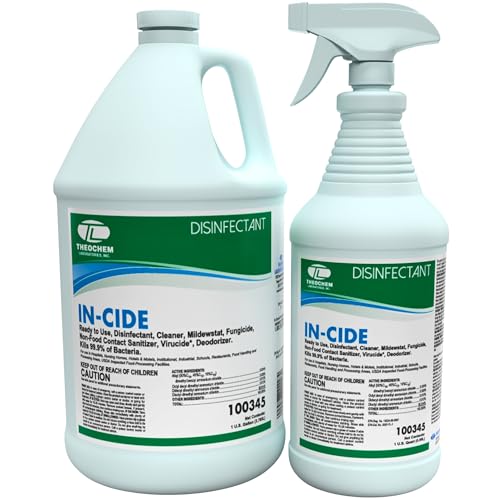
EPA-List N Registered Hospital-Grade Disinfectant: Kills 99.9% of viruses & bacteria, including MRSA and influenza - trusted by hospitals, schools, and janitorial services for professional-grade cleaning that's safe for your home

EPA REGISTERED HOSPITAL-GRADE DISINFECTANT CLEANER: Kills 99.9% of viruses and bacteria including norovirus, MRSA, E.coli, influenza, hepatitis B and canine parvovirus
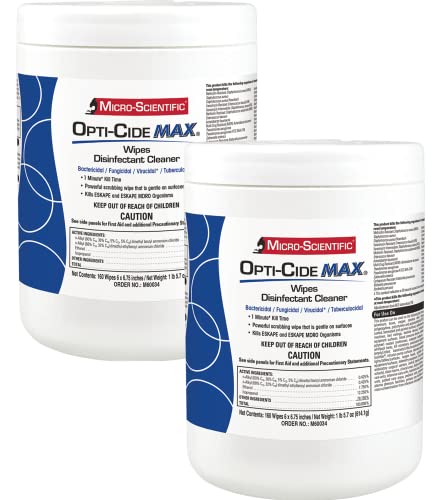
DISINFECTANT AND CLEANER – Kills 99.9% of viruses and bacteria when used as directed
The Real Risks: Infection, Allergic Reaction, or Ink Poisoning?
Infection and allergic reactions are much more common health risks from getting a tattoo than ink poisoning. Infection is the most immediate danger—you can introduce bacteria through contaminated ink or poor hygiene practices during the tattooing process. Signs of infection include redness, swelling, pain, warmth, and sometimes pus, which can interfere with proper healing and may lead to more serious complications if not treated promptly.
Allergic reactions are another significant concern. These are often triggered by specific pigments in your ink, rather than the ink itself. You might develop a rash, swelling, or granulomas days, weeks, or even months after your tattoo has healed. Reactions can become persistent if you are hypersensitive to certain metals or dyes present in the ink. While ink poisoning itself is very rare, ensuring sterile procedures and monitoring for signs of infection or allergy during healing are essential to avoid complications.
When to Call a Doctor or Poison Control for Ink Poisoning Symptoms
Seek urgent medical attention immediately if you experience a high fever, chills, or shaking after getting a tattoo, as these can indicate a serious infection rather than ink poisoning. Redness, swelling, itching, papules, or blisters at the tattoo site are common allergic reactions; contact your doctor promptly to get appropriate treatment. If you notice symptoms such as headache, nausea, vomiting, or widespread skin irritation, call Poison Control or your healthcare provider without delay, since these could signal a more severe ink exposure reaction. Do not wait weeks or even years—delayed reactions are possible and may still require diagnosis and treatment. In cases of severe, rapidly worsening swelling, vision issues, or difficulty breathing, head straight to the emergency room. Keep in mind that tattoo removal procedures, especially those involving laser fading, can also trigger these symptoms if they disturb old ink pigments.