Wondering if tape extensions can harm your hair? The truth is, they can, but mostly it’s due to how they’re applied, maintained, or removed.
Ripping them out can pull strands from the root, risking damage like traction alopecia. Heavy tapes can also strain fine or chemically treated hair, leading to thinning.
Keep an eye out for signs like scalp sensitivity or tangling—these can help you prevent damage before it gets worse.
4 Ways Tape Extensions Can Damage Your Hair
Improper removal of tape extensions can cause significant damage to your hair. Leaving adhesive residue behind during removal leaves sticky buildup that drags your strands and leads to tangling and matting. This buildup can trap styling products against your hair, which accelerates color fading and dulls your overall look. Additionally, tension at the bond area can create breakage if tapes are too heavy or left in too long. Over time, this stress causes the bonds to slip, shifting weight and putting extra strain on fewer hairs, resulting in snapping or stretching. Scalp irritation is another risk, especially if the adhesive bothers your skin or if the tape is placed too close to your hairline. This trapping of sweat and debris can cause soreness and discomfort. Furthermore, individuals with fine, thin, or fragile hair may not safely support the weight of extensions, increasing damage risk. Applying too much tension during installation can mimic the stress of a tight lace front, lifting natural hair from the root. A similar principle of excessive force can cause breakage and snapping in the hair fibers. Unlike the controlled micro-injuries used by a derma roller to stimulate collagen, extension damage relies on mechanical friction to weaken the hair shaft. Lastly, neglecting daily care causes tape tabs to stick together, forming mats. Rough brushing or sleeping with wet hair worsens tangling, making it essential to carefully separate bonds after washing to prevent friction and damage.

Perfect for Tape-in Hair Extensions Removal: Specifically designed to effectively remove tape-in hair extension glue while being gentle on your hair and skin, ensuring a safe and easy removal experience

Easily Remove: WENNALIFE tape remover comb features ultra-fine rounded stainless steel teeth to gently remove sticky tape residue without pulling or damaging hair. Helps effectively remove adhesive residue from hair, leaving it smoother and cleaner after use

FAST-ACTING HAIR EXTENSION REMOVER: our hair tape in extension remover solvent is specifically designed to quickly and easily remove hair extension glue while being gentle on your skin and hair. Our oil-based rapid remover is suitable for sensitive scalps and will get your hair extensions to tape out without any pulling or damage. our adhesive tape in remover is formulated using citrus oils and extracts that will work on any style of tape in extensions or soft bonds
How Tape Stress Causes Traction Alopecia Damage
Tension from tape extensions can directly cause traction alopecia, a type of hair loss resulting from persistent pulling on hair follicles. This tension isn’t random; it targets specific hairs at their roots, especially when the adhesive bonds are too tight or heavy. Over time, this continuous pulling can weaken and damage the follicles. You’ll often notice hair thinning or loss along the hairline and temples first, as the finer hairs here are more vulnerable. The constant strain disrupts the hair’s natural growth cycle, leading to increased shedding and scalp irritation such as redness or tenderness. To avoid this, always follow step-by-step instructions for proper placement and sizing of the adhesive strips. Regular scalp stimulation can help counteract tension, but only if the root cause is addressed first through safe and effective use of the adhesive bonds. Individuals with fine or fragile hair are at the highest risk for this damage due to their weaker follicle structure.
Warning signs include small bumps, a tight or sore scalp after installation, or discomfort when touching the scalp. These symptoms indicate that the tension exceeds safe limits. Wearing tape extensions repeatedly without giving your hair a break increases the risk of permanent follicle scarring. Once scarring occurs, hair growth in those areas can stop completely. The damage may seem gradual, but it accumulates every day that the extensions remain in place, making it crucial to monitor tension levels and seek professional advice if discomfort arises.
5 Signs Your Tape Extension Damage Is Starting
Signs of damage to your tape extensions often show up before noticeable thinning. Persistent scalp sensitivity beyond 7 to 10 days is a key warning. You shouldn’t experience sharp pain or ongoing tenderness, especially between your appointments, as this indicates irritation or damage. Visible slipping or lifting tapes can shift attachment points, causing uneven tension that stresses your natural hair. Increased tangling at the roots suggests matting around the bonds, another sign of trouble. Unusual shedding or thinning near where the extensions are attached points to tension damage, which weakens your hair’s structure. Finally, hair breakage manifests as snapping, shorter strands, or wider gaps in your hair. Frizz, dullness, and dryness that don’t improve are signs that the hair’s structural integrity is compromised. Spotting these signs early can help you prevent more severe matting or permanent hair loss.

24-hour online service: If you encounter quality issues with our products, please contact us immediately and we will solve the problem for you as soon as possible

GOO GOO Complete Kit: Includes a scraper tool, 10 premium replacement blades, and 6 reusable tape tabs for tape in extension removal and reuse.

【Super Sticky】Hair tape for extensions has super sticky adhesive on both sides and strong stickiness. It is not easy to fall off and can be firmly attached to your hair. The double-sided hair extension tape is suitable for long-term use and can be used for 6–8 weeks.
Which Hair Types Suffer the Most Tape Extension Damage
Fine, fragile, and chemically treated hair suffer the most tape extension damage because they have reduced structural resilience. If your hair is thin or has low density, fewer strands are available to distribute the weight of the tape extensions, which concentrates tension at each bond. This increases the likelihood of breakage around the attachment points. To minimize damage, opt for lighter, smaller wefts that won’t overload your delicate fibers. Understanding the honest risk picture for your specific hair type is crucial before committing to this method. Just as tattoo inks have varying shelf lives and chemical stability, the condition and integrity of your hair determine how well it can withstand the adhesive and weight of extensions. Using a practical at-home method can help reduce the risk of tearing or pulling strands during removal.
Chemical treatments like bleaching, perming, or relaxing weaken the hair’s internal structure. Since these processes remove or alter the cuticle and cortex layers, the hair becomes more prone to snapping and traction damage. Even if your chemically treated hair appears healthy, it’s more vulnerable to damage from tape extensions than untreated strands.
Low-density hair also faces higher risks of damage because force is concentrated in fewer strands. Improper placement or using heavy tapes can cause visible thinning and breakage. Applying conservative density and avoiding heavy attachments is essential to protect your hair’s health and maintain a natural look.

Tapes Specifications & Portable Packaging: Each tape measures 1.6 x 0.3 inches, suitable for most daily uses. Available in 24pcs, 48pcs, 72pcs, 120pcs, and 180pcs, with elegant, lightweight packaging to meet various needs

Premium Remy Human Hair: Made from high-quality Remy human hair, provide a smooth, soft texture that blends effortlessly with your natural hair, ensuring a natural and comfortable look. With proper care, they remain tangle-free and long-lasting.

Strong Adhesive for Secure Hold: GOO GOO replacement tape for tape in hair extensions features a strong, reliable adhesive that keeps your extensions securely in place through all daily activities, washes, and styling sessions.
Why Heavy Tapes Strain Fine Hair Most
Heavy tape extensions, especially those used in sandwich placements, are particularly damaging to fine hair because their weight exceeds what your strands can support. Fine hair’s lower carrying capacity means that heavy tapes place an unnecessary strain on each strand from the start. The sandwich method doubles the mass at each bond, concentrating force on very few hairs, which increases the risk of breakage immediately. You’ll often notice tension at the roots because your hair can’t handle the downward pull. Over time, this persistent stress can lead to traction alopecia, with adhesive tabs acting like micro-clamps that restrict movement and irritate the hair follicles. Choosing lighter extension materials can prevent excessive weight, but heavy tapes are inherently incompatible with fine hair. Additionally, styling techniques such as tight ponytails or rough brushing can intensify the tugging. As your hair grows, the shifting weight pushes more strain to the roots, accelerating damage and weakening the overall health of your strands.

Strong Adhesive for Secure Hold: GOO GOO replacement tape for tape in hair extensions features a strong, reliable adhesive that keeps your extensions securely in place through all daily activities, washes, and styling sessions.

1. Easy Application for Quick Hair Transformations: Pre-taped skin weft tape in hair extensions human hair allow fast installation with the sandwich method, Align and press to secure, Ideal for salon visits, work, events, or photos, giving longer, fuller hair instantly
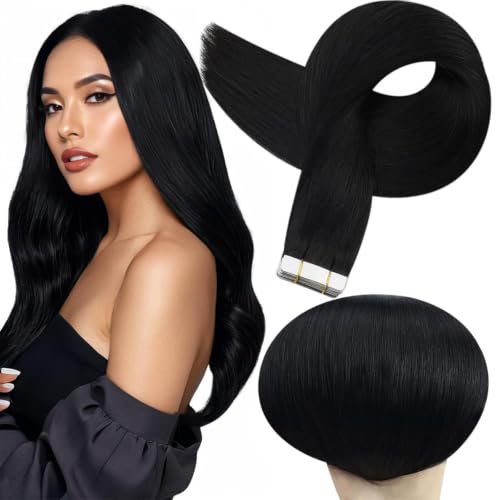
1. Easy Application for Quick Hair Transformations: Pre-taped skin weft tape in hair extensions human hair allow fast installation with the sandwich method, Align and press to secure, Ideal for salon visits, work, events, or photos, giving longer, fuller hair instantly
What a Professional Installation Does Differently?
A professional installation ensures precision and lasting hold by following a meticulous process. It begins with a comprehensive consultation and hair assessment, allowing your stylist to create a personalized plan that minimizes stress on your natural strands. They evaluate hair density and condition, making precise color matches to ensure seamless blending and hide every tab effectively. Knowing exactly how many pieces you need helps keep the distribution even across your scalp. This same careful attention to scalp health is why professionals often recommend using a wig cap as a protective barrier during any extension process.
During the application, stylists section hair horizontally using a bricklaying pattern, which keeps each bond flat and secure. They isolate thin natural segments to use the sandwich method, positioning tapes about a quarter inch from the scalp to avoid tension or visible bulk. This careful isolation and placement prevent uneven pulling and ensure a natural look. This approach also contrasts with sew-in extensions, which require braiding and can pull on the roots if tensions are miscalculated. For at-home users seeking a similar level of precision, using a red and blue light therapy mask can help soothe the scalp and promote healing after any minor irritation from the application process.
To achieve optimal bond strength, your stylist uses medical-grade adhesive and heated tools, applying firm pressure for 10 to 15 seconds per bond. This method results in bonds that are up to 40 percent stronger than DIY options, reducing the likelihood of lifting or slipping. The entire installation typically takes between 30 minutes and two hours, significantly shorter than the three to four hours often spent attempting DIY methods, leaving you with a flat, natural finish that won’t strain your roots.
Why Ripping Off Tapes Is the Fastest Way to Snap Hair
Ripping tapes off is the fastest way to snap your hair because it causes mechanical breakage. When you forcefully pull, hairs that are still glued inside the adhesive bond remain lodged in place and get yanked out. This puts stress right at the root, increasing the risk of traction alopecia—a type of hair loss caused by pulling too hard on the scalp. Without proper removal techniques, you end up pulling out healthy hair instead of releasing the bond cleanly. If your hair is already fragile from treatments like dyeing, the risk of breakage spikes significantly. Repeated tugging can also irritate your scalp, leading to redness and discomfort. The force transferred to the hair shaft creates visible snapping along the tape line, making the removal process damaging and painful. Instead of rushing, loosen the bond gently first to prevent patchy thinning and hair loss, similar to how red light masks offer benefits by supporting scalp health and reducing inflammation of irritated follicles. Just as a tattoo needle must be set at the correct depth to avoid scarring and ensure ink retention, proper tape removal technique requires precise attention to angle and timing to prevent follicle damage. Using a professional remover and gentle oil can help dissolve the adhesive bond safely, preserving the lifespan of your extensions.
6–8 Week Maintenance Schedule for Damage Prevention
Your at-home maintenance routine is crucial for preserving your tape-in extensions. The first 48 hours after application are the most delicate—you must avoid shampooing, water, or heavy sweating to allow the bonds to settle. After this period, use sulfate-free shampoos and conditioners, being careful to keep the products away from the tape area. Washing every 2 to 3 days with lukewarm water and gentle pressure helps prevent buildup and keeps your bonds in good condition. Understanding how tape extensions work reveals that the adhesive bonds are designed to be gentle on natural hair when properly maintained. Additionally, microdermabrasion tips highlight that exfoliating the scalp can improve hair follicle health, which supports the integrity of your natural hair.
Daily brushing is essential; use a loop brush and start from the ends, working your way up to avoid pulling on your bonds. Make sure your hair is completely dry before going to bed to prevent tangling and damage. If you plan to color your hair, keep the chemicals away from the bonds to avoid weakening them. Consistent at-home care not only extends the life of your extensions but also prevents damage to your natural hair roots. Beginner-friendly walkthrough details in the guide can help you master these techniques more easily.

Deep Moisture With Every Wash: Glycerin, panthenol and aloe vera draw moisture into extensions and the natural hair beneath, leaving strands soft, supple and easy to manage

Extension Repair Hair Products
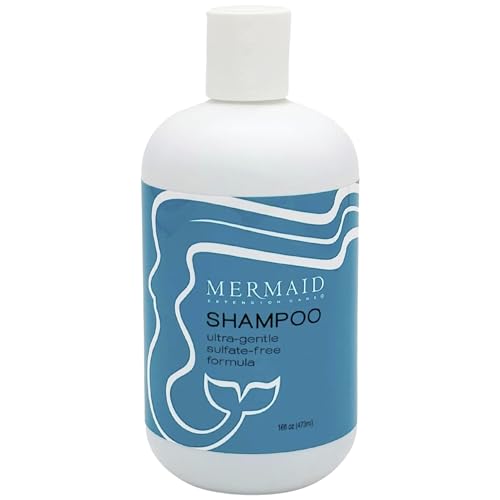
Deep Moisture With Every Wash: Glycerin, panthenol and aloe vera draw moisture into extensions and the natural hair beneath, leaving strands soft, supple and easy to manage
When Your Scalp Needs a Vacation From Tape Extensions
If your scalp needs a break from tape extensions, you should prioritize removing them. Persistent redness, itching, or flaking are signs of irritation caused by adhesive exposure, especially when worn for extended periods. These symptoms indicate that your scalp’s hydration and barrier health are compromised. Removing the extensions becomes essential to prevent further irritation and allow your scalp to recover. To minimize trauma during this process, always use a gentle removal method that involves a specialized adhesive remover rather than pulling or tugging at the bonds. Understanding different tattoo machine types can help you avoid using improper removal tools that might snag your hair.
Check for thinning around your hairline or part, which can signal traction alopecia caused by constant pulling. Increased shedding and breakage after removal also indicate that your strands have been stressed. Additionally, difficulty styling due to tangles or matting suggests mechanical damage from the extensions. When you notice any of these signs, scheduling a removal is crucial. While a typical break between reapplications is 6 to 8 weeks, dermatologists recommend giving your scalp a full recovery period of 4 to 6 months before reapplying tape extensions.