Thinking about tape-in hair extensions and whether they’ll damage your hair? While they can look stunning, poor application or leaving them in too long can lead to damage like breakage or thinning.
Knowing the signs to watch for and how to care for your extensions can help protect your natural hair. Keep reading to learn what you need to know to keep your hair healthy while rocking tape-ins.
Can Tape-In Extensions Ruin Your Hair?
Yes, tape-in extensions can potentially damage your hair if not applied and maintained properly. Thicker, heavier tapes put more strain on your scalp, especially if your hair is fine or fragile. Poor application that creates excessive tension can lead to breakage and scalp discomfort. Leaving the tapes in beyond 6–8 weeks increases the risk of traction alopecia, a form of hair loss caused by prolonged pulling at the roots. Placement matters—tapes applied too close to your scalp can add unnecessary stress and damage. Proper maintenance, including gentle brushing and timely adjustments, is essential to prevent matting and minimize damage. When it’s time to remove the extensions, use the correct solvent rather than yanking them out to avoid snapping natural hairs. Regular maintenance appointments help ensure the tapes are repositioned correctly to avoid stress points. Overall, with professional handling and careful care, tape-in extensions don’t have to ruin your hair. Applying excessive weight, over 100 grams for fine hair, can lead to thinning and breakage by overloading the roots. To avoid these issues, always use high-quality stencil paper for precise application spacing. Proper aftercare routines, such as avoiding harsh brushing near the bonds, can further prevent unnecessary strain on sensitive hair.
Are You a High-Risk Candidate for Tape-In Damage?
Afro-textured hair is more prone to damage from tape-in extensions due to its tension sensitivity. To minimize risks, avoid installing extensions near fragile areas like your hairline or temples, which are more delicate. Tape-in extensions offer a semi-permanent solution that sits flat against the scalp, but they still require careful placement to avoid stress on these zones. Do not leave tape-in extensions in for longer than recommended, as prolonged wear can increase tension and breakage. If you are already experiencing hair loss or thinning, tape-ins are not advised—they can exacerbate the root issues rather than improve them. Proper application and removal are essential to prevent additional damage, especially with high-risk hair types. Always use a gentle removal solution and follow a step-by-step process to lift the tapes without pulling on your natural strands. Even with careful handling, repeated installations can weaken the hair shaft over time, making scheduled break periods between applications critical for recovery.

FAST-ACTING HAIR EXTENSION REMOVER: our hair tape in extension remover solvent is specifically designed to quickly and easily remove hair extension glue while being gentle on your skin and hair. Our oil-based rapid remover is suitable for sensitive scalps and will get your hair extensions to tape out without any pulling or damage. our adhesive tape in remover is formulated using citrus oils and extracts that will work on any style of tape in extensions or soft bonds

Say goodbye to sticky fingers and hair! Our Tape-in Remover is specially designed to easily remove Tape in Adhesive with little to no residue.
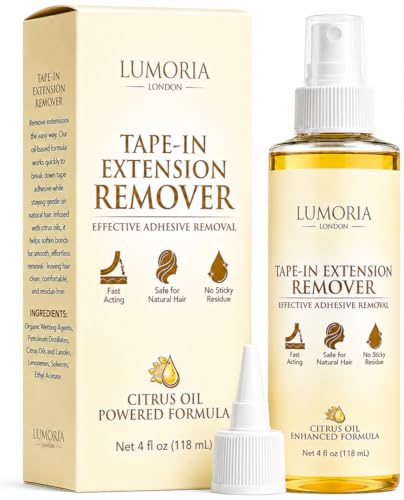
FAST-ACTING HAIR EXTENSION REMOVER: Loosen tape tabs, wig glue and sticky adhesive bonds quickly without stressful pulling or tugging. This tape in hair extension remover helps release extensions smoothly, making removal easier for at-home users, stylists, wig wearers and regular extension maintenance - without damaging your natural hair.
What Causes Breakage, Shedding, and Traction Alopecia
Breakage, shedding, and traction alopecia can occur even if you’re not a high-risk candidate, especially when extensions are applied or maintained improperly. Mechanical tension from heavy or poorly placed tape-in extensions pulls at your roots, inflaming follicles and damaging scalp health over time. Adhesive failure often results from oil buildup, product residue, or moisture exposure, causing tapes to slip and leading to unnatural shedding. Stress placed on hair fibers from rough brushing, high heat above 356°F, or coloring weakens strands at attachment points, increasing the likelihood of snap breakage. Skipping regular maintenance allows the extensions to drag on your natural hair’s length, raising follicle load and elevating the risk of traction alopecia. Without proper strengthening treatments and careful aftercare—such as avoiding silicones and sulfates—your natural hair becomes more vulnerable to repeated cycles of damage. Gentle removal methods can help minimize stress on the hair shaft and follicle during the take-down process. Additionally, neglecting scalp recovery time between installations prolongs tension and heightens follicle trauma. A derma roller can stimulate scalp microcirculation to improve follicle health between extension wears. Choosing bond-strengthening products can help fortify hair before reapplication, reducing the cumulative stress of repeated wear. External factors like handling and environmental elements can exacerbate these stresses, accelerating damage.

72 TABS OF EXTRA HOLD HAIR EXTENSION TAPE - Big Kizzy Double Sided Extra Hold tape in extension replacement tape is designed for reapplication of tape ins. Recommended for thick hair, this tape in tape replacement lasts 7+ weeks with proper installation and care. Big Kizzy tape for tape in hair extensions are strong, easy to remove and leave no residue. Made in the USA!

LONG LASTING: Ultra Stick single sided tape is the strongest, most durable adhesives for tape in hair extensions. No slippage and no damage one sided replacement tape for tape in hair extensions.
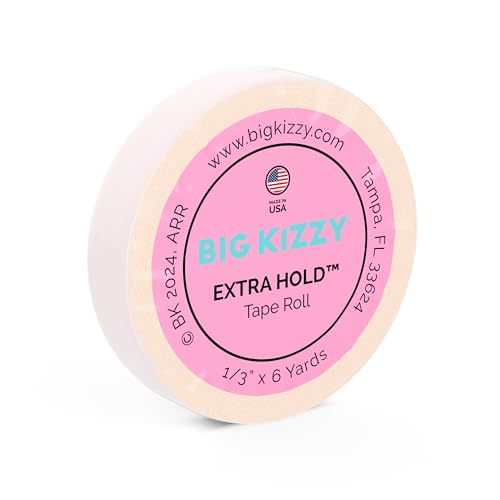
PROFESSIONAL QUALITY DOUBLE SIDED TAPE ROLL: Big Kizzy Extra Hold Tape Rolls for Tape in Weft Extensions is a natural hold and residue free replacement tape for tape weft hair extensions. Made in USA!
How to Wear Tape-In Extensions Safely
To wear tape-in extensions safely, always start with a professional installation on clean, dry hair. Use a clarifying shampoo beforehand to remove buildup and oils, but avoid conditioning near the roots since conditioner can weaken the adhesive. During application, place the tape bonds diagonally or horizontally, avoiding the hairline and ears to reduce visibility and tension on your natural hair. Make sure the tapes align with your head’s natural curves to keep the bonds discreet and comfortable. Beginners can benefit from using a breathable wig cap underneath to add an extra layer of protection and comfort during the process.
Wait at least 48 to 72 hours before washing your hair for the first time. When you do wash, shampoo gently and keep it upright between the tapes, avoiding harsh scrubbing near the bonds. Limit washing to no more than twice a week to prolong the lifespan of your extensions. Always dry your hair thoroughly before bed, preferably blow-drying downward to smooth the hair and minimize stress on the bonds. Avoid applying heat directly on the tape tabs to prevent weakening the adhesive. This careful drying routine is essential since sleeping with damp hair can also exacerbate tension and breakage on the bonds.
Use a gentle, wide-tooth detangling brush to handle your extensions, working from the ends upward and handling bonds with care. For shampoo and styling products, stick to sulfate-free formulas because sulfates can strip the adhesive. Avoid oils and silicone-based products near the roots, as they can loosen the tapes over time. When heat styling, opt for low heat and use a protectant spray to shield both your natural hair and the bonds.
Tight styles and over-brushing can pull on the bonds and cause them to loosen or fall out. Avoid tight ponytails, buns, or other styles that tug at your roots. Sleeping with your extensions completely dry will prevent matting and tangling, especially when combined with gentle brushing before bed to keep your hair smooth and free of knots. For removal, always apply a bond-release solution and gently slide the tapes apart to avoid pulling on your natural hair. Following these steps helps you wear tape-in extensions safely and extend their lifespan while protecting your natural hair.

Protect Hair Color From Fading: Our Clarifying Shampoo removes hair residue while our Restoring Conditioner locks in hydration to reveal bright, visibly healthy color that lasts, for all hair types. Suitable shampoo and conditioner for color treated hair

DEEP CLEAN + REVITALIZE - Powerful yet gentle formula removes product buildup and acts like a magnet to remove impurities

Apple Cider Vinegar Shampoo for Itchy Scalp and Product Build Up - Finally, a Detox that doesn’t suck. Get rid of product and hard water buildup, dirt and oil with this 1-2x week clarifying shampoo. Here's your fresh start, see you next week.
Warning Signs You Should Never Ignore
Persistent scalp pain or tenderness beyond the first week is a major warning sign you should never ignore. Such soreness indicates traction stress, which is not a normal adjustment response. If untreated, it can cause chemical damage from products reacting with irritated skin. Redness, bumps, or oozing at the attachment points suggest a scalp infection or allergic dermatitis from adhesives. Increased shedding or short, snapped hairs around the bonds are typical signs of traction alopecia. If you notice a widening part or visible thinning at the temples, it could lead to permanent density loss. Additionally, matting, slipping, or dry, brittle hair around the attachments signals mechanical stress. Any patches of a smooth, shiny scalp require immediate medical assessment, as scarring alopecia can be irreversible. For irritated skin, a gentler exfoliation approach using diamond tip microdermabrasion can help reduce inflammation without worsening traction stress. traction alopecia is a common risk that occurs when the tapes pull on hair follicles over time. Always follow safe removal steps to minimize damage during the removal process.