Ever wonder how deep your tattoo needle should go? Getting the right depth is crucial for a clean, lasting design. If it’s too shallow, the ink might fade quickly; go too deep, and you risk scarring or blurry lines.
Your body part and skin type also play a role. Keep reading to learn how to achieve the perfect insertion depth.
Why Tattoo Needle Depth Makes or Breaks a Tattoo
Needle depth should be approximately 1.5 to 2 millimeters into the skin. This depth places the ink within the dermis, the layer just beneath the outer epidermis, which is essential for preserving the tattoo’s clarity and vibrancy over time. Understanding how this depth compares to the micro-needling process helps clarify why precise penetration is critical, as both techniques rely on controlled skin trauma to achieve lasting results. If you set the needle too shallow, in the epidermis, the ink will shed sooner, leading to faded colors and patchy healing, which might require frequent touch-ups. Conversely, going too deep—piercing into the subcutaneous fat—can cause traumatic blowouts and scarring, permanently damaging the design. Achieving the correct depth ensures the pigment is deposited securely in the dermis, resulting in long-lasting, rich, and saturated colors, without compromising skin health. Choosing the right preparatory gear, such as a comfortable wig cap, ensures beginners avoid distractions that could disrupt their focus on proper needle technique. Controlling needle depth is the key to both the longevity of the tattoo and maintaining a clean, professional appearance. Practitioners must adjust depth based on skin thickness and anatomical location to prevent inconsistent depth from compromising tattoo quality and longevity. Consistent depth control is aided by understanding the tattoo ink manufacturing process, which ensures pigment particle size remains uniform for proper suspension and deposition.

Poseidon cartridge adopt a one-time joint design hygienic standard The material is stainless steel and easy to color,and has better ink flow


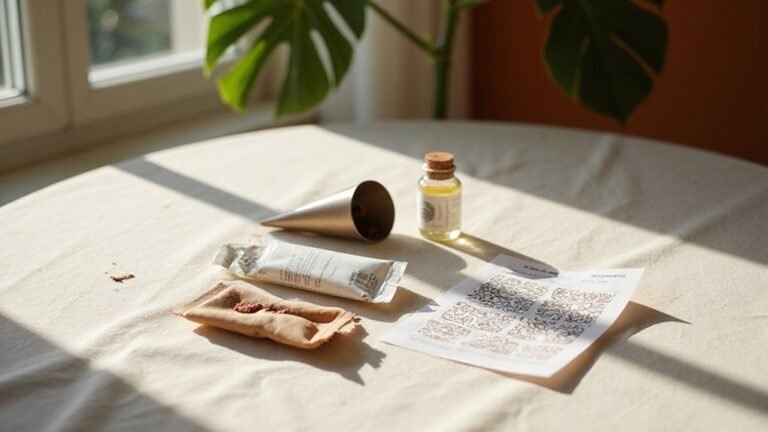
COMPLETE PRACTICE SET: Includes 20 tattoo practice skin sheets and 300 ink caps in two sizes, giving beginners and artists an organized setup for repeated linework, shading, and color-packing practice.
The Exact Skin Layer Tattoo Needle Depth Targets
The correct needle depth for tattooing is the upper dermis, typically between 1.2 and 2.0 millimeters below the skin’s surface. This is where the ink needs to be deposited to ensure permanent retention. Going too shallow into the epidermis causes the ink to fade quickly as skin cells shed and regenerate. If you push too deep into the subcutaneous fat layer, you risk blowouts, scarring, and loss of crisp lines. The key is to penetrate through the outermost layer and stop just within the upper dermis, maintaining consistency while adjusting for different body areas and skin types. This depth requires fine control of pressure and stroke to hit that optimal “sweet spot” where the pigment remains stable over time. Similarly, improper wear habits with tape-in extensions can damage the hair by pulling on the follicle, leading to traction alopecia in those most affected. Tattoo needle configurations, such as liner and shader groupings, influence how effectively the ink is deposited at this critical depth. Selecting the right black ink formulation is equally important, as high-quality carbon-based inks offer greater stability and color retention when deposited at the correct depth.
What’s the Average Tattoo Needle Depth in Millimeters?
The average tattoo needle depth is about 1.5 millimeters below the skin’s surface. Most professionals aim for this precise depth because it provides optimal ink saturation and ensures the pigment stays long term. This shallow target is a sweet spot: going shallower may cause ink to fade or not hold properly, while going deeper can lead to unnecessary trauma or blowouts. Although some training materials cite ranges from 0.5 mm to 2.5 mm, the consensus remains in the 1 to 2 mm range. The goal isn’t to hit a fixed number but to find that exact depth that deposits ink reliably without damaging the skin. This consistent, narrow band allows for clean, lasting tattoos while minimizing tissue trauma. Adding new ink over black tattoo ink requires careful consideration of how the existing pigment will interact with the new color at this standard depth.
How Skin Thickness Changes Tattoo Needle Depth by Body Part
Skin thickness varies widely across the body, so you must adjust your needle depth accordingly to reach the dermis without causing harm. On areas with thin skin like the inner wrist, fingers, or ribs, you’ll set the needle to a shallower depth because the skin can be just a few tenths of a millimeter thick. Over-penetrating in these zones risks hitting bone or causing trauma, bleeding, and blowouts. Skin here offers little elasticity, so you’ll notice resistance quickly, helping guide your depth. Conversely, on medium-thickness areas like the thigh or upper arm, the skin is thicker but still tolerates standard needle depths, with more fat and muscle cushioning the needle. Thick areas such as palms or heels are tougher; their skin can reach about 4 millimeters in thickness, requiring deeper needle settings to properly reach the dermis. Since the same needle depth can behave differently depending on the body part, rely on tactile feedback to adjust. Accurate depth control ensures clear ink placement, preventing spread or fading regardless of the tattoo location. Understanding the different tattoo machine types helps you choose the right tool for achieving precise depth control on each body part. Before tattooing, always consider whether the area’s unique skin resilience might require you to modify your pressure or speed as well. Using a red light mask after tattooing can help reduce inflammation and speed healing of the treated skin.

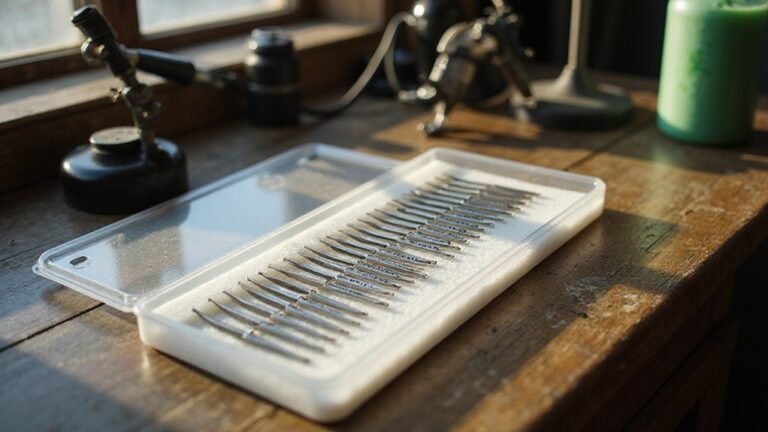
Cartridge Needles Sizes: 20 pcs tattoo cartridge needles include 3RL 5RL 5RM 7RM, each size has 5pcs. Those tattoo needles can be used for lining and shading, which can assist you with the entire tattoo work

Dragonhawk Tattoo Needles: High-quality tattoo needles, manufactured under the trusted Dragonhawk brand, are perfect for all-purpose work. With a polished, long taper design, these needles ensure reliable performance and excellent control.

Lining vs. Shading: How Needle Depth Differs
For shading, you want to set the needle at a shallower depth, usually just under 1 mm. This keeps the ink deposit light and soft, perfect for building smooth gradients or packing color without causing trauma or harsh saturation. Because shader groupings—like magnums or round shaders—spread ink over a larger area, they require less needle depth, which helps prevent oversaturation and damage to the skin. Understanding needle configurations and uses ensures the correct grouping is selected for this purpose. Adjust your hand speed and voltage accordingly; maintaining the right technique is more important than sticking to a specific number. Matching your needle depth to the task ensures cleaner healing and a more refined result. Expert tattoo artists recommend using magnum needle groupings for shading because they disperse ink efficiently at shallow depths, as noted in the guide to tattoo needle types and expert tips.

50 pcs Mix Assorted Transparent Tattoo Needle Cartridges - Includes are a mix of #12 Standard RM needles.

BIGWASP tattoo needle cartridges (Generation 3)

BIGWASP's extra-large magnum needles are designed for compatibility with a wide range of tattoo machines, wireless pen devices, and grips.
What Happens If Tattoo Needle Depth Goes Too Deep?
Going too deep with your tattoo needle into the hypodermis instead of staying within the dermis causes significant problems. Excessive bleeding indicates tissue trauma and can lead to an uneven, messy appearance. Ink that is deposited too deep spreads into the hypodermis, resulting in blowouts—blurry halos around your lines that distort the design. This deep placement also prevents the ink from locking into the skin properly, which accelerates color fading as pigment leaks away from the surface. Additionally, scarring is likely to develop, leading to raised skin texture and keloids in some cases. Healing becomes prolonged, accompanied by increased pain and swelling, and the risk of infection rises. If corrections are needed later, laser removal becomes much more difficult because the ink resides deep within the tissue. Overall, going too deep damages your skin and compromises your tattoo’s clarity and longevity.
Risks of Ink Placed Too Shallow
If the needle doesn’t go deep enough, the ink ends up trapped in the epidermis instead of the dermis, where it can anchor properly. This shallow placement causes your tattoo to look good initially but leads to problems during healing. As your skin renews itself, the superficial pigment gets shed along with dead skin cells, resulting in rapid fading and patchy, uneven lines. Blurring occurs because the ink spreads unevenly in the upper skin layers, ruining crisp edges and making the design look blurry over time. Deep, consistent needle depth is critical for a stable, long-lasting tattoo. Without it, you’ll likely need additional sessions, risking more skin trauma and frustration, and ultimately ending up with a faded or poorly defined tattoo that requires costly correction. The outermost epidermis sheds approximately every 28 days, which is why shallow placement causes permanent fading rather than stability. For comparison, derma rolling uses microneedles to intentionally create micro-injuries in the epidermis and upper dermis for collagen induction. Understanding tattoo ink composition helps clarify why only the dermis provides a stable environment for pigment retention.
Visual Guide to Setting Needle Protrusion
To set your needle protrusion correctly, aim for about 1 to 2 millimeters visible beyond the needle tip. This measurement ensures proper ink delivery without over-penetrating the skin. Check the protrusion with the machine running to get an accurate reading. A rough visual reference is about the size of a dime, which equals approximately 2 millimeters. For the best color saturation, you want enough protrusion to reach the dermis but not so much that it over-penetrates. Excessive hang reduces needle stability and can cause inconsistent results. Start conservatively with a shallower 1.5 millimeters for lining, while shading might need slightly more depth. Over-penetrating the skin can increase the risk of ink poisoning from excessive trauma and pigment migration into deeper tissues. Adjust the protrusion by loosening the tube clamp or twisting the cartridge grip, increasing it in 0.5-millimeter steps if your results are too shallow. Remember, there is no universal setting; thin areas like elbows require less depth. Finding the right needle protrusion allows for controlled ink delivery and cleaner work. A longer hang further out from the tube improves ink flow and keeps the needle tip visible, preventing ink pulling and smudging for smoother, more controlled lines.

【Universal Compatibility & RGB Color Coding】Fits all standard tattoo machine. The two-color coding system (yellow-green for RL/RS, grape color for RM) ensures immediate visual distinction and a more efficient workflow.

Mast Pro purple tattoo cartridges needles have been providing with high density clear plastic body.

Package: 50pcs mixed tattoo cartridge needles, includes 10pcs each of 1203RL, 1205RL, 1207RL, 1209RL, 1211RL.
Angle and Skin Stretch: How They Change Effective Depth
Your needle protrusion might be set perfectly, but the angle you hold the machine and how you stretch the skin will alter the effective depth of pigment placement. A steeper angle, closer to 90 degrees, directs force straight into the skin, driving pigment deeper. Flattening the needle angle toward 45 degrees results in shallower penetration and increases the risk of slicing tissue. Skin tension is just as crucial; loose skin acts like a sponge, allowing the needle to go deeper than intended. Conversely, a tight, evenly stretched skin surface flattens the dermis, creating a consistent depth. By actively managing both your needle angle and the skin stretch with every stroke, you maintain control over pigment placement. Regularly check your angle—being too upright can cause blowouts, while too flat risks skipping the dermis. Mastering both variables ensures your effective depth stays true and predictable. Maintaining a needle angle between 67° and 70° ensures proper tissue trauma for optimal pigment placement.
How to Adjust Depth on the Fly (And Why You Must)
Adjusting depth on the fly is essential because you can’t swap needles mid-stroke. Being able to fine-tune your machine’s protrusion as you move between tasks gives you greater control and precision. This allows you to quickly shift between different techniques, such as lining, shading, or color packing, without stopping to make equipment changes. Tiny adjustments, often just 0.5 mm at a time, are made while the machine runs, with your eyes on the moving needle. Pen machines let you twist the grip clockwise for more exposure, while coil machines require loosening the tube clamp and pressing down the armature bar to adjust depth. Practice on skin first to ensure your depth is correct: clear, consistent lines confirm proper placement. If the ink wipes away or appears patchy, you’re too shallow. Excessive bleeding or skin indentations suggest too deep. Pair these adjustments with a slower, steadier motion to keep the needle within the dermis’s target zone of 0.5 to 1.5 mm. Just as preparing the skin surface before applying a wig ensures lasting adhesion, properly stretching the tattoo site before needle entry helps maintain consistent depth. Damaged hair cuticles from improper stretching can mimic the risks seen with poorly applied tape-in extensions. Understanding needle grouping configurations helps you select the right tool for each depth adjustment task.

Made from medical stainless steel and CNC aluminum inner core with dual stainless steel click balls,※This stainless steel tattoo cartridge grip is only fit for rotary tattoo gun and coil machine, not for pen type tattoo machine.

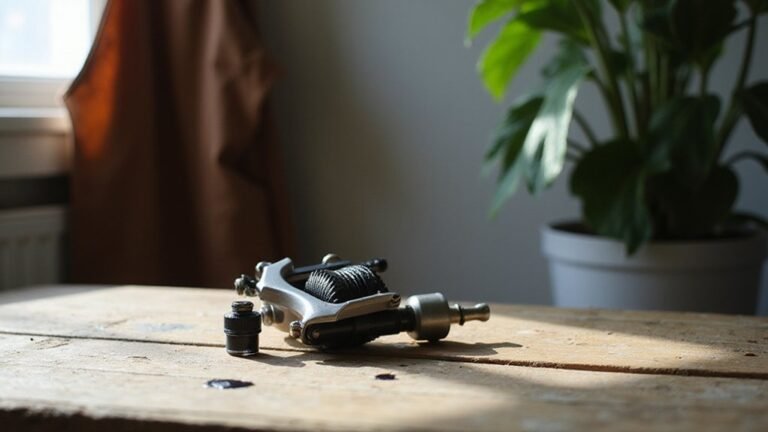
★ Driven by a built-in motor, performs well in both liner and shader with silence and low vibration.
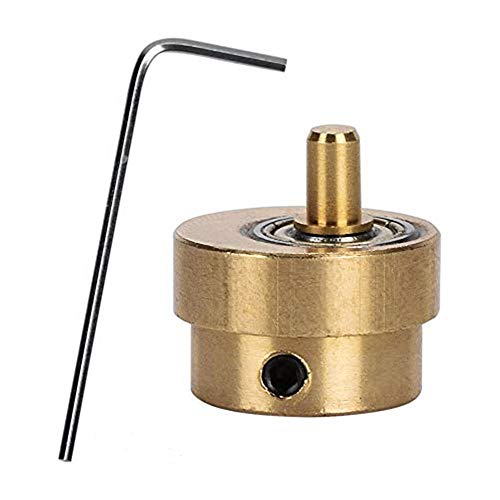
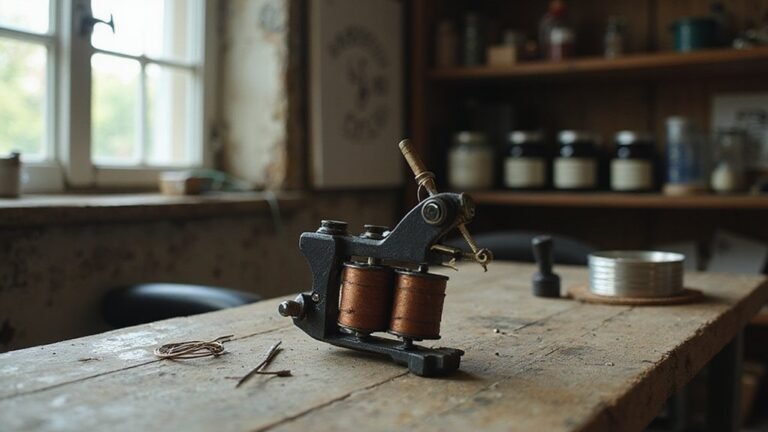
★ The brass tattoo motor cam can be used for liner or shader, ideal for tattoo machine building or replacement part.