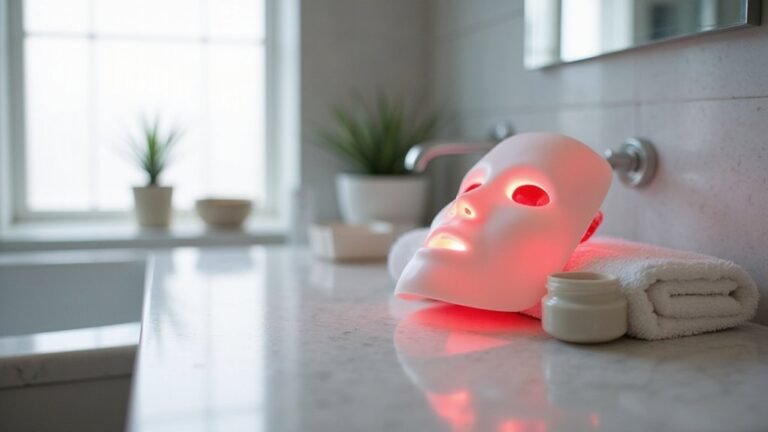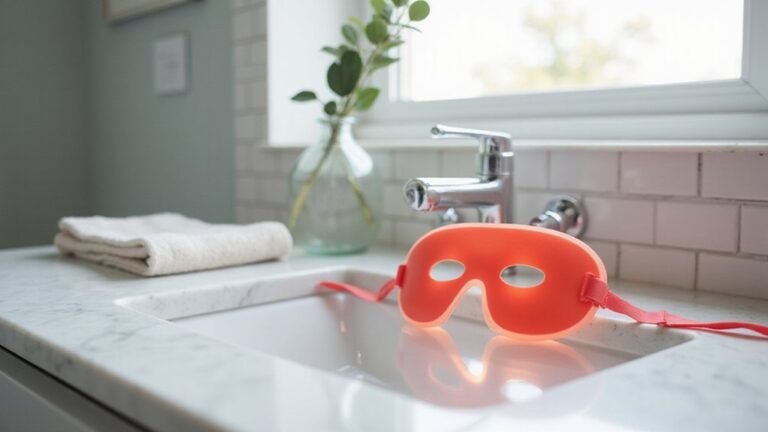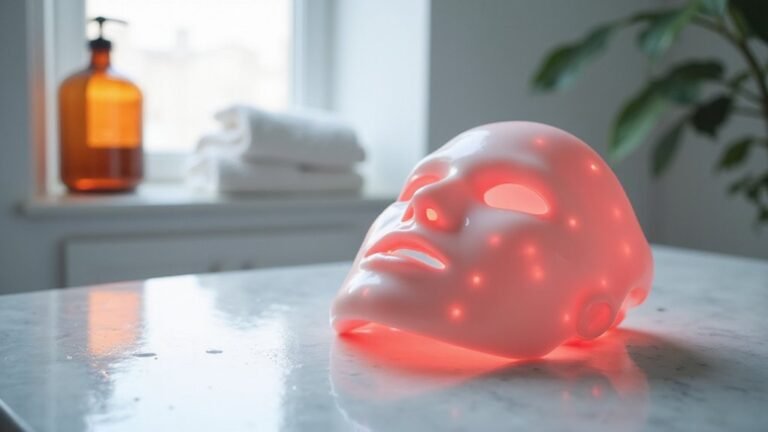
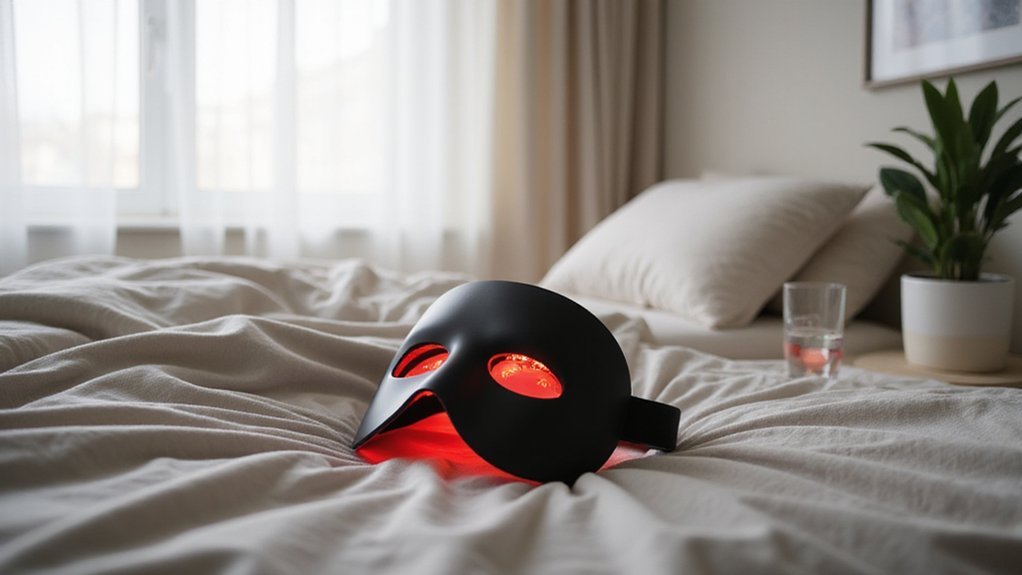
Wondering if a red light mask really works? Many users say it can improve skin over time, but don’t expect overnight miracles. Most see calmer, less red, and softer skin after a few weeks of consistent use.
With anti-aging benefits taking a couple of months. Keep reading to find out exactly how it might help you and what it takes to see results.
Does Reddit Say Red Light Masks Actually Work?
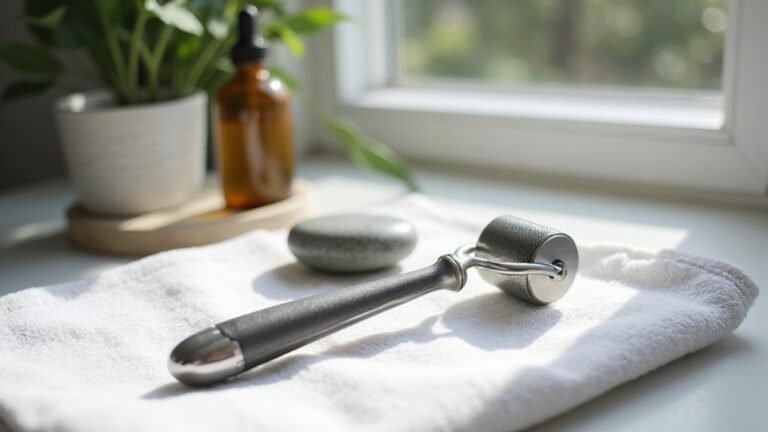
Most Reddit users say red light masks do work, but the results tend to be subtle rather than dramatic. You’ll rarely see anyone claiming overnight transformations. Instead, many report gradual improvements in redness, skin texture, and tone over time. These masks are often used to calm skin conditions like rosacea and reduce irritation, especially with regular use. As an acne treatment, some users notice fewer breakouts, but the changes are typically slow and cumulative rather than immediate. Red light therapy achieves this by stimulating cellular repair at a deeper level, which is a key mechanism explained in the benefits overview. The main goal is usually a firmer, brighter complexion rather than a complete skin overhaul. Device quality is crucial: you need proper wavelengths—specifically 630 to 660 nanometers for red light and 810 to 850 nanometers for near-infrared—and consistent use. The underlying process shares similarities with derma roller mechanisms, as both rely on stimulating cellular repair through targeted physical or light-based energy. For best results, many Redditors recommend using a consistent skincare routine to complement the mask’s effects. Skeptics often consider red light masks overhyped or weak, but many Redditors stick with them as part of a long-term skincare routine. The best results come from using the masks regularly as a maintenance tool rather than expecting instant miracles.
How Long Until You See Results From a Red Light Mask?
You can typically start seeing subtle improvements in just 2 to 4 weeks of consistent use. For a gentle glow, increased circulation may make your skin look brighter after only a few sessions. Changes in hydration, redness, and texture often become noticeable within this timeframe, especially with regular treatments. If you’re targeting acne-prone skin, you might see early results between weeks 2 and 4 as well. This device is a non-invasive treatment that uses specific wavelengths of light to stimulate cellular function. The mechanism works by delivering light energy to the skin’s deeper layers, similar to how tape extensions adhere by bonding to existing hair strands. To maintain device hygiene and prevent skin irritation, it’s important to clean your derma roller with alcohol before each use.
For skin aging concerns like fine lines and loss of firmness, expect to wait longer—usually around 4 to 8 weeks—before collagen-related improvements start to soften. More significant firmness improvements can take 8 to 12 weeks of steady use. Maintaining a routine of 3 to 5 sessions per week, each lasting 10 to 20 minutes, is key. Consistency matters because skipping sessions delays progress. Overall, anticipate initial results within 2 to 4 weeks, with noticeable anti-aging effects becoming clearer after 4 to 8 weeks of continued use.
How Often Should You Use a Red Light Mask? Reddit’s Frequency Guide
You should aim to use a red light mask about 3 to 5 times per week. Most users find that an every-other-day schedule strikes a good balance between effectiveness and skin recovery. Starting with three sessions weekly is advisable if you’re new to red light therapy. Increase frequency gradually only if your skin responds well without irritation. Avoid overusing the device, as going too often can lead to dryness or redness, which Reddit users consistently warn against. For maintenance, reducing to 2 or 3 times a week is sufficient. Spacing sessions 24 to 72 hours apart helps ensure the device lasts longer and prevents overheating. Remember, consistency is more important than stacking multiple sessions in a single day; find a schedule that fits your lifestyle and stick with it for better results. Some users also compare the learning curve of frequency control to adjusting coil tension in tattoo machines, where matching rhythm to skin type yields the best outcomes. Just as tattoo artists select specific needle groupings to match different skin and design demands, your red light mask frequency should be tailored to your skin’s tolerance and goals. Always follow damage-free aftercare guidelines to protect your skin after each session, just as you would when removing tape from extensions.
The Exact Red Light Wavelengths and Power (mW/cm²) That Work
Power levels between 20 and 60 mW/cm² measured directly at your face are effective for LED therapy. The optimal range is generally around 35 to 50 mW/cm², as this has the strongest supporting evidence for stimulating cellular activity. Anything below 20 mW/cm² is unlikely to produce significant results. It’s crucial to rely on real-world irradiance measurements rather than exaggerated product specifications to ensure you receive the intended benefits from your LED device. Just like how a tattoo machine uses electromagnetic coils to drive a needle at a precise frequency for effective ink deposition, your red light device must deliver the correct wavelength and power to trigger the desired biological response. Similar to how improper taping extensions can cause traction alopecia if applied too tightly, using a red light mask with inadequate power may fail to produce the intended cellular effects. Understanding the manufacturing precision required for consistent pigment dispersion helps explain why only devices with verified output can reliably stimulate cellular repair.
Red Light Mask Before and After: Skin Benefits Users See
Consistent red light mask use results in a noticeably calmer, less irritated complexion. Over time, redness diminishes and acne-related inflammation appears reduced, making your skin less reactive overall. Within a few weeks, you may notice a healthier glow and smoother skin texture, as rough areas soften and inflammation decreases. Oil control is often improved as shine and breakouts lessen. Skin hydration subtly enhances, leaving your face feeling more balanced. While fine lines and skin firmness tend to improve more gradually—typically over a period of 4 to 12 weeks—the first visible changes usually include a more even skin tone and a refined surface. These benefits are the result of steady, consistent use rather than overnight transformations, providing regular, noticeable improvements without the need for major corrections. To maximize the longevity of your red light device, regular cleaning sessions are essential to prevent buildup that can block light output. For those new to light-based skincare, it’s helpful to note that improper removal techniques in other treatments can lead to skin damage and irritation, so always follow manufacturer guidelines for your specific device. Understanding the correct needle configuration and grouping is similarly critical for tattoo quality and healing.
Is a Red Light Mask Worth the Money? Reddit’s Price-to-Result Verdict
Red light masks generally offer conditional value, depending on your budget and goals. A detailed cost analysis shows that your return on investment varies based on several factors. Many users attest that the technology can be effective, but consumer-grade models often lack the power needed for noticeable results. A common complaint is that, for the same amount of money, a red light panel provides better coverage and higher irradiance, making it more efficient. Some users find that investing in a quality mask pays off after consistent use over months. However, if you are inconsistent or expect quick, visible improvements, the value diminishes significantly. Reddit recommends avoiding cheap, underpowered masks and instead choosing devices with verified specifications. For those prioritizing comfort during extended wear, selecting a model with flexible silicone caps can improve the fit and seal around the face. Alternatively, opting for a larger, more powerful red light panel generally delivers more value per dollar. Similarly, with hair extensions, safer wear habits such as proper application and removal can prevent unnecessary damage, particularly for those with fine or fragile hair.
Red Light Mask Limitations and Real User Complaints
Red light masks generally provide much lower power levels than clinical devices—typically between 10 and 50 milliwatts per square centimeter (mW/cm²) compared to 100 to 200 mW/cm² used in professional settings. This lower power significantly affects treatment efficacy, meaning your 10-minute sessions are unlikely to deliver a therapeutically meaningful dose. As a result, improvements tend to be subtle and slow rather than rapid or dramatic. These masks are not designed to treat serious medical conditions such as skin cancer or melasma, and in some cases, they can even worsen pigmentation issues. Durability is another common problem; many masks break down or malfunction quickly, turning into expensive paperweights. User compliance can be tough because achieving noticeable results usually requires consistent use over weeks, and these benefits are often limited to minor fine line reduction rather than deep wrinkles. Additionally, tape-in extensions share a similar frustration with maintenance, as improper installation can lead to shedding and damage to natural hair. Safety hazards like eye damage and skin irritation are additional concerns that complicate their use and may compromise your safety. Poor adhesion or alignment during setup can mirror the frustrations experienced with stencil paper, where misapplication ruins the intended result. For a successful experience, having a proper wig cap fit is just as crucial as consistent treatment sessions.
Why Isn’t My Red Light Mask Working? Overuse and Other Causes
Before blaming the mask, check your prep. Makeup, sunscreen, or thick creams can block light, so start with clean, bare skin. If your skin isn’t free of these barriers, the mask’s light won’t penetrate effectively.
Also, examine the device itself for malfunctions. A device with low power, a dying battery, or loose connections can reduce output below therapeutic levels. Flickering lights or overheating units are signs the device isn’t functioning reliably. Ensuring your device is fully charged and properly assembled can make a significant difference. Internal wiring issues, such as a shorted wire connection due to corrosion or a break, can prevent the device from powering on at all.
If these factors are in order, your skin type or condition might be affecting the results. Some skin types or conditions could absorb or reflect light differently, making the mask less effective.
Red Light Mask vs. Panel: Which Is Better for Home Use?
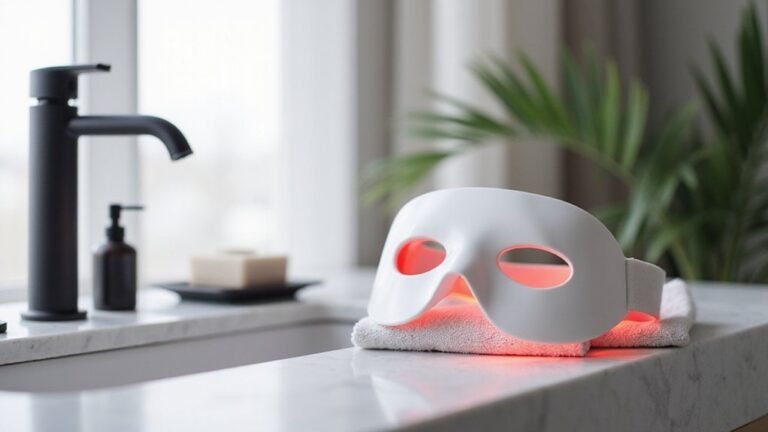
A red light mask is generally better for facial skincare because it delivers targeted treatment directly on your face while allowing hands-free use. These masks are lightweight, portable, and typically priced between $100 and $400, making them accessible for daily routines. They are designed specifically for the face, providing a convenient way to incorporate light therapy into your skincare regimen without bulky equipment. Masks also promote consistent daily use due to their comfortable, portable design and ease of fitting into evening routines.
In contrast, panels tend to cover larger areas for systemic benefits such as recovery or overall wellness. They often have higher irradiance levels, ranging from 40 to 60 milliwatts per square centimeter at six inches, which can deliver more intense therapy across your body. However, panels usually require more setup time, are bulkier, and sell for up to $1,500 or more.
If your primary goal is facial skin health, a mask offers simplicity, portability, and affordability. It slips on easily, fits snugly, and enables consistent daily use. On the other hand, if you seek broader health benefits beyond the face, a panel might be more suitable despite its larger size and higher cost.
What Results Should You Honestly Expect From a Red Light Mask?
Results from a red light mask are usually subtle rather than dramatic. You can expect small to moderate improvements like smoother skin texture, a brighter and more even skin tone, and reduced redness with consistent use over several weeks to months. Fine lines may soften slightly, and your skin can appear healthier overall. However, you won’t see a complete transformation. Noticeable changes generally begin around six weeks to three months of regular use, and patience is essential. Daily or every-other-day routines tend to produce better results than inconsistent use.
Keep your expectations realistic because not all skin concerns respond equally. Deep wrinkles or sagging typically won’t be fully corrected with a mask alone. Melasma, a form of hyperpigmentation, might even worsen in some cases. For optimal results, combine your mask with proven skincare ingredients like niacinamide or vitamin C, and follow your dermatologist’s advice to avoid overuse or irritation. Remember, the change is incremental—building up gradually over time rather than happening all at once.