If you’re tired of waiting for hair extensions to grow or need a quick boost of volume, tape-in extensions might be just what you need. They provide immediate length and fullness using slim, human hair wefts attached seamlessly with medical-grade adhesive tabs.
In the sections that follow, you’ll find all the details to decide if they’re right for you.
What Exactly Are Tape Hair Extensions?
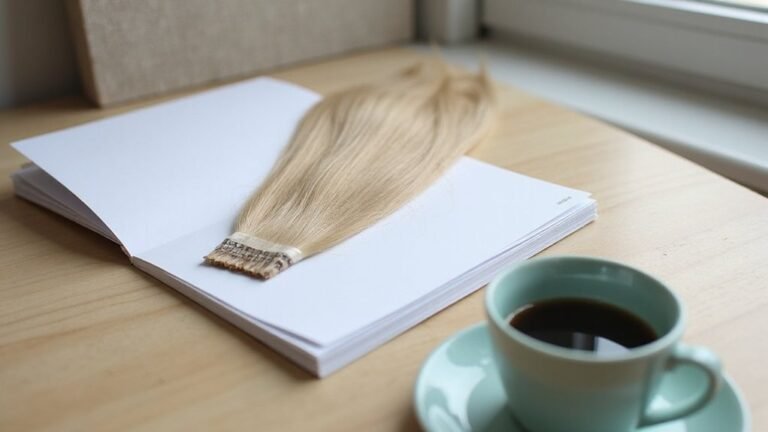
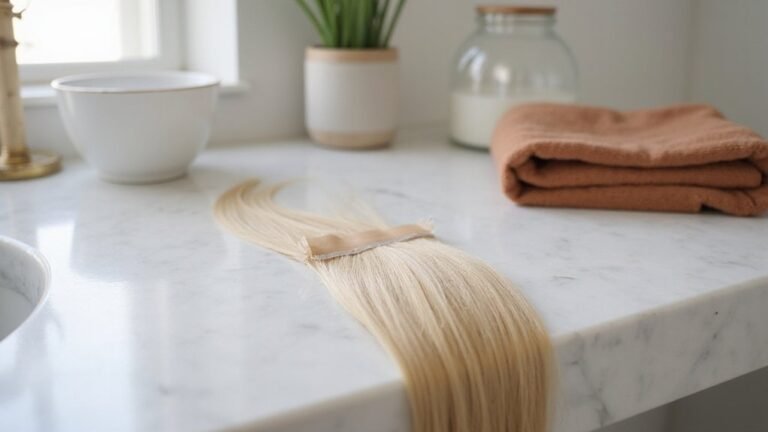
Tape hair extensions are semi-permanent wefts that attach directly to your natural hair using a medical-grade adhesive tab at the top. Each strip is thin, lightweight, and typically made from 100% human hair, making them look seamless and natural. You’ll find a wide range of color options, from subtle natural highlights to bold, vibrant shades, which makes matching your hair tone straightforward. However, these extensions cannot be dyed at home, so selecting the right shade initially is essential. The cost for a full set varies depending on factors like length, quality, and brand. Professional installation is required, and maintenance appointments are usually needed every 6 to 8 weeks to re-tape or reposition the extensions. If you plan to reuse them multiple times, expect additional costs for re-taping. Investing in high-quality human hair often pays off because it provides a more natural look, greater durability, and more comfortable wear. A full head typically requires 100-150g, equating to 2-3 packs of tape-in wefts. The medical-grade adhesive used ensures a strong hold while remaining gentle on natural hair. Proper care, such as avoiding oil-based products near the bonds, can extend the life of the extensions much like following the recommended usage schedule prevents damage. Similar to how a derma roller stimulates micro-channels in the skin to boost collagen production, these extensions rely on precise bonding to integrate without harming the scalp.
How Do Tape-In Extensions Work With Your Natural Hair?
Once you’ve chosen your tape hair extensions, understanding how they interact with your natural hair is essential. Your stylist will start by sectioning your hair horizontally from the nape of your neck, creating small subsections about one inch apart from the roots. Color matching is crucial to ensure the wefts blend seamlessly with your natural shade. The application involves sandwiching a thin strip of your hair between two adhesive tape strips, forming a flat, secure bond. This sandwich technique distributes weight evenly across the hair, reducing the risk of thinning or damage caused by concentrated tension. The medical-grade tape used holds firmly but still allows for natural movement, making the extensions comfortable to wear. During the time you wear them, keeping oils away from the bonds is important to maintain their grip. As your hair grows, the wefts will shift downward, requiring a move-up appointment every six to twelve weeks. Properly sealing the bonds with a straightener for 5-6 seconds prolongs the durability of the attachment. This keeps the extensions comfortable, discreet, and looking natural. For optimal longevity, the needle depth used during initial application ensures the tape adheres without penetrating the scalp, similar to tattoo techniques that require precise depth to avoid skin damage. Adjusting the heat setting on your straightener is key to melting the adhesive without damaging the hair or causing burns. Unlike clip-ins, tape-ins have a lower risk of damage because they lack metal clasps that can tug or break strands.
What Are the Biggest Risks of Tape-In Extensions?
The biggest risks of tape-in extensions include traction alopecia, hair breakage, scalp irritation, and long-term thinning. The constant pulling from the adhesive tape can cause traction alopecia, especially along your hairline and temples. If left unchecked, this may lead to permanent thinning or bald spots. Poor application or rough removal can cause significant hair breakage, snapping your natural strands and weakening overall health. Understanding the composition of hair products is important, as some adhesives may contain heavy metals similar to those found in certain inks.
Scalp irritation or allergic reactions are common risks, particularly for those with sensitive scalps. The adhesive used in tape-in extensions contains chemicals that can cause redness, itching, or discomfort. For individuals with underlying scalp conditions or sensitivities, these reactions can be exacerbated if not addressed before application. Tangling and matting are also frequent issues, especially if you do not move up the extensions on time. Increased friction can lead to damage, making hair more prone to breakage. Chemical treatments such as color or perm solutions can weaken the adhesive bond, increasing the risk of extensions falling out prematurely and causing additional stress on your natural hair. As with other devices that use adhesives, users should consult a safety research review to assess potential skin reactions before application. Following a schedule based on needle size changes can help determine safe frequency for similar cosmetic tools.
Long-term use of tape-in extensions can result in thinning along the tape line, making fine hair look even thinner. Excessive tension from tight installation or frequent adjustments also contributes to this issue. Improper weight distribution, such as exceeding over 100 grams for fine hair, can lead to breakage and thinning. Being mindful of these risks and maintaining proper care can help prevent permanent damage and keep your hair healthy longer.

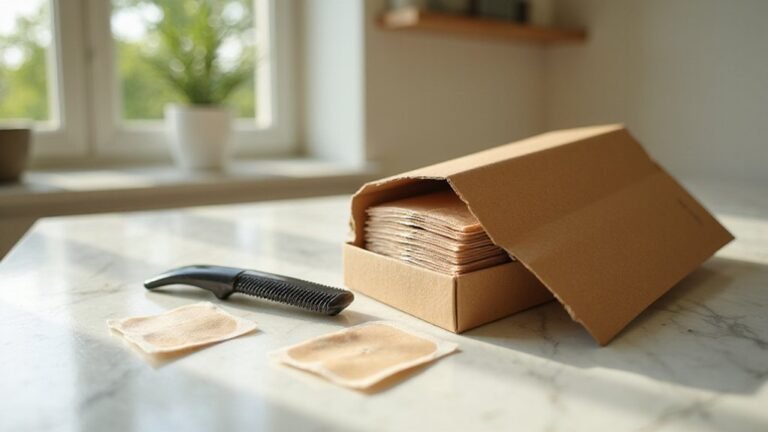
Tapes Specifications & Portable Packaging: Each tape measures 1.6 x 0.3 inches, suitable for most daily uses. Available in 24pcs, 48pcs, 72pcs, 120pcs, and 180pcs, with elegant, lightweight packaging to meet various needs

【Super Sticky】Hair tape for extensions has super sticky adhesive on both sides and strong stickiness. It is not easy to fall off and can be firmly attached to your hair. The double-sided hair extension tape is suitable for long-term use and can be used for 6–8 weeks.

Strong Adhesive for Secure Hold: GOO GOO replacement tape for tape in hair extensions features a strong, reliable adhesive that keeps your extensions securely in place through all daily activities, washes, and styling sessions.
5 Key Benefits of Tape Hair Extensions for Length and Volume
Tape hair extensions provide immediate length and volume, making them an effective solution if your natural hair is thin or flat. You can choose lengths from 14 to 28 inches, allowing you to easily keep up with current fashion trends. The ultra-thin wefts lie flat against your scalp, blending seamlessly with your natural hair color for a look that’s natural and undetectable. Because they are lightweight, the extensions distribute weight evenly across larger sections, reducing strain on your fine strands and providing a comfortable wearing experience. This lightweight design is further enhanced by traditional tape-in construction, where hair is injected into plastic polyurethane material rather than simply overlaid. To maintain the integrity of your natural hair, it is vital to follow safe tape extension removal steps to avoid damage. For the health of your existing brows, using a derma roller can stimulate hair follicles before application. Unlike sew-in extensions, tapes require no braiding or pulling, making them a gentler alternative for fine or fragile hair.
Application typically takes less than two hours, making it perfect for busy schedules. You can blow-dry, curl, or flat-iron these extensions just like your natural hair, giving you versatile styling options for either fuller updos or sleek everyday looks. Plus, the extensions are reusable, so you can refresh your style without needing to buy new ones each time.

Remy Human High Quality Hair: 100% Remy human hair extensions thick full ends, natural silky appearance, soft touch, shiny, no tangles or shedding, hair can be washed, straightened or curled same as our own hair, and can lasts 4+ months with careful care

Remy Human Hair Tape In Hair Extensions: Made from Remy human hair, these tape in hair extensions are soft, silky, shiny, and blend naturally with your hair. Heat-safe up to 356°F. Reusable and long-lasting, they can last 4+ months with proper care

Premium Remy Human Hair: Made from high-quality Remy human hair, provide a smooth, soft texture that blends effortlessly with your natural hair, ensuring a natural and comfortable look. With proper care, they remain tangle-free and long-lasting.
How Long Do Tape Hair Extensions Last: And Maintenance Frequency?
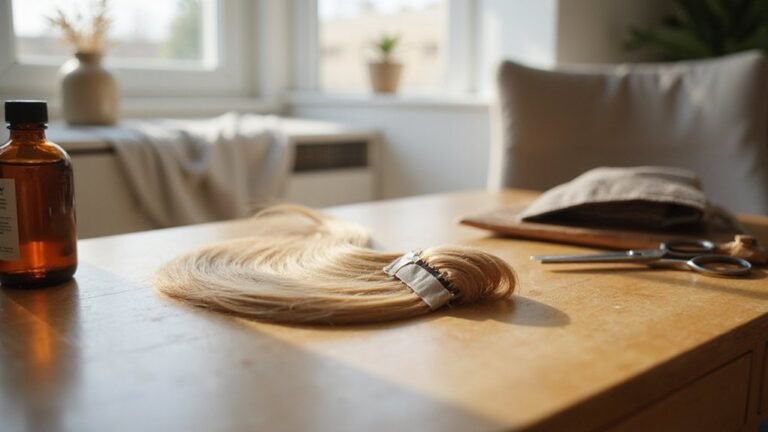
A tape-in extension can last between 4 to 8 weeks, with a typical refit interval of 6 to 8 weeks. The main factor influencing this time frame is your natural hair growth rate. As your roots grow, the bonds gradually shift away from the scalp, requiring you to have the extensions repositioned. This process involves removing the old bonds, cleaning the wefts, applying fresh adhesive, and reinstalling the extensions. With proper care, the hair itself can be reused for up to 6 to 12 months, often allowing for three to four reapplications. However, faster hair growth or more frequent washing may shorten the wear period to around five weeks. Improper removal or excessive heat can drastically cut the lifespan of the bonds, leading to premature slipping or damage. Using safe removal steps and a bond-release solution can help prevent unnecessary shedding during the refit process. Maintenance needs vary depending on your growth speed, lifestyle, and aftercare routine, so staying attentive to how your extensions behave will help you determine when to schedule refits. Using a sulfate-free shampoo is recommended to avoid weakening the adhesive bonds over time.

Fast & Effective Bond Breakdown – Specially formulated alcohol-based remover quickly dissolves adhesive bonds for seamless hair extension removal without pulling or damage.

EVERYTHING YOU NEED TO REMOVE TAPE INS: Big Kizzy Remover 1 (8oz) + Remover 2 (4oz) system is unlike any other tape in extension remover! One hair extension remover spray and one hair extension adhesive residue solvent, this dynamic duo makes removing tape ins easy for stylists and DIYers. MADE IN THE USA!

EFFORTLESS REMOVAL: Big Kizzy Pro Remover (4oz) is designed for stylists and salon professionals to make removing tape in hair extensions and keratin extensions damage and residue' free.
How to Care for Tape Hair Extensions Without Damaging the Bond
To care for your tape hair extensions without damaging the bond, it’s essential to follow a gentle routine from the start. Wait 24 to 48 hours before washing your hair to allow the adhesive to fully set. When washing, use lukewarm water and always move your hair downward—never pile it on top of your head. Carefully massage your scalp, avoiding the tape areas, and rinse thoroughly to remove any buildup.
Use only sulfate-free and silicone-free shampoos and conditioners to protect the adhesive. Apply conditioners, serums, or oils only to your mid-lengths and ends, keeping them away from the tape tabs. Steer clear of oil-based or alcohol-based products near the bonds, as these can weaken the adhesive. Just as breathable tattoo bandages promote airflow to prevent moisture buildup, keeping your scalp and bonds dry is critical for maintaining tape adhesion. For stubborn spills, blotting with a mild cleaning solution can help absorb residue without disturbing the bonds.
For styling, always use a heat protectant and keep hot tools away from the tape bonds. When brushing, go from the ends upward, supporting your roots to prevent tension on the bonds. At night, sleep with your hair in a loose braid on a silk pillowcase to reduce friction and maintain the extensions’ longevity.

Deep Moisture With Every Wash: Glycerin, panthenol and aloe vera draw moisture into extensions and the natural hair beneath, leaving strands soft, supple and easy to manage

Item Package Length: 5.5cm

Extension Repair Hair Products
Are Tape Extensions Right for You? Who Should Get Them: And Who Should Skip
Skip tape extensions if you have fine, delicate, or thinning hair. They pose a risk of traction and damage, which can worsen hair thinning or cause breakage. Additionally, if you have a sensitive scalp prone to irritation, tape extensions may not be suitable. When considering hair alternatives, it is worth noting that, unlike tape adhesives, tattoo inks can also expire over time if not stored properly.
You should also skip them if you cannot commit to regular salon visits every 4 to 8 weeks for maintenance. Taping and removal require a 24 to 48-hour window before washing your hair, which can be inconvenient. Improper installation or removal—either DIY or untrained help—can lead to breakage or traction alopecia, making professional application essential. Even with professional care, the routine upkeep of re-taping and professional washing adds a significant financial commitment that extends beyond the initial installation. For those concerned about maintaining a smooth finish, knowing the best needle types for stippling shading can help artists achieve similar depth in tattoo work. Unlike tape extensions, a high frequency wand can strengthen hair from the root without the risk of traction damage.

Useful hair extension kit: package include 500 pcs black micro ring beads, 1 pc micro beads plier, 2 pcs hook needle pulling loop, 4 pcs plastic alligator hair clips, 1 pc comb and 2 bags black mini rubber hair elastic bands

[Complete Hair Extension Tools Kit – All-in-One Professional Set] This all-in-one hair extension tools kit includes 1 crochet hook, 1 hair extension pliers, 1 comb, 5 metal hair clips, 1 threader tool, 8 hair extension needles, 5 rolls sewing thread, 100 colorful rubber bands, and 500 silicone lined micro ring beads (Black, Dark Brown, Brown, Medium Brown & Blonde). Everything you need for installing micro ring hair extensions in one convenient kit.

Hair extensions tools kit include 200 pcs silicone micro lined beads, 1 three-hole hair pliers, 1 roll sewing thread, 1 loop needle threader, 1 pulling hook needle, 8 sewing needles