Thinking about switching up your hairstyle without long-term commitment? If you want quick, easy changes, clip-in extensions are perfect—they snap in and out in minutes.
For a more natural look that lasts longer and blends smoothly, tape-in extensions offer a semi-permanent option with expert application.
Keep reading to find out which one suits your lifestyle best.
What Are Clip-Ins and Tape-Ins, Exactly?
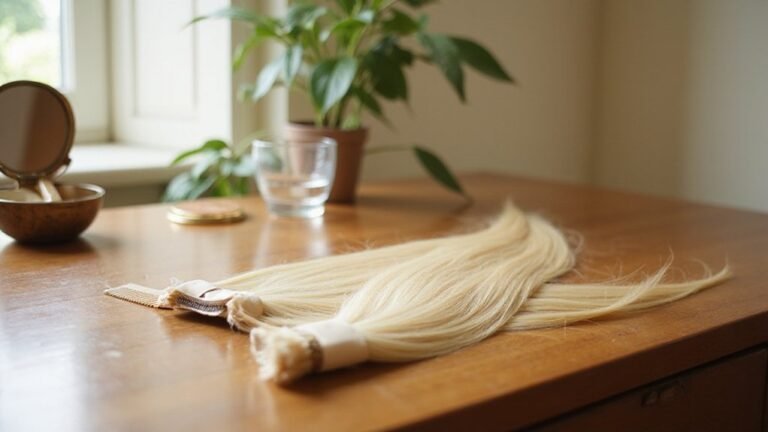
Clip-ins are temporary extensions that you can attach and remove in less than 15 minutes. They come in strips with small clips already attached, making them ideal for quick changes and experimentation. You can easily add length, volume, or even try out a new color without any long-term commitment. Because they are removable, you can style your hair with or without extensions every day, offering maximum versatility. Similarly, when using a derma roller, needle size changes the schedule for how often treatment should be performed to ensure proper recovery. Tape-ins, on the other hand, are semi-permanent extensions designed to stay in your hair for several weeks. They consist of thin, adhesive panels that bond to a thin section of your natural hair. Once applied, they won’t need to be taken out daily, providing a consistent boost of volume and length. Tape-ins are best suited for those seeking a more seamless, long-lasting extension solution, with the ability to style and wash your hair normally during the wear period. The process works by creating micro-injuries in the scalp to stimulate collagen production and improve hair growth. For tape-in extensions, proper washing techniques are essential to prevent the adhesive from loosening prematurely.
How Do Clip-Ins and Tape-Ins Attach?
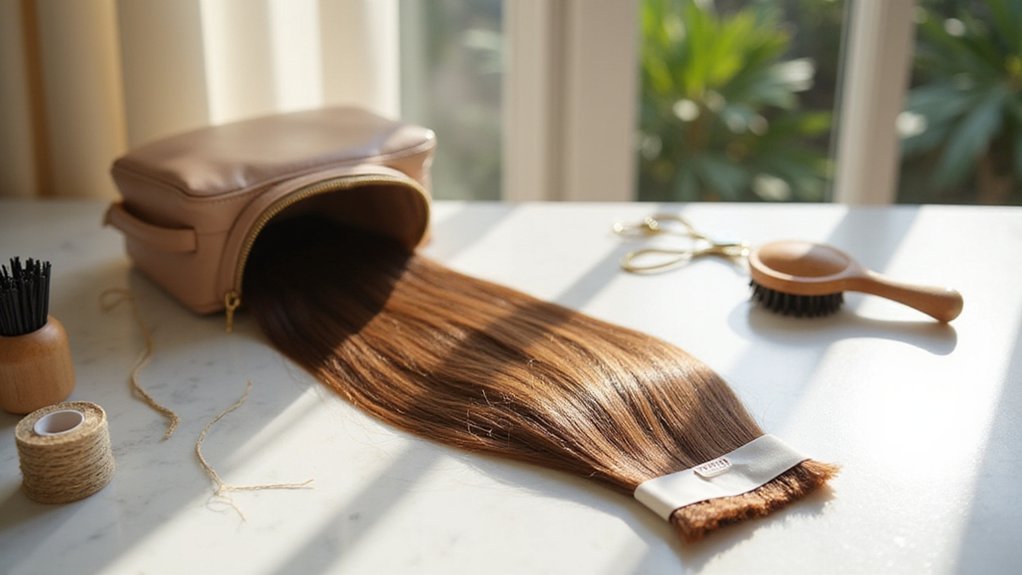
Clip-ins attach to your hair using small metal snap-clips sewn onto wefts. You create a horizontal parting at the nape of your neck, then open each clip, position it just below the parting near your roots, and snap it shut until you hear a click. You work your way up in rows, placing longer wefts in the back and narrower ones at the sides. Often, you backcomb your natural hair first to improve grip. This method allows for easy removal, giving you flexibility to style or skip them whenever you want. Similar to the Luxy Hair clip-in method, you can section and curl both your natural hair and the extensions for a seamless blend.
Tape-ins use adhesive tabs to attach. You sandwich a thin section of your natural hair between two taped wefts, pressing them firmly to create a flat bond close to the scalp. Installed in neat, aligned rows, tape-ins provide a semi-permanent solution. Because of their adhesive nature, they require higher maintenance and careful handling to prevent damage or slipping.
Clip-Ins vs. Tape-Ins: Daily Removal or Semi-Permanent?
Clip-ins require daily removal, while tape-ins stay in for weeks. Your choice depends on how often you want to handle your extensions. With clip-ins, you take them out each night before bed, showering, or exercising—making them ideal for occasional use or special events. You control when you want extra volume or length without needing a salon appointment, but this routine requires daily installation and removal.
Tape-ins, on the other hand, are semi-permanent. They remain attached for about 6 to 8 weeks and are worn continuously. Waking up with added length and volume saves time on styling daily. Instead of handling your extensions each day, you’ll schedule professional maintenance every few weeks. This setup works well if you want your extensions to feel like a seamless part of your daily hairstyle. Just as a tattoo chair must provide comfort and stability for long sessions, your extensions need a secure foundation for lasting wear. When removing tape-ins, using a specialized remover helps dissolve the adhesive safely without damaging your natural hair. Regardless of the method, it’s essential to match the color and consider your natural hair texture to ensure a flawless, long-lasting blend—whether just for a few hours or several weeks. Proper application prevents stencil damage and ensures lasting results.

【Package Contents】 5PCS straight clip in hair extensions of 18 inches 160g in total. Each package includes: 1 piece of 9.8 inches wide weft with 5 clips; 2 piece of 5.9 inches wide weft with 3 clips; 2 pieces of 4.2 inches wide weft with 2 clips. Color hair extensions. You can choose the number of pieces to wear according to your needs.
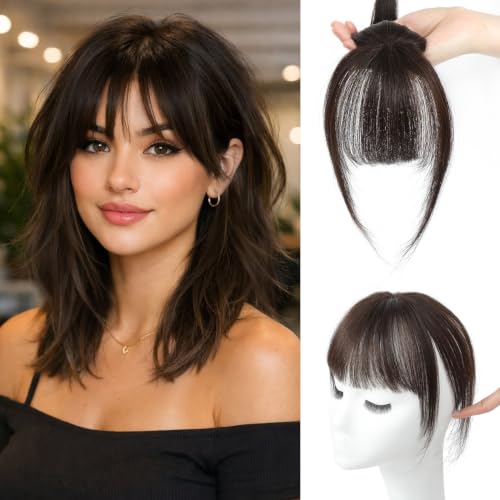
【100% Real Human Hair】Clip in bangs are made with 100% real human hair, ensuring that they closely resemble your natural hair texture,and color. Soft, fluffy like your own hair. It can be trimmed, heated, dyed or restyled base on your own needs. We recommend taking it to your stylist for a custom cut that frames your face perfectly!

Princess Wig Design: Features a silver braid with lustrous shine that is easy to wear on the hair and stays securely in place without falling
Clip-In vs. Tape-In Application Speed
Clip-ins can be installed in just 5–20 minutes, making them the fastest option for application. You can do it yourself at home without a salon appointment, and the process requires minimal skill. Because of their simple design, your experience level outweighs stylist expertise, allowing you to quickly add or remove them as needed. If you need a quick style change for a last-minute event, clip-ins are the clear winner. For those curious about how permanent tools compare, a tattoo machine uses electromagnetic coils or a rotary motor to drive needles, offering a different approach to body modification than temporary hair attachments. Understanding these differences is key because needle configurations directly impact the final result of any tattoo. Similarly, a derma roller uses tiny microneedles to puncture the skin, which can stimulate collagen production for cosmetic improvement rather than permanent ink.
In contrast, tape-ins take significantly longer—45 to 90 minutes for a full head—because they require a professional’s skill. The application involves sectioning your hair carefully and applying adhesive strips precisely, which demands more time and expertise. While tape-ins don’t offer immediate convenience, their longer wear cycle—lasting weeks—means you spend less time on maintenance over the long term.

Reliable Material: The hair extension clips are made of high-quality metal and silicone rubber material, not easy to lose color, deformation, and breakage, smooth surface, will not hurt your hair, are easy to use, light, and small and portable.

How to Care Straight Extensions: Unlike your own hair, the hair extension may get tangled without nutrition. You can use detangle spray or get a spray bottle and put some conditioner in it and add water. If there is no conditioner, just spray some water, then use a wide tooth comb to brush it. Start from ends and work towards the root to decrease shedding. We hope this will be helpful for you.

【Package Contents】 4PCS clip in hair extensions of 20 inches 180g in total. Each package includes: 1 piece of 7 inches wide weft with 4 clips; 1 piece of 6 inches wide weft with 3 clips; 2 pieces of 5 inches wide weft with 2 clips. You can choose the number of pieces to wear according to your needs.
Which Extension Type Looks More Natural?
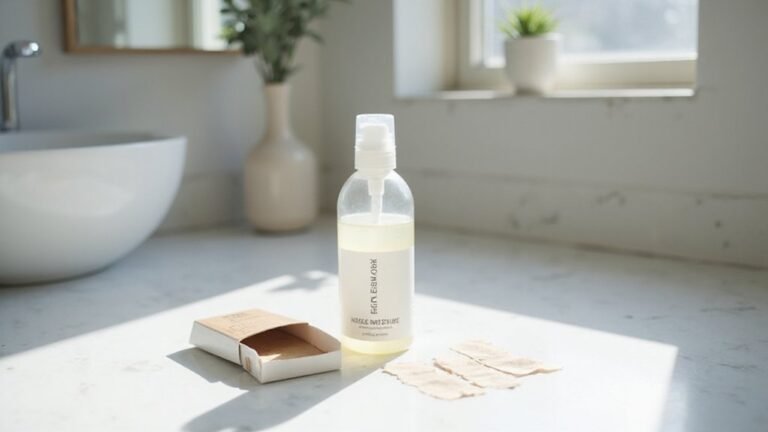
Tape-in extensions look more natural than clip-ins because they lie flat against your scalp, creating a seamless blend. Their medical-grade adhesive bonds close to the root, making it appear as if the hair is growing from your scalp. While both types require good color matching, tape-ins excel at blending textures since their flat profile moves naturally with your hair. Clip-in wefts, which use pressure-sensitive clips, often create noticeable bumps, especially in thin hair. Brands market tape-ins as “undetectable” for a reason: they maintain a flawless, seamless finish even during updos. They also offer the convenience of a polished, consistent look without daily removal or repositioning. If your goal is a natural appearance, tape-ins consistently provide superior results. However, unlike clip-ins, tape-ins require professional removal and reapplication every six to eight weeks, which adds a maintenance commitment that mirrors the permanence of other semi-permanent methods. For those attempting at-home removal, using a specially formulated solvent can help dissolve the medical-grade adhesive without damaging your natural hair. For beginners seeking the most secure base, using a high-quality wig cap underneath can further enhance the seamless blend by keeping natural hair flat and protected.
Fine Hair: Are Clip-Ins or Tape-Ins Safer?
Clip-ins are safer for occasional use because they are temporary and do not rely on adhesives, reducing the risk of hair damage. You can remove them before sleeping, which prevents continuous tension on your hair. However, repeatedly clipping them in the same spot can cause localized breakage over time. Tape-in extensions, on the other hand, distribute weight across a wider band, making them gentler for daily wear. They require professional installation and removal, and improper removal without solvent can lead to significant damage. Precise color matching is also essential to minimize extra handling. Overall, clip-ins are better suited for short-term use, while tape-ins can be safer for long-term wear if maintained properly by a professional. For those with sensitive scalps, using a wig cap underneath can add a protective layer and reduce friction. For those interested in alternative DIY methods, henna tattoo kits offer a similar temporary application with proper guidance. For a permanent-result alternative, high-quality black ink is critical for long-lasting tattoo clarity.
Upfront Cost vs. Long-Term Fees for Clip-Ins and Tape-Ins
Long-term fees can significantly outweigh the upfront costs. Tape-in extensions require maintenance every 6 to 8 weeks, with costs ranging from $75 to $200 per session. Over a year, these recurring expenses add up to more than $1,000. Reusable hair helps offset some costs, as you can typically reuse the extensions 2 to 5 times. In contrast, clip-in extensions have no salon fees; your main expense is replacing them when they wear out. If you only style occasionally, clip-ins tend to be more cost-effective over time. However, for frequent long-term use, tape-ins can spread out your initial investment, but you’ll be paying for professional maintenance repeatedly. For those who prefer a no-glue approach, finding the right wig cap can provide a secure and comfortable fit without adhesive. For unexpected stains on clothing, quick action with rubbing alcohol and soap can help lift ink before it sets. When evaluating tools for at-home hair care, comparing top-rated devices for performance and durability can guide smarter purchases.

【Salon Quality Hair Extensions】: 100% premium remy clip in human hair, tangle free, shedding free. The hair feel smooth and soft. Our clip hair extensions can be curled just you like. It can last 3-4 monthes with good care.

🌸 【More Hair Extensions】Fliace clip-in hair extensions are available in a set of 6 pcs hairpieces, 160g for hair with clips: 1 piece of 6.7 inches wide 4 clips in weft, 1 piece of 5.5 inches wide 3 clips in weft, 2 pieces of 4.9 inches wide 2 clips in wefts, 2 pieces of 2.2 inches wide, 1 clip in wefts.

Superior Quality Kinky Straight Clip Ins: Our kinky straight human hair clip ins Brazilian Remy human hair. No shedding, no tangling. The hair is soft, health and comfort, with natural luster and color, natural look and feel that blends seamlessly with your own hair.
Is One Method Gentler on Your Hair?
Yes, tape-in extensions are generally gentler on your hair when professionally installed. The weight is distributed across a broad section, which minimizes concentrated pressure on individual strands. This helps prevent damage during wear. However, skipping the recommended 6 to 8 week move-up schedule or pulling them out prematurely can cause breakage. Both improper removal and neglecting maintenance can lead to tension-related damage. This process of pigment dispersion is similar to how tattoo ink is made, where stabilizers and binders are added to ensure even distribution and prevent clumping. For those with fine hair, clip-in extensions are a safer option for occasional use, since they don’t involve tape or bonding agents. Tape-ins are better suited for frequent wear, provided you follow proper care routines. For thin hair, top picks reviewed can help you find options that are lightweight and designed to minimize strain. Your daily routine and maintenance habits ultimately determine which method is gentler for your hair.
Clip-Ins vs. Tape-Ins: The Final Verdict for Your Lifestyle
The choice between clip-ins and tape-ins depends entirely on your lifestyle needs. If you prefer quick changes and minimal commitment, clip-ins are ideal. They can be inserted in 5–10 minutes, removed at night, and require no salon visits, making them perfect for occasional wear or special events. They allow for flexibility in length, color, and style, which you can switch up daily or seasonally.
Tape-ins, on the other hand, offer a more permanent solution. They last about 6 to 8 weeks and provide a consistent, natural look without daily styling routines. You can sleep, workout, and swim with tape-ins without issues, but they do require regular salon upkeep every two months. For those who prefer a more hands-off, long-term extension, tape-ins deliver a “set and forget” experience. Overall, your choice hinges on whether you want frequent style changes and low maintenance (clip-ins) or longer-lasting, low-effort hair (tape-ins).