Getting tattoo ink out of clothes can feel tricky, especially if you want to avoid permanent stains. The key is acting quickly and using gentle tricks to lift the ink without damaging your fabric.
With a few simple steps, you can improve your chances of removing the stain completely. Keep reading for everything you need to know to tackle it effectively.
Why Speed Matters: Blot and Rinse Tattoo Ink Immediately
Blot and rinse tattoo ink immediately to prevent it from setting and spreading. Since tattoo ink initially behaves like a liquid spill, prompt action is crucial. Use absorbent paper towels or disposable cloths to gently blot the excess ink — never rub, as this pushes pigment deeper into the fabric or skin fibers and causes damage. Fast blotting lifts the ink before it has a chance to dry and bond permanently, reducing staining depth and making cleanup easier. Rinse the area right after blotting to flush away loose pigment, especially if sweat or plasma have mixed in, which can trap bacteria and promote infection. Delaying this process allows the stain to set harder into fabrics or skin, requiring more aggressive treatments that risk damage. Note that the ingredients used in manufacturing can affect stain behavior, as carrier solutions and color pigments are ground together in a controlled process. Acting within seconds ensures the freshest ink is removed before it becomes a permanent, difficult stain. This immediate action works similarly to the microneedling process, which creates micro-channels in the skin to enhance absorption and expedite pigment removal.
Cold Water First: How to Rinse a Fresh Ink Stain
To rinse a fresh tattoo ink stain effectively, start with cold water. This prevents heat from setting the stain, which can cause the ink to lock deeper into the fibers. Turn the fabric inside out and focus the rinse on the back side of the stain. This method pushes loose pigment out instead of driving it further in. Use gentle pressure and avoid scrubbing, as aggressive motions can spread the ink. Maintain a steady flow of cold water directly onto the stained area for about 10 to 15 minutes. Concentrating the rinse only on the affected spot helps limit ink absorption and protects the fabric for any future treatments. While rinsing with cold water alone won’t fully remove the stain, it significantly increases your chances of successful removal when combined with other stain removal methods. Avoid drying the fabric until the stain is completely gone to prevent it from setting.

PROFESSIONAL HARD WATER STAIN REMOVER: Get the powerful industrial and commercial strength that takes stains, spots, and rust out! Remove years of unwanted hard minerals
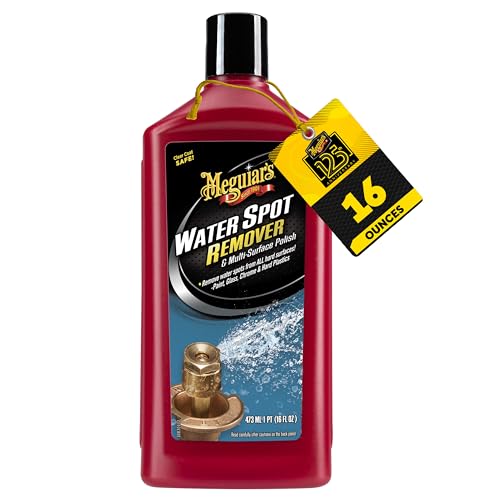
NO MORE WATER SPOTS: This car water spot remover by Meguiar’s works quickly to remove stubborn, unsightly water spots caused either through washing or weather, all without harming delicate paint finishes, glass, or hard plastics.

HEAVY DUTY WATER STAIN REMOVER FOR CARS(SPI10816) – Trusted by detailers for years, this gel formula targets stubborn mineral stains and water spots on paint, glass, and metal surfaces
Skip the Dryer Until the Tattoo Ink Stain Disappears
Do not put the garment in the dryer until the tattoo ink stain is completely gone. Heat from the dryer can set the ink permanently into the fabric fibers. Hot air bonds any remaining pigment to the weave, making it much harder or even impossible to remove with subsequent washes. Instead, air dry the item on a rack after rinsing to allow you to check if the stain has disappeared. This step is essential for preventing the ink from becoming permanent.
Examine the damp fabric under bright light or against a white cloth. Look for any faint signs of ink color. If you see any trace of the stain, repeat the pretreatment and laundering process before using the dryer. Even a small amount of residual ink can be locked in with heat within minutes. This process isn’t about trying your luck with heat; it’s about verifying that the stain is gone first. Air dry, inspect, and repeat as necessary. Light-based therapies work differently, but this stain-removal method relies on physical rinsing, not wavelengths. Only once the fabric shows no remaining pigment should you consider machine drying. Treat heat as the last step—your final test, not a shortcut—saving your clothes and your patience.

What You'll Get: One 22oz spray bottle of Shout's Prewash Active Enzyme Stain Remover Spray. Bottle, excluding trigger & label, made of 25% Post Consumer Recycled plastic!

TACKLE INK MARKS EASILY: The professional-strength Stain Devils #3 is specially formulated to take on ink stains more effectively than standard all-purpose sprays. Use this stain remover to treat ballpoint pen, rollerball ink, felt tip pen, pencil, and crayon marks, helping you keep school uniforms, workwear, and everyday outfits spotless

POWERFUL & FAST WORKING This lightning fast laundry stain remover spray is perfect for clothes, upholstery, and carpets.
Best Solvents for Tattoo Ink: Rubbing Alcohol, Hairspray, or Hand Sanitizer
Rubbing alcohol is the most effective solvent for removing tattoo ink stains on clothes. It works best when using a concentration of 70% or higher, with 90%+ being ideal. To avoid pushing the ink deeper into fibers, dab—never rub—the alcohol onto the stain. Always test it first on an inconspicuous area, such as an inner seam, because alcohol can discolor certain fabrics or damage synthetic materials. For those who prioritize professional-grade results, consider evaluating top microdermabrasion machines for similar cleaning precision. For best results, treat the stain before the tattoo bandage is removed, as fresh ink has not yet set into the fabric. Note that the effectiveness of any solvent depends on the mask’s wavelength penetrating the stain’s molecular bonds, similar to how LED light energy targets deeper skin layers.
Hairspray is an outdated option with inconsistent results. Its formulas vary widely, often requiring multiple applications and leaving sticky residues that can be harmful to fabrics. Hand sanitizer can provide a quick fix for fresh, small stains, but its gel thickeners and humectants slow down penetration and reduce effectiveness compared to pure alcohol. For reliable and efficient stain removal, stick with rubbing alcohol, which offers the most dependable results without unnecessary complications.

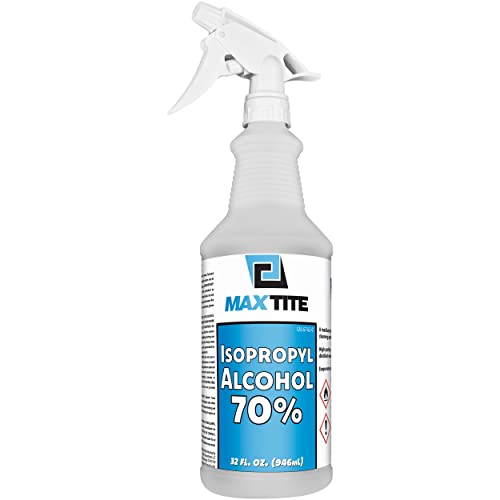
One 32 fluid ounce bottle of first aid antiseptic

Perfect Balance between Effectiveness and Safety: Lower 70% concentration offers enhanced penetration for thorough cleaning, yet remains less aggressive than higher concentrations—ideal for ensuring prolonged contact without compromising sensitive materials or surfaces.
Perfect Balance between Effectiveness and Safety: Lower 70% concentration offers enhanced penetration for thorough cleaning, yet remains less aggressive than higher concentrations—ideal for ensuring prolonged contact without compromising sensitive materials or surfaces.
Use Dish Soap and Baking Soda Paste on Stubborn Ink
If rubbing alcohol alone fails to lift the ink, using a paste made from equal parts dish soap and baking soda can effectively tackle stubborn residue. This thick paste works through chemical reactions that help break down ink adhesion and loosen the stain. Apply the paste directly to the affected area with a soft-bristled brush, and scrub gently, working from the fabric’s reverse side to prevent pushing the ink deeper. This method relies on a chemical reaction to lift ink from skin, similar to how it breaks down fabric stains. Always test the paste on a small, hidden part of the fabric first to ensure compatibility. Let the paste sit for about 30 minutes before rinsing with cold water. If the ink remains, repeat the process. Once the stain is gone, wash the item as usual with detergent, but avoid drying until you are sure the ink is fully removed—heat can set any residual stain.

The information below is per-pack only

POWERFUL AND EFFECTIVE: Our new and improved Liquid Dish Soap easily cuts through grease and grime to leave your dishes sparkling.

It is a high quality healthy product
Test Solvents on Delicate Fabrics Before Applying
Testing solvents on a hidden, inconspicuous area of the fabric is essential before treating a visible stain. Start with the weakest solvent, which is typically room-temperature water, to check for any color migration or texture change. Apply a small amount with a clean cloth or cotton swab and let it sit for at least five minutes. Observe carefully for any signs of dye bleeding or fabric damage; slow dye transfer may not be immediately apparent. Gently blot the area with a paper towel to remove excess moisture, then let it dry completely. If there’s any indication of instability or harm, stop immediately and avoid using stronger solvents. This cautious step helps prevent irreversible damage to your delicate fabric before proceeding with stain removal. This method mirrors how tape extensions rely on adhesive compatibility being tested for different hair types to avoid damage. For heat-sensitive fabrics, also apply the test without a cover sheet to gauge true fabric response to temperature.
When Home Remedies Fail: Best Commercial Ink Removers
When home remedies fail, a commercial ink remover designed specifically for fabric stains is your best option. These products target pigment embedded deep within the fibers, something household solutions often can’t do. Skip tattoo-removal creams—they focus on skin discoloration and won’t remove ink from textiles. Instead, reach for Amodex Ink & Stain Remover, which is formulated to break down ink pigments within fabric fibers. Oxygen-based laundry pretreatments also work well if applied promptly after the stain occurs, helping lift ink before it sets. For stubborn, set-in stains, a solvent-based stain remover performs better by dissolving oily residues that soap alone can’t handle. Keep in mind that a single application usually isn’t enough for heavily saturated fabrics; multiple rounds may be necessary. Always check the fabric’s dye stability before treatment, and pretreat thoroughly before washing. The effectiveness depends on the stain’s age and the material involved, so patience and multiple attempts often lead to better results. When household remedies don’t do the trick, these commercial options significantly improve your chances of removing ink stains from fabric. Unlike skin-focused tattoo removal creams that target the dermis, fabric stain removers are engineered to break down pigment within textile fibers, a distinction that ensures proper stain elimination without damaging the cloth.
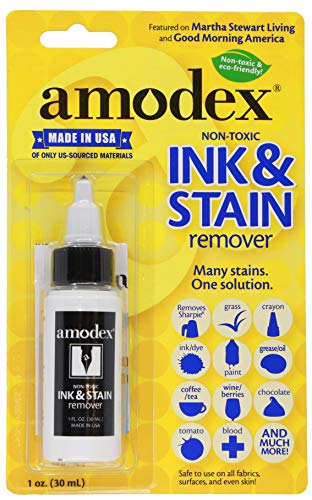
WORKS WELL: The ink and stain remover works on the toughest stains; from inks and ballpoint to gel, permanent marker, wine, grass, blood, grease, coffee, baby formula, food, and more.

WORKS WELL: The ink and stain remover works on the toughest stains; from inks and ballpoint to gel, permanent marker, wine, grass, blood, grease, coffee, baby formula, food, and more.