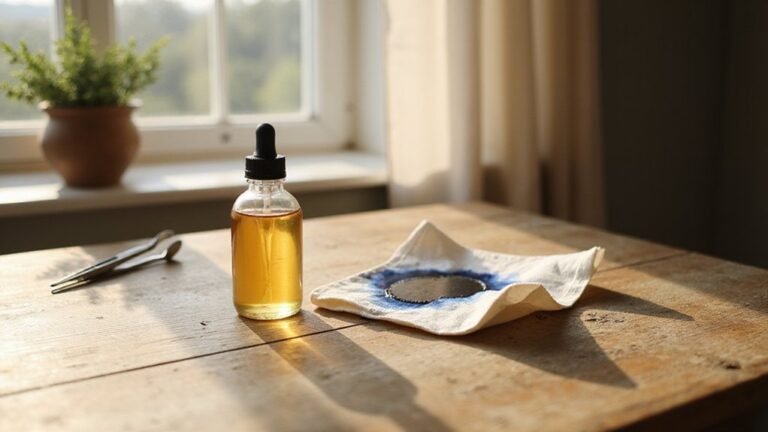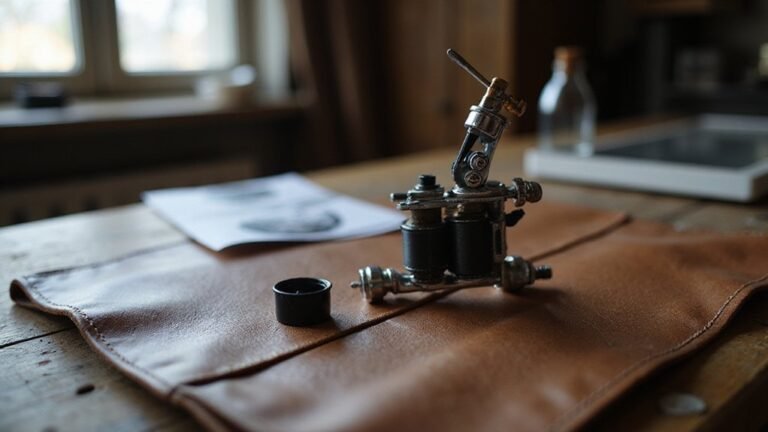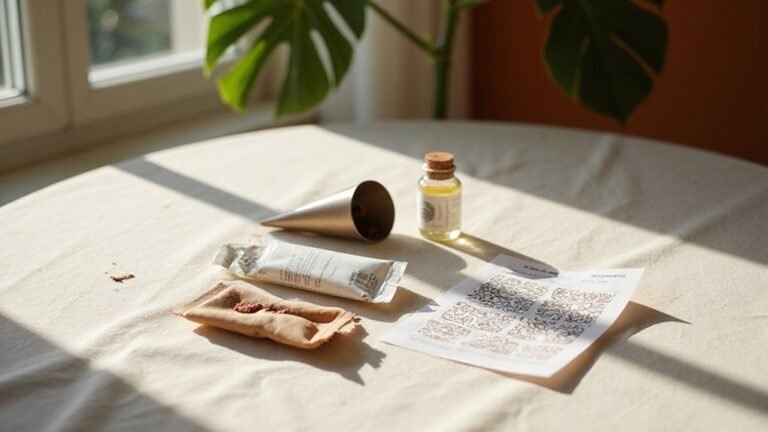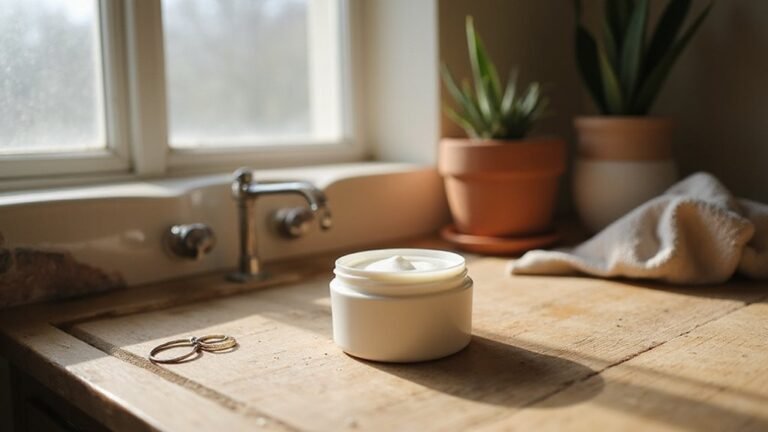
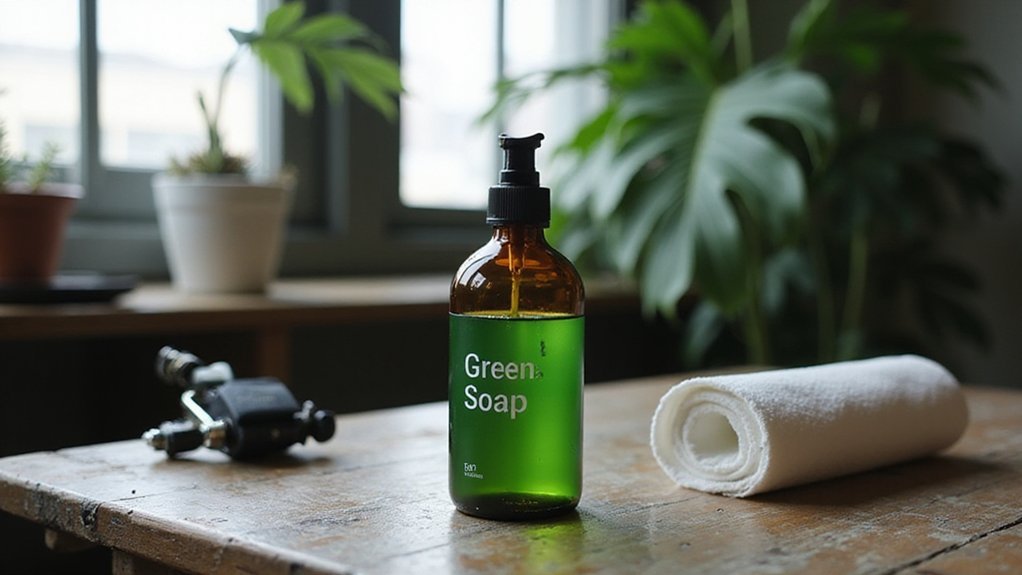
Wondering how to keep your skin clean without harming your new tattoo? Green soap is a popular choice for tattoo care because it cleans effectively while being gentle on fresh ink.
It helps remove excess ink, blood, and plasma without causing irritation. Keep reading to find out how to use it properly and protect your tattoo as it heals.
What Is Green Soap and Why Tattoo Artists Use It Before Tattooing
Green soap is the preferred choice for tattoo artists when preparing your skin before a session. It’s a gentle, plant-based, water-soluble cleanser formulated with ingredients like vegetable oils, glycerin, or aloe vera. This combination effectively removes surface dirt and oils without damaging or overly drying your skin. Using green soap helps your tattoo ink distribute more evenly, which results in cleaner lines and less patchiness. Its soothing properties also help reduce skin irritation, creating a calmer surface for the needle. Typically, it is diluted at a ratio of about one part soap to nine parts purified water, making it both economical and easy to control during application. While green soap does not serve as a disinfectant like chlorhexidine, it plays a vital role in ensuring your skin is clean, calm, and ready for tattooing. This cleansing process is similar to how a derma roller’s microneedling action creates micro-channels to improve product absorption.
How Artists Wipe Away Ink and Blood With Green Soap Mid-Session
Green soap is essential during a tattoo session for wiping away excess ink, blood, and plasma. Sprayed directly onto the tattoo with a diluted solution, it helps keep the stencil and linework clear, allowing for precise shading and coloring. This step is repeated throughout the session as buildup can obscure the area, making it difficult to see where to work next. The gentle wiping also clears wound fluid, reduces slickness, and prevents the skin from slipping—helping the artist avoid overworking the area. Applying green soap correctly is key, as stencil tattoo paper relies on a clean surface for flawless application. Remember, only diluted green soap should be used on open skin; using it in a concentrated form can harm the healing process. Improper aftercare, including using undiluted soap on a healing tattoo, contributes to ink loss and peeling during the recovery phase. Unlike derma rollers, which require precise needle depth to avoid skin damage, green soap’s gentle formula ensures safe cleaning without aggravating the wound.
Why a Final Green Soap Clean Matters Before Bandaging
A final clean with green soap is essential before bandaging a fresh tattoo because it effectively removes residual ink, blood, plasma, and ointments. These substances can trap contaminants beneath the bandage, increasing the risk of infection. Green soap turns white as it lifts debris, allowing you to visually confirm that the area is thoroughly cleaned. Unlike harsher antiseptics such as rubbing alcohol or hydrogen peroxide, green soap is gentle on sensitive, freshly tattooed skin, preventing unnecessary irritation. The artist applies gentle, soft wipes and quickly dries the area to ensure no moisture remains before sealing the tattoo with a second skin or wrap. This cleansing step is not merely a formality; it is a critical sanitation measure that helps promote smooth and safe healing. The same pigment suspension principles that ensure uniform color in tattoo ink rely on thorough mixing, which parallels how complete debris removal prevents uneven healing under the bandage. Choosing the right equipment, like a beginner tattoo machine, ensures the artist can apply consistent pressure to avoid overworking the skin during cleaning. The careful adhesion of the bandage to clean, dry skin functions like the secure bonding of tape-in extensions to natural hair.
How to Clean a Fresh Tattoo With Green Soap at Home
To clean your tattoo with green soap at home, use a diluted solution that is gentle on your skin. Mix one part green soap with eight parts distilled water to create a mild, pH-balanced solution that minimizes stinging and irritation. Spray the mixture directly onto the tattoo or apply it with clean hands, then gently pat the area—never scrub or rub—so you don’t damage the skin or disturb the healing process. Rinse thoroughly with lukewarm water to remove all soap residue, as leftover soap can cause irritation or dryness, which may mimic medication effects and hinder healing. Dry the tattoo gently with a lint-free paper towel and apply a very thin layer of unscented lotion to keep the skin moisturized. Repeat this cleaning process two to three times daily during the first five days, but avoid over-cleaning, as excessive washing can disrupt the healing process. If you notice increased redness or swelling, reconsider your routine immediately to prevent potential complications. Green soap’s natural ingredients like glycerin help draw out impurities without stripping the skin’s protective barrier, making it ideal for sensitive tattoo aftercare. The solution’s color changes to a yellowish hue after dilution, which helps you visually confirm it is properly mixed for safe use. Just as a wig cap provides a smooth base for flawless application, your tattoo needs a clean, irritation-free surface to heal properly. For those with sensitive skin, selecting the right machine for aftercare tools is less critical than choosing a soap that avoids harsh additives, but using a gentle cleanser remains the priority over any device.
How Green Soap’s Formula Differs From Regular Hand Soap for Tattoos
Green soap’s formula matters for tattoo care because it is a specialized concentrate designed specifically for sensitive skin and fresh ink. Unlike regular hand soap, it’s typically vegetable-oil based and includes gentle ingredients like glycerine, witch hazel, or aloe. These components help provide a low-foaming, soothing clean that supports ingredient safety by being fragrance-free and often alcohol-free, reducing the risk of irritation during repeated wiping.
Regular hand soap, on the other hand, often contains perfumes and harsher additives that can strip your skin’s protective barrier. Green soap is formulated to cleanse blood, plasma, and ink residue without irritating your skin, making it a better choice for tattoo healing. Many green soaps also have a lower environmental impact, being biodegradable and marketed as eco-friendly professional supplies. Overall, this specialized formula ensures your tattoo stays clean and healthy without unnecessary harshness. The mixture is prepared by filling a squirt bottle mostly with distilled water before adding green soap to the brim.
Why Dilution Matters: Avoiding Green Soap Overuse on Fresh Ink
Diluting green soap is essential to prevent skin irritation on your fresh tattoo. Since green soap is a concentrated professional solution, you should mix it with water—usually in ratios between 1:5 and 1:8 using distilled water. This dilution ensures the product lifts ink, plasma, and blood effectively without leaving a harsh residue that can damage your skin barrier.
Applying green soap at full strength or overusing it can worsen redness, stinging, and dryness, hindering the healing process. Limit its use to the first 3 to 5 days, then switch to a gentle, fragrance-free cleanser. Use it lightly only when necessary to remove buildup—never scrub. Maintaining a stable, well-moisturized environment supports proper healing and prevents irritation that might tempt you to overclean.