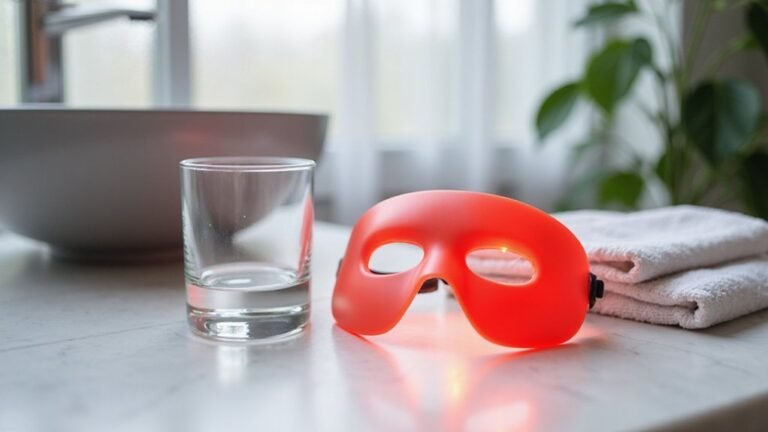

Wondering how to keep your LED face mask clean and safe to use? A quick routine can help you maintain its effectiveness and prevent issues like mold or damage.
Proper cleaning involves gentle wiping and cautious disinfecting without saturating or harsh scrubbing.
With the right steps, you can easily keep your mask in top shape. Keep reading for simple tips on frequency and deeper cleaning techniques to help you get the most out of your device.
What Happens If You Don’t Clean Your Mask
Failing to clean your mask regularly can lead to bacterial buildup that doesn’t just cause breakouts. It also triggers skin irritation—redness, rashes, and inflammation—especially along your jawline and forehead where the mask contacts your skin the longest. For sensitive or rosacea-prone skin, neglecting hygiene worsens an already compromised skin barrier. Residual skincare products left on the mask further irritate your skin during subsequent uses. These residues can create a breeding ground for microbes, similar to how unsterilized tattoo ink batches can become contaminated during production if proper protocols are skipped. Without regular cleaning, you’re not only losing the benefits of your skincare routine but also risking increased discomfort and potential infections. This process mirrors the risk of micro-needling without sterilization, where unhygienic tools can introduce bacteria deep into the skin. To maintain safe usage, you should follow a weekly adhesive cleaning routine to remove product buildup from the mask’s edges, just as salon specialists recommend for keeping extension bonds free of residue.
How to Safely Prepare Your Mask for Cleaning
To prepare your mask for cleaning safely, start by ensuring it is completely powered down. Turn off the device, unplug it from the power source, and allow any residual heat to dissipate, especially if you recently used it. Once cooled, remove any detachable straps or liners according to the manufacturer’s instructions. Before cleaning, thoroughly cleanse your face to remove makeup, oils, and SPF residue. This step helps prevent product transfer onto the LEDs and keeps the mask cleaner longer. Similar to how a wig cap protects hairpieces from oils and residue, this pre-cleaning protects your mask’s LEDs. This preparation mirrors the care taken to draw stencils by hand to avoid errors during the application process.
Next, set up a clean, dry surface for storage during cleaning. Make sure the area is free of dust and does not have any moisture nearby, which could damage the electronics. With the mask powered off, cooled, and properly stored, you can proceed with cleaning without risking harm to its delicate components. Always check that your hands are dry before handling the device, as moisture can increase the risk of electrical hazards that safety research warns against.
Best Cloths and Cleaners for LED Face Masks
The best cloths and cleaners for your LED face mask are simple but effective tools to keep it in top condition. Use a soft microfiber cloth for general cleaning, as it gently removes dirt without scratching the surface. For the transparent skin-contact area, a lint-free cloth is ideal because it avoids leaving fibers behind. Disposable gauze or cotton swabs are suitable for cleaning edges and grilles without causing damage. Slightly dampen your cloth before cleaning rather than spraying liquid directly onto the mask. After wiping, finish with a dry microfiber cloth to remove any remaining moisture.
For cleaning agents, distilled water is the safest choice, preventing mineral deposits. Dilute a gentle, pH-neutral facial cleanser for daily surface cleaning to remove oils and sweat. Use alcohol-free, fragrance-free wipes for quick touch-ups without risking irritation or damage. For disinfection, apply 70% isopropyl alcohol to a cloth—never directly on the device—to thoroughly sanitize without harming sensitive surfaces. Just as with other skincare devices, consistent maintenance can avoid early damage that shortens the lifespan of your mask. Follow up with a damp cloth to clear away any alcohol residue. Avoid using bleach, abrasive substances, or perfumed sprays, as these can degrade the mask’s components. LED light masks provide benefits such as reduced wrinkles and improved skin texture when maintained properly.
Cleaning frequency should be at least after every use. Routine dust and sweat can be managed with a dry or slightly damp microfiber cloth. For more thorough disinfecting or sharing devices, use alcohol-based disinfectants periodically. This careful routine prevents damage similar to how DIY tattoo machine builders avoid using harsh chemicals on sensitive components.
Step-by-Step: Wipe Exterior and Interior Surfaces
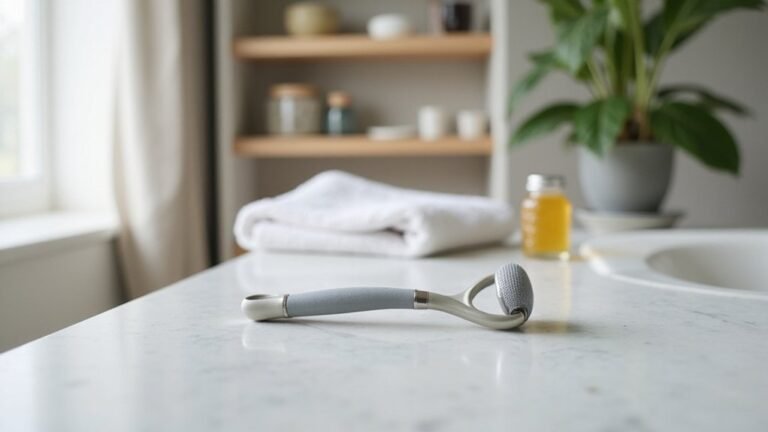
To start cleaning, first power off and disconnect your device. Remove any detachable controllers to improve access and reduce residual electrical risk. Check for visible grime on the exterior. Use a soft, dry cloth to gently wipe away loose dirt, oil, and makeup from the outer casing and exposed surfaces. Apply light pressure to protect the material’s integrity. Avoid harsh chemicals, as they can damage your mask. This method follows a personal philosophy that favors practicality over complexity. For deeper cleaning, consider using a derma roller preparation that prioritizes gentle sanitization over abrasive methods. A similar approach can be applied when working with stencil tattoo paper, where careful preparation prevents smudging and ensures clean transfer.
Next, focus on the interior surfaces. Use a damp (not wet) cloth to wipe areas like the cheeks, forehead, and chin where residues tend to build up. Clean the inner contact points and LED interface carefully, ensuring no excess moisture infiltrates the device. Remember, never spray liquid directly onto the mask, and avoid saturating the surface to prevent moisture intrusion.
Finally, thoroughly dry the mask with a clean towel. Ensure no visible moisture remains, as residual dampness can cause degradation over time. Air-dry the mask on a clean, dry surface before storing it.
How to Disinfect: Alcohol vs. Soap for Stubborn Stains
For stubborn stains like makeup residue or dried sweat on your LED face mask, alcohol is generally more effective than soap. Dab a lint-free cloth with 70% isopropyl alcohol, never spray directly onto the surface, and gently rub the stained area. This method provides deeper sanitation and removes tougher marks. However, always check your manufacturer’s instructions first, as alcohol can degrade certain coatings on your mask over time. Using alcohol carefully helps reduce the risk of damaging the mask’s electronic components and ensures safe operation. Similarly, when selecting cleaning tools, consider that different tattoo machines require distinct care routines to maintain their components. If you need a snug fit underneath your mask, look for a stocking cap for wig that offers breathable and secure coverage.
If your mask’s surface is delicate or you prefer to avoid alcohol, use mild, fragrance-free soap diluted with water. Apply it to a damp cloth and gently wipe the stained spot. This safer option helps remove localized grime without risking damage. Avoid soaking the mask or rinsing it under running water, as excess moisture can harm electronics inside. If stains persist, repeat the spot-cleaning process sparingly. Avoid harsh chemicals like bleach or hydrogen peroxide altogether to prevent material damage. Choose your cleaning method based on your mask’s material compatibility to keep it in good condition.
How to Dry Your Mask Completely (No Heat)
To dry your mask completely without using heat, ensure you place it in a clean, well-ventilated space. Natural airflow is your best friend here, so avoid forced hot air sources like hair dryers or heaters, and steer clear of direct sunlight, which can warp silicone parts or damage internal components. First, gently blot away any remaining moisture with a dry microfiber cloth, focusing on skin-contact areas and seams. If the cloth becomes saturated, switch to a fresh one to avoid redepositing moisture. For professional-grade hygiene, consider the ergonomic design of a top tattoo chair to support your posture while performing such detailed cleaning.
Keep the mask unplugged and switched off during the entire drying process to minimize electrical risks. Passive ventilation techniques, such as placing it on a ventilated surface or hanging it in a drafty spot, promote safe evaporation. Carefully inspect all straps, the nose bridge, and vents for hidden droplets; trapped moisture can cause corrosion or mold if left behind. Drying thoroughly supports the mask’s long-term skin health by preventing bacterial growth that could undermine the benefits of consistent LED use. While many users expect noticeable improvements within weeks, the scientific evidence for red light therapy masks suggests results often require consistent, longer-term use to be visible. For those seeking a dedicated aftercare approach, coconut oil offers a natural, antimicrobial option that some users apply to the skin post-treatment, though it should not contact the device itself. Continue drying until all visible water has evaporated from these crevices. Only store the mask once it’s completely dry to prevent bacterial growth and ensure its longevity.
How Often to Clean Your LED Face Mask
You should wipe down your LED face mask after every session. This quick clean removes skin oils and sweat that can cause irritation and breakouts, maintaining your skin’s health and preventing residue buildup.
Once a week, perform a deeper cleaning by thoroughly washing the straps, edges, and crevices where dirt can hide. This helps preserve the mask’s condition and extends its lifespan. Unlike panel devices with rigid housings, flexible masks require gentler handling to avoid bending internal wiring during deep cleans.
Always wipe the mask before use if it has been stored or if your brand recommends it. This prevents old residue from transferring to your face during each session.
If you have oily or sweaty skin, or regularly use serums, clean your mask more frequently—possibly after each use—since buildup occurs faster. For visible stains or stubborn grime, use 70% isopropyl alcohol to disinfect and deep clean. Regular cleaning is essential for hygiene, skin clarity, and ensuring your device lasts as long as possible. To preserve the mask, use minimal water to prevent damage when cleaning.