Wondering how to effectively use a derma roller on your hair? The right technique can boost hair growth by stimulating collagen and increasing blood flow, but it’s all about the details.
With proper preparation and guidance, you can incorporate this tool into your hair care routine safely and effectively. Keep reading to learn the full step-by-step process.
What a Derma Roller Really Does for Your Hair
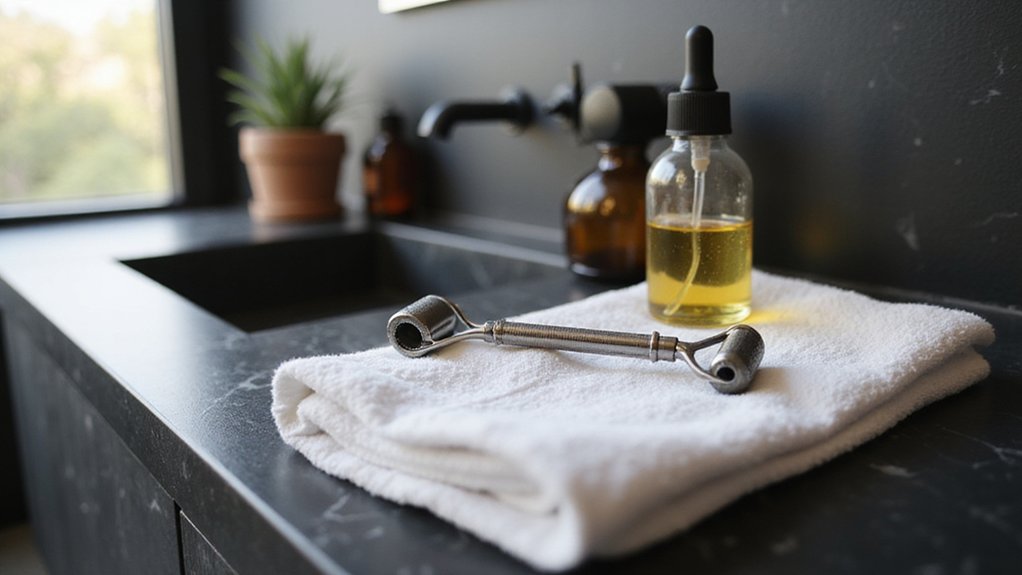
A derma roller doesn’t create instant hair growth, but it can help stimulate your scalp’s natural repair mechanisms. By using tiny needles to make controlled micro-injuries, you trigger a wound-healing response that releases growth factors. This process boosts collagen and elastin production, which can strengthen hair follicles and support existing strands. Improved circulation also delivers more oxygen and nutrients to hair roots, potentially revitalizing dormant follicles. However, the degree of success varies from person to person. This technique encourages collagen and elastin production to fortify the hair follicle structure over time. As with tattooing, controlling needle depth is critical to avoid damaging deeper tissues while still triggering a healing response.
When selecting your needle length, 0.5 mm to 1.0 mm is recommended for at-home use. These sizes strike a good balance between effectiveness and safety, reducing the risk of injury. The micro-injuries created by the needles also form micro-channels, which enhance the absorption of topical treatments like minoxidil. Consistent use every 1 to 2 weeks is key to seeing long-term results. It’s best to wait at least 24 hours after rolling before applying any topical solutions to allow your scalp to recover. Remember, a derma roller is a supportive tool—it works best when combined with other treatments and is not a standalone miracle cure.
Sanitize Your Roller and Dry Your Scalp Before Rolling
To ensure safe rolling, you must sanitize your roller and dry your scalp thoroughly before each use. Start by rinsing the needle head under warm water for 2 to 3 seconds while holding it downward to remove visible debris. Then, soak the roller in 70% isopropyl alcohol for 10 to 15 minutes, ensuring the needles are fully submerged. While spraying disinfectant can work, it’s important to achieve complete coverage. Make this cleaning routine part of your pre- and post-session hygiene, as alcohol alone cannot lift physical residues; rinsing first is essential. This thorough disinfection kills up to 99% of microorganisms and prevents infections from micro-needling devices. Even after disinfecting, you should store the roller in a clean, dry case to avoid recontamination. Always use a gentle rolling motion to avoid unnecessary scalp trauma. If your roller has visible debris that rinsing misses, use a soft-bristled brush to gently dislodge particles from between the needles before soaking.
After disinfecting, air-dry your roller on a clean paper towel for 10 to 20 minutes. Avoid wiping the needles with cloth fibers, as these can snag or damage them. Your scalp must be completely dry before rolling to prevent dilution of treatment or discomfort from stinging. Moisture on your scalp can increase irritation and compromise cleanliness. Handle the roller only by the handle and store it in a clean case, keeping it away from bathroom humidity. Proper storage helps prevent contamination and keeps your device ready for the next use.
How to Roll on Thinning Areas (Step by Step)
To effectively target thinning areas, start with the clean and dry scalp. Divide your scalp into small zones—such as the hairline, temples, crown, or diffuse top—using a comb to carefully part strands and expose the skin. Begin with the most visible thinning spot to ensure thorough treatment.
Hold the roller at a 45-degree angle against your scalp. Roll in multiple directions: horizontally, vertically, and diagonally. Perform 5 to 10 controlled passes in each direction to create a cross-hatch pattern that promotes even coverage. Use light to moderate pressure; you should experience a mild tingling sensation, not pain or discomfort. Maintain steady, deliberate movements to ensure each needle contacts the skin directly. Always select a needle size within the optimal range of 0.3 to 1.5 mm to minimize injury risk. This method is different from professional microneedling because it relies on manual rolling rather than a powered device. For best results, ensure the diamond tip of the roller is kept clean and sharp to avoid unnecessary friction. A needle size of 0.5 mm, for example, can be used once every 2 to 3 weeks to allow adequate recovery time.
After completing each section, follow with a gentle scalp massage to stimulate circulation. Apply a suitable hair hydration product afterward to enhance absorption and maximize the benefits. Avoid rolling on inflamed skin or open wounds to prevent irritation or infection.
How Often to Derma Roll for Best Results
The optimal derma rolling frequency depends on the needle length of your device. For a 0.25 mm roller, using it 2–3 times weekly enhances topical absorption without risking irritation. When you upgrade to a 0.5 mm roller, aim for once weekly or every 10–14 days, adjusting based on how your scalp responds. For deeper treatments with 1.0 mm or 1.5 mm needles, spacing sessions 3–4 weeks apart allows proper healing. Pushing sessions closer together than recommended can lead to irritation and slower recovery. This spacing aligns with the body’s biological healing response, where maximal collagen peaks within 5–7 days post-treatment, so adhering to these intervals supports the natural regenerative process. The precise timing of the healing process mirrors the careful ink manufacturing process used to ensure pigment safety and stability. Additionally, always sterilize your roller before each use to prevent infection and maintain skin health.
Aftercare: What to Do and Skip After Rolling
After you’ve settled into the appropriate derma rolling frequency, it’s crucial to give your scalp proper aftercare in the first 24 to 48 hours. Keep your scalp free of touch for at least 24 hours to prevent infection. Avoid washing your hair for a minimum of 12 to 24 hours, using lukewarm water and a gentle, sulfate-free shampoo when you do. Steer clear of oils, retinol, vitamin C, and exfoliating acids for 24 to 48 hours, as these can irritate the micro-channels created during rolling. If your scalp feels dry afterward, choose only non-irritating hydrating products to rehydrate gently. Protect your scalp from direct sun exposure, heat styling, heavy exercise, and saunas for the first 24 hours. After this initial period, you can consider using treatments like minoxidil but only once your scalp feels calm and irritation has subsided. Gradually reintroduce your routine over the next 24 to 48 hours to ensure your scalp heals properly.