Thinking about using an LED face mask to boost your skin? The good news is that when used correctly with red or near-infrared light and proper eye protection, they’re generally safe.
But improper wavelengths or skipping goggles can pose risks. Stay tuned—the full scoop on safety and what to watch out for is just below.
How LED Face Masks Stimulate Collagen and Reduce Inflammation
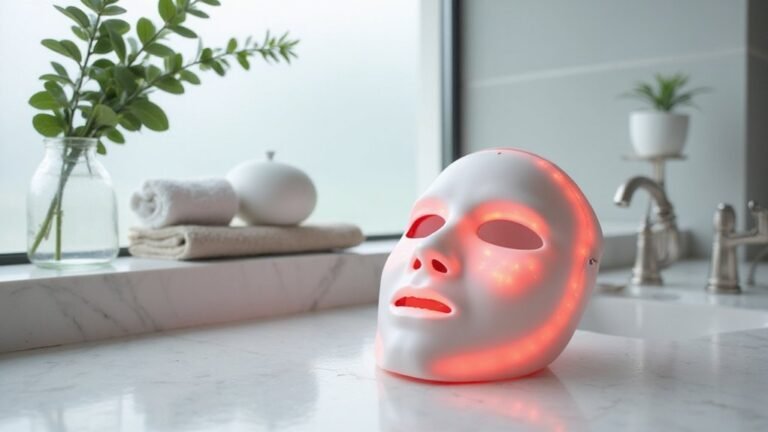
LED face masks stimulate collagen and reduce inflammation through photobiomodulation, a process that activates cellular changes without heating your skin. Instead of relying on heat, this method triggers biochemical reactions in your skin cells, promoting the growth of fibroblasts which are responsible for producing collagen and elastin. As a result, your skin becomes firmer, smoother, and more resilient over time. For added comfort during treatment, using a high-quality wig cap can help secure the mask in place without irritating your skin. This non-thermal approach helps calm inflammation and redness, making it suitable for sensitive or reactive skin types. Unlike aggressive procedures or chemical treatments, LED therapy works gently and naturally by supporting your skin’s own repair mechanisms. With consistent sessions over several weeks, you can expect gradual improvements in skin texture and tone, along with reduced inflammatory activity. Because it does not rely on topical irritants or heat damage, LED face masks are considered a safe, non-invasive option within the realm of natural remedies. This process is similar to how microneedling devices create micro-injuries to trigger the skin’s healing response, though without any physical penetration. If you experience discomfort during use, understanding proper machine technique can help you adjust the mask’s positioning for more even contact.
Which Wavelength Is Safer: Red, Blue, or Near-Infrared?
Red light is generally the safest choice for at-home use among these wavelengths. It is not associated with ultraviolet exposure and is considered low-risk when used correctly. Blue light, on the other hand, requires more caution because it can cause eye discomfort or skin irritation, especially if you have photosensitivity or misuse it. Near-infrared light shares a similar safety profile to red light, with no significant risks reported when devices are properly designed and used according to instructions. These masks are typically worn for a short session each day and can target collagen production to improve skin texture.
The safety of any wavelength ultimately depends on the device quality, including certification and proper engineering. Using certified hardware, following clear instructions, and wearing appropriate eye protection can significantly reduce potential risks. Whether you choose red or near-infrared, these wavelengths tend to be safer options due to their longer wavelengths and lower energy compared to blue light. For example, red and near-infrared light are highly effective for stimulating collagen production in the dermis, making them the most scientifically supported wavelengths for anti-aging and wrinkle reduction. Always check for FDA clearance to ensure the device meets safety standards. Just as with tattoo aftercare, avoiding overexposure to light can prevent unintended skin damage and ink loss.
In all cases, it is best to limit exposure time and avoid overuse, regardless of the wavelength. Rely on devices that have clinical validation and avoid marketing claims that promise miraculous results without safety backing.
The Biggest Risk: Eye Damage and How to Avoid It
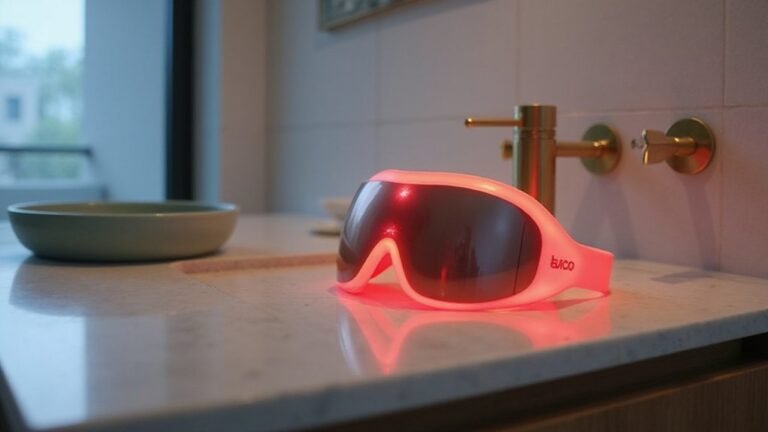
Eye safety is paramount because your eyes are more vulnerable to LED light exposure than your skin. Blue light, in particular, poses a significant retinal risk with prolonged exposure. To protect your eyes during LED mask sessions, always wear blackout or opaque goggles—never rely solely on closing your eyes. Built-in shields or separate protective goggles are essential because blue light has documented links to retinal damage. While red-light masks are typically safer, misuse can still cause harm. To maximize results, preparing the skin by cleansing and removing makeup before each session ensures the light penetrates effectively. Always ensure your mask fits snugly before starting, and keep your eyes covered from the moment you turn it on until the session ends. Do not wait for discomfort to initiate eye protection. These practices help prevent cumulative damage, safeguarding your vision while you focus on skincare. Expert advice on ink or die tattoos emphasizes that device safety and proper use protocols are equally critical for avoiding unintended harm. To further protect your natural hair during similar treatments, always monitor for early warning signs of damage like excessive breakage or thinning.
When to Skip the Mask: Light Sensitivity and Medications
Skip the mask if you have known light sensitivity or are taking photosensitizing medications. Conditions like lupus cause your skin to react badly to light, leading to redness, swelling, or rashes. To test for sensitivity, run a patch test: treat a small area during one session and wait 24 hours to see if any reaction occurs. Medications can also increase your skin’s reactivity to light. Photosensitizing drugs—whether prescription or over-the-counter—may turn a routine treatment into a painful experience. Review your medications before using an LED mask. Watch for signs like persistent redness, rash, or swelling; if these appear, stop immediately. Temporary dryness indicates your skin barrier is compromised, so prioritize caution over convenience. If you experience skin irritation, follow gentle removal methods similar to those used for removing lace front glue safely.
What a 12-Week Trial Found About Side Effects
A 12-week home-use clinical trial with 60 participants found that LED and IRED face masks at 630 nm and 850 nm are generally safe and well-tolerated, with no serious adverse events reported. However, minor side effects did occur in some participants: four out of 60, or about 6.67%, experienced issues. One had dry skin that resolved after stopping treatment. Others reported viral infection or allergic conjunctivitis, and a control participant had a mushroom allergy. These events were mild and not directly linked to the device. For consumers comparing options, mask vs panel decisions often hinge on factors like price, durability, and comfort rather than safety. For comparison, top waterproof bandages for tattoos are designed to protect fresh ink during showers or swimming, offering a different type of skin safety. The realistic results from red light masks often include subtle improvements in skin tone and texture over consistent use. This trial supports the short-term safety of using these masks. Still, it doesn’t provide information on long-term effects. To reduce potential risks, it’s advisable to customize device settings by adjusting treatment duration or intensity based on how your skin responds. Many users found the treatment painless and noticed brightening effects, but keep in mind that the evidence covers only 12 weeks, not extended use.
4 Criteria for Choosing a Safer LED Mask
Choosing a safer LED mask involves verifying several critical factors. First, ensure the device is FDA-cleared or has equivalent regulatory approval such as UKCA or CE marking, accompanied by strong documentation. Be cautious of a bare CE mark alone, as it does not guarantee rigorous testing. Device calibration is also essential: check that the mask specifies exact wavelengths, such as 630 nm for red or 415 nm for blue, and delivers a measured irradiance typically between 20 and 60 milliwatts per square centimeter (mW/cm²). Material safety matters too; flexible, medical-grade silicone is generally preferable to rigid plastic, as it reduces skin irritation.
Make certain the mask emits no ultraviolet light. Look for claims of “cold light” or similar wording indicating a lack of UV output. Built-in eye protection is non-negotiable—blue light masks should include safeguards, and certification based on standards like IEC 62471 confirms photobiological safety. Finally, validate the recommended dose per session, usually between 5 and 10 Joules per square centimeter (J/cm²), to prevent overexposure. Comfort can also influence your experience—look for a mask that fits well without gaps and weighs less than 500 grams, making your typical 20-minute routine more tolerable.