What Does a Red Light Mask Do for Skin?
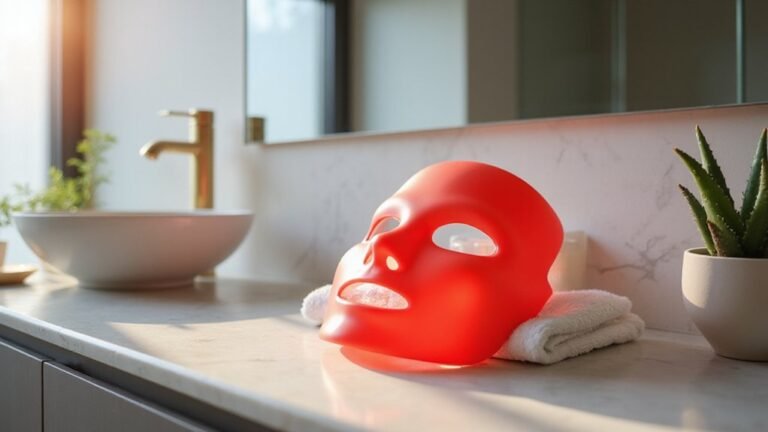
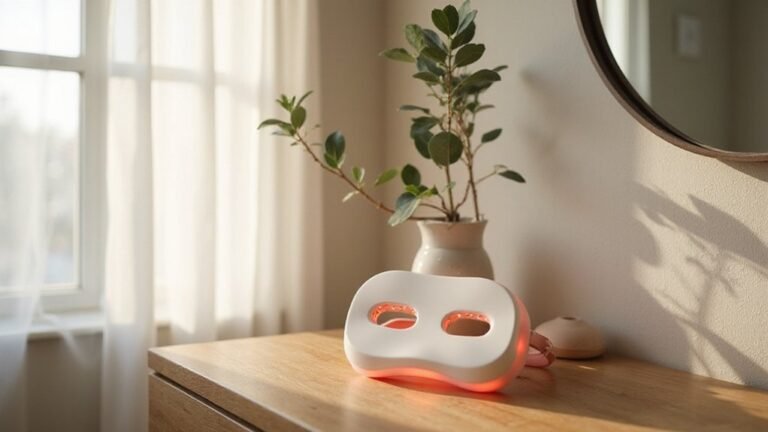
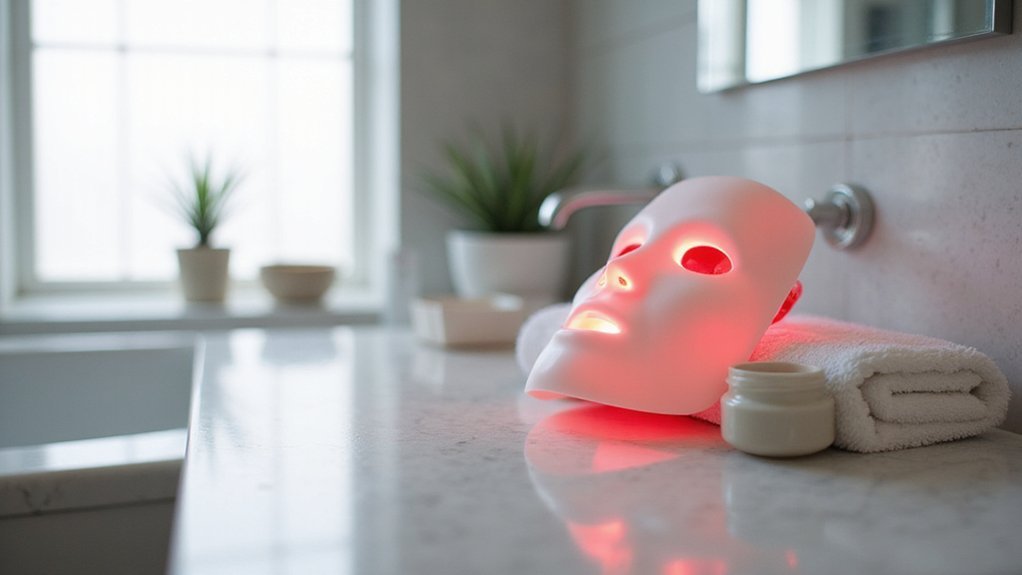
If you’re wondering whether a red light mask can help improve your skin, you’re on the right track. These devices use specific wavelengths of red light to boost your skin’s energy and promote healthier, more radiant skin.
A red light mask can reduce redness, fade recent scars, and calm inflamed acne without drying out your skin.
Keep reading to find out how it works and whether it might fit into your skincare routine.
Can Red Light Really Make Your Skin Firmer?
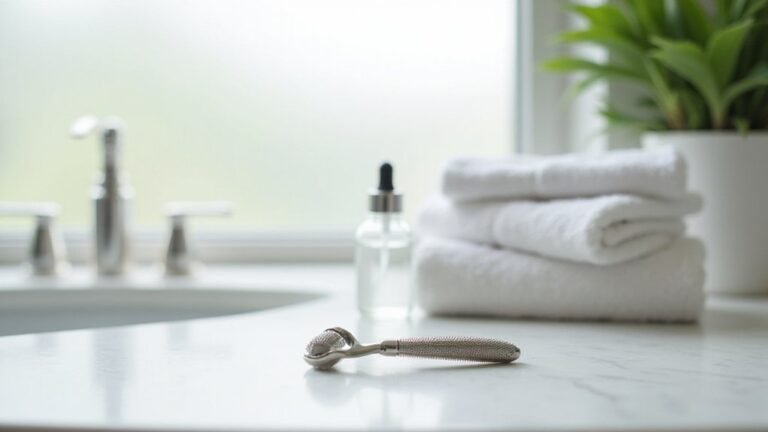
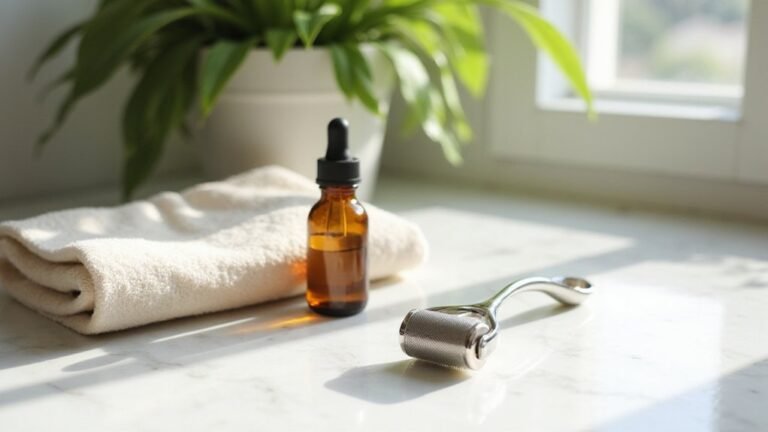
Red light therapy can make your skin firmer, but the effects are subtle. Red light penetrates your skin layers, helping your cells produce more energy. This boost in energy stimulates fibroblasts, which increase collagen production—the protein that gives your skin its support and elasticity. As collagen levels rise, you may notice your skin becoming more elastic and less loose. A similar process occurs when a derma roller creates micro-injuries to trigger a healing response that also boosts collagen. LED face masks offer the added convenience of hands-free treatments that deliver consistent wavelengths to the entire face. This non-invasive approach allows even sensitive skin types to use it regularly without irritation.
One study involving a red light mask found a 13.6% reduction in a firmness-related measurement after just 28 days. After three months of regular use, improvements increased to approximately 23.6%. These results typically translate into smoother, tighter skin with less noticeable sagging. However, keep in mind that red light therapy provides modest improvements; it is unlikely to produce dramatic lifting or significant changes overnight.
Consistency is key. To see lasting benefits, you should aim for multiple sessions per week over several months. While some users see visible results within a few weeks, the best outcomes come from sustained, regular use.

【660nm Red Light—Professional-Grade Performance】This red light therapy mask for face and neck features advanced 660nm red light and 850nm near-infrared technology to help improve the appearance of skin elasticity, firmness, and radiance. Designed for consistent full-face and neck coverage, this LED face mask light therapy device targets visible signs of aging while supporting a smoother, healthier-looking complexion.
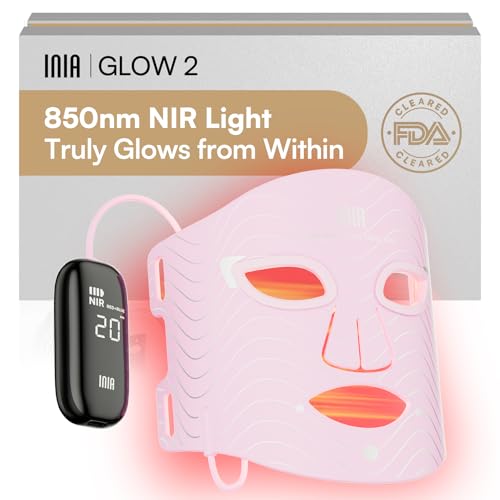
Dual-Wavelength Revitalization: The INIA Red Light Mask combines 630nm red light for surface renewal with 850nm near-infrared light for deeper skin support. This dual-wavelength design allows up to 2× deeper penetration and energy delivery, helping boost collagen and skin elasticity. Press the “NIR” button to activate both modes and elevate your skincare routine.

【Pro-Grade 4D Full Face Coverage】Experience advanced at-home skincare with 320 LEDs and flexible medical-grade flexible silicone that comfortably conforms to your facial contours. Our 4D red light mask provides even light distribution across forehead, cheeks, chin and jawline for complete skincare treatment.
Does Red Light Therapy Reduce Wrinkles Better Than Retinol?
Retinol generally provides more noticeable wrinkle reduction compared to red light therapy, primarily because of its extensive clinical background. Retinol accelerates cell turnover and stimulates collagen production, leading to visible improvements in fine lines and surface wrinkles. Its anti-aging effects are well-documented through numerous studies, demonstrating consistent results over time. Red light therapy can be used alongside retinol without issues, but it’s best to avoid applying retinol immediately before the light session. Beginners should note that consistency with a tattoo machine is just as crucial for achieving smooth results in skin treatments. However, red light therapy may offer a gentler alternative for those seeking milder wrinkle improvement without the irritation retinol can cause. For those new to resurfacing, a diamond tip microdermabrasion session can help prepare the skin to better absorb subsequent treatments.
Red light therapy, meanwhile, has emerging evidence supporting its capacity to stimulate collagen and reduce wrinkles, especially for mild to moderate lines. The improvements tend to be subtler and may require longer use to become noticeable. While red light therapy is less likely to cause irritation and has a gentler profile, it doesn’t yet have the same volume of research backing its effectiveness as retinol.
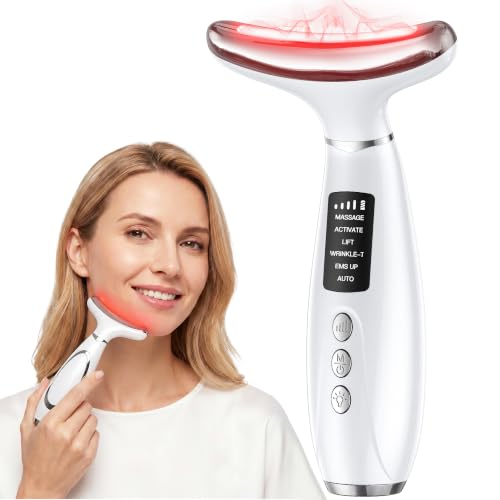
7-COLOR RED LIGHT THERAPY FOR FACE: This red light face massager offers red 640nm for firmer-looking skin, blue 415nm for blemish-prone areas, yellow 585nm for brightness, green for a soothed look, purple for even-looking tone, cyan for oil-balance care, and white for radiance.


Full-Body Comfort with Red Light Therapy for Body : Use this wraparound device to enjoy gentle, targeted red light therapy —ideal for daily routines focused on balance, comfort, and whole-body support.
Why Red Light Calms Redness and Rosacea
Red light therapy helps reduce redness and rosacea by supporting your blood vessels. It regulates blood vessel dilation and flushing, which are key factors in redness. Over time, this process leads to stronger capillaries that are less prone to visible redness and flare-ups. Consistent sessions—often between five and ten—can gradually fade erythema, although results vary. This non-invasive approach works similarly to how pigment particles are stabilized to ensure safe color delivery in tattoo inks. While it’s not an instant cure, red light therapy serves as a gentle, supportive tool that complements soothing skincare routines, improving skin comfort and barrier function without harsh side effects. Choosing between a derma stamp and roller depends on your specific skin needs and tolerance for downtime or risk. This non-invasive approach is also widely used in red light therapy masks to target common skin concerns like fine lines and inflammation.

Clinically Proven Transformation Results: In a clinical study,users report noticeable transformations where forehead creases are softened and nasolabial fold appears less pronounced, while overall skin complexion becomes more even-toned, resulting in a glowing skin after 4 weeks of facial light therapy treatment.Breakouts reduce by an impressive 96% after 12 weeks, with initial changes seen as early as 2 weeks. T-zone oiliness decreases, pores look smaller, and skin becomes significantly less inflamed and breakout-prone.

【Pro-Grade 4D Full Face Coverage】Experience advanced at-home skincare with 320 LEDs and flexible medical-grade flexible silicone that comfortably conforms to your facial contours. Our 4D red light mask provides even light distribution across forehead, cheeks, chin and jawline for complete skincare treatment.

Dual-Wavelength Revitalization: The INIA Red Light Mask combines 630nm red light for surface renewal with 850nm near-infrared light for deeper skin support. This dual-wavelength design allows deep penetration and energy delivery, helping boost collagen and skin elasticity. Press the “NIR” button to activate both modes and elevate your skincare routine.
How Red Light Helps Acne Without Drying Your Skin
Red light therapy helps acne without drying your skin because it specifically targets inflammation and promotes tissue repair rather than relying on surface bacteria elimination. Unlike chemical treatments, red wavelengths penetrate deeper layers, reducing inflammatory signals and speeding up the healing process without stripping your skin’s natural oils or compromising its moisture barrier. This approach also inhibits keratinization, decreasing the buildup that clogs pores, which supports pore cleansing without exfoliating or peeling. Clinical evidence confirms that repeated sessions can significantly reduce lesion count, though combining red with blue light often enhances results for mild to moderate acne. Additional research highlights that red light therapy’s anti-inflammatory effects also promote collagen production, contributing to improved skin texture.
Because it works through light rather than chemicals, you won’t experience the dryness or barrier damage often associated with topical acne treatments. Instead, your skin remains feeling balanced and normal—not tight or irritated. Side effects are minimal, typically limited to temporary mild irritation, with no thermal or ablative risks involved. Those with extensively compromised barriers may need careful application, similar to how tape-in extensions can cause damage if worn incorrectly, since underlying tissue health must be stable for optimal results.

One-touch power-on for effortless operation: Press and hold for 3 seconds to activate. Wireless design eliminates the need for a remote control. Simply charge fully and lightly touch the switch to use this red light therapy for face


【Clinical-Inspired Transformation for Acne 】 Powered by clinically studied light wavelengths, this red and blue light mask supports FDA-cleared inflammatory acne treatment and visible skin renewal. In about 2 weeks, skin looks fresher. After 4 weeks, forehead lines, smile lines, dull cheeks appear refined. With 8–12 weeks of continued use, acne-prone look calmer and smoother. Individual results may vary.
How Red Light Fades Scars and Evens Skin Tone
Red light therapy is most effective on scars that are less than twelve months old. It stimulates collagen production and reduces inflammation, which helps remodel scar tissue and blend discoloration with your surrounding skin. This process, called scar remodeling, targets newer or still-healing scars, especially those under a year old, where collagen improvement makes the greatest difference. For optimal results, consider pairing your routine with top tattoo cartridge needles to ensure precision in skincare applications. For achieving consistent results on small scars, many users find that double-sided tape for extensions helps secure skin during treatment. To maintain a consistent schedule, using your red light mask for ten to twenty minutes per session is recommended for optimal collagen stimulation.
You will see the best results on early postoperative or burn scars. The therapy softens and smooths skin texture while evening out skin tone. Red light also reduces persistent redness by calming inflammation, allowing discoloration to fade gradually and blend more seamlessly with healthy skin.
While it may not completely erase mature scars or keloids, red light therapy can improve the pliability of active scars and promote a more uniform skin appearance. For scars in the active healing phase, regular treatment can support ongoing recovery and enhance skin quality.
Which Wavelengths Are Safest for At-Home Red Light Masks?
The safest wavelengths for at-home red light masks are within the 630–660 nm red light range. Specifically, 633 nm and 640 nm, with a margin of ±25 nm, are widely recognized for supporting collagen production and reducing inflammation without generating heat. Precise wavelength targeting is crucial—vague labels like “red light” are not enough to ensure safety or effectiveness. Accurate data on wavelength helps guarantee your device is both safe and beneficial. When comparing devices, remember that the best options for beginners often include clear wavelength specifications rather than vague marketing terms. To maximize results, you should adjust your treatment schedule based on needle size and recovery time, as the same principles of penetration depth apply when choosing between red and near-infrared light. Just as tape extensions rely on a precise adhesive bond to hold securely without damaging hair, red light masks rely on exact wavelengths to stimulate skin safely without causing harm. Near-infrared light in the 830–850 nm spectrum can further aid deeper healing, but avoid wavelengths below 400 nm and any masks that produce excessive heat. Heat can cause pigmentation issues or skin irritation, so selecting devices with minimal heat output is essential. Always prioritize devices that carry certification, such as FDA clearance, along with features like built-in eye shields and clearly published specifications. Combining these factors ensures your at-home red light therapy remains a safe and effective part of your skincare routine.

🛠️ Our Commitment: Your satisfaction is our priority. If you have any questions or need assistance, our support team is ready to resolve most matters promptly so you can enjoy your device uninterrupted.

❤️The device produces red and near infra-red (NIR) light in the visible spectrum in intended to improve the appearance of wrinkles.

【4 Light Modes for Skin Care】this red light therapy mask for face utilizing 276 leds, offering 630nm red light helps smooth full face wrinkles, support firmness, and enhance radiance for a youthful-looking complexion, 415nm blue light helps control shine, smooth texture, and support clarity for a balanced non-shiny finish, 605nm amber light helps soothe redness, support even tone, and enhance brightness, 850nm near-infrared light support deep full face wrinkles & fine lines. customize your routine with add-on NIR light to tackle blemishes, dullness and wrinkles as your skin’s needs change