Thinking about how long tape hair extensions last? Usually, they stay in place for about 6 to 8 weeks, but that can vary based on your hair type and how well you take care of them.
Factors like natural growth, hair texture, and product use all play a role in how long they stay secure.
Keep reading to find out tips to extend their lifespan.
How Long Do Tape Hair Extensions Last Per Installation?
Tape-in hair extensions typically last about 6 to 8 weeks per installation. This duration depends on how quickly your natural hair grows, as the wefts are pushed away from your scalp roughly 1 to 1.5 centimeters each month. Your hair’s health and the precision of the installation also influence wear time; finer hair can cause the extensions to loosen faster, while a snug, well-placed bond can extend their lifespan. It’s important not to keep extensions in longer than 8 weeks, as daily washing or tugging can weaken the adhesive, reducing wear time to around 4 to 5 weeks. Avoiding excessive heat and using sulfate-free products can further protect the bond, as outlined in proper maintenance routines. To keep the adhesive patch free of buildup, gently wipe the bonds with alcohol after each wash, similar to how you would disinfect a roller after use. Planning your move-up appointment in advance helps ensure your extensions stay secure and seamless. Just as with derma needle roller techniques, consistent preparation and gentle handling are key to avoiding damage and maximizing results.
What Actually Determines Your Tape Extension Wear Time?
Your tape extensions typically last around 4 to 6 weeks, but several factors influence this duration. Hair quality is crucial—using 100% Remy human hair increases longevity because it resists heat, friction, and breakage better than synthetic or lower-quality options. Proper installation also matters: applying the tape approximately 1.5 cm from your roots with even adhesive distribution helps prevent premature loosening. For best results, microneedling with a derma roller should not be used near the scalp, as it can disrupt the adhesive bond. A similar principle applies to diamond microdermabrasion procedures, which should be performed gently to avoid loosening tape bonds. Ensuring your wig cap application is secure underneath can further protect the adhesive from direct scalp contact.
Your daily habits play a significant role. Using sulfate-free shampoos and avoiding oil-based products near the roots protect the adhesive bond from breaking down. Gentle brushing and limiting heat styling extend wear time. Harsh chemicals, chlorine, and saltwater can cause color fading faster, so shielding your extensions from these elements preserves their appearance.
Shedding can be accelerated by natural hair growth or an oily scalp, often necessitating repositioning every six weeks. Regular maintenance and considerate habits are key to maximizing your tape extension lifespan.
Can You Reuse Tape Hair Extensions After Removal?
Yes, you can reuse tape hair extensions after removal if the hair is still in good condition and the adhesive is replaced. The quality of the extension material is crucial; high-grade hair can withstand multiple reapplications, while lower-quality strands tend to degrade faster. Before re-taping, make sure to fully remove any old tape residue using a professional remover, and removing old tape prior to shampooing prevents sticky residue after cleaning. This step is essential to ensure a strong bond with the new adhesive. The sandwich method of layering extensions ensures secure placement between two wefts, preventing slippage and prolonging wear. Understanding how microneedling therapy stimulates collagen production helps clarify why the skin’s rejuvenation process can support stronger hair follicles and healthier regrowth over time. Additionally, using a homemade tattoo machine for any DIY procedure requires careful attention to hygiene and technique to avoid complications.
Proper cleaning is also vital. Wash the extensions thoroughly to eliminate buildup and then dry them completely. Skipping this step can cause poor adhesion and reduce the longevity of the extensions. Professional removal is recommended to prevent damage to both your natural hair and the extension material. If the hair shows signs of excessive shedding or tangling, reusing it might not be worthwhile. Ultimately, using fresh adhesive and taking good care of the extensions are key to successful reapplication.

FAST-ACTING HAIR EXTENSION REMOVER: our hair tape in extension remover solvent is specifically designed to quickly and easily remove hair extension glue while being gentle on your skin and hair. Our oil-based rapid remover is suitable for sensitive scalps and will get your hair extensions to tape out without any pulling or damage. our adhesive tape in remover is formulated using citrus oils and extracts that will work on any style of tape in extensions or soft bonds
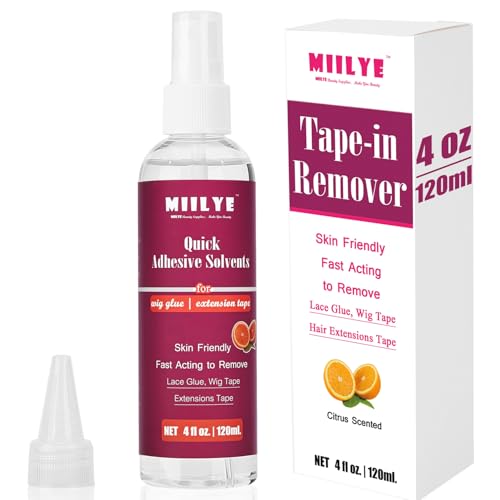
[Fast Acting Tape in Extension Remover] MIILYE tape in remover is designed for damage-free removal of lace front wigs and painless taking off tape in hair extensions, our upgraded tape in extension remover formula facilitates fast removing wig glue adhesive in 60 seconds and tape in extensions as little as 3 minutes;

Say goodbye to sticky fingers and hair! Our Tape-in Remover is specially designed to easily remove Tape in Adhesive with little to no residue.
How Many Times Can You Reuse Tape Hair Extensions?
Most tape hair extensions can be reused 2 to 3 times, provided the hair is of good quality and you maintain it properly. With premium Remy hair, you might even get up to 4 reuses. Lower-quality options typically last only once before they become too damaged to reuse. Each time you reapply the extensions, you’ll need fresh adhesive tape, and your care routine plays a crucial role in how many times you can reuse them. Proper cleansing with sulfate-free shampoos helps preserve color, while avoiding oils near the bonds prevents moisture buildup that can weaken the tape. With attentive cleaning and storage, those 2 to 3 reuses can extend to a total of 4 to 6 months of wear. Just keep in mind, when the hair starts feeling dry, thin, or tangled, it’s time to retire the extensions. Follow safe removal steps to avoid damaging your natural hair and extensions during the transition. Unlike tape hair extensions, LED face masks use light therapy to stimulate skin cells and can take 4 to 6 weeks for visible results. Proper storage between uses protects the bonds from dust and friction, which directly impacts the number of successful reapplications you can achieve.

Tapes Specifications & Portable Packaging: Each tape measures 1.6 x 0.3 inches, suitable for most daily uses. Available in 24pcs, 48pcs, 72pcs, 120pcs, and 180pcs, with elegant, lightweight packaging to meet various needs

LONG LASTING: Ultra Stick single sided tape is the strongest, most durable adhesives for tape in hair extensions. No slippage and no damage one sided replacement tape for tape in hair extensions.

72 TABS OF EXTRA HOLD HAIR EXTENSION TAPE - Big Kizzy Double Sided Extra Hold tape in extension replacement tape is designed for reapplication of tape ins. Recommended for thick hair, this tape in tape replacement lasts 7+ weeks with proper installation and care. Big Kizzy tape for tape in hair extensions are strong, easy to remove and leave no residue. Made in the USA!
When Is It Time to Throw Your Tape Extensions Away?
You should throw away your tape extensions when the hair is visibly damaged, the tape no longer adheres, or the set has surpassed its effective lifespan. Look for signs like color fading, which indicates the hair has shifted from its original tone and looks unnatural. Hair thinning, split ends, frayed strands, and increased shedding suggest the extensions are breaking down beyond repair. If the bonds slip, lift, or fail despite proper maintenance, the adhesive has compromised. Additionally, reusing the same set more than two to four times or using them for over a year signals it’s time to replace them. This issue often mirrors how the ink’s pigment stability can degrade over time if the carrier solution is not properly balanced. Avoid keeping dry, frizzy, or matted hair, as it will no longer blend well or hold styles effectively. To prevent buildup, always follow the proper washing method to extend the life of your extensions. Extensions that have been removed and cleaned multiple times may still have residual solvent or oil on the weft, which can prevent new tape from adhering properly. Neglecting these warning signs can lead to traction alopecia from the constant pull of failing bonds.

【Super Sticky】Hair tape for extensions has super sticky adhesive on both sides and strong stickiness. It is not easy to fall off and can be firmly attached to your hair. The double-sided hair extension tape is suitable for long-term use and can be used for 6–8 weeks.

Strong Adhesive for Secure Hold: GOO GOO replacement tape for tape in hair extensions features a strong, reliable adhesive that keeps your extensions securely in place through all daily activities, washes, and styling sessions.

Specification:3 & 12 yards--make sure enough for 3-14 sets of hair extensions installations. WENNALIFE replacement tape roll perfectly matches mostly tape in hair extensions. You can also use it in daily and lace wigs, toupees, hairpieces, and so on.
What Damages the Hair Wefts Over Time?
Damage to hair wefts over time primarily results from repeated physical and chemical stressors. Mechanical tension caused by poor installation, tight ponytails, or pulling at the roots puts continuous strain on your natural hair, leading to increased breakage and traction alopecia. Adhesive failure occurs when oils and product buildup weaken the bond between the tape and your hair, causing the extensions to slip and create friction. Chemical damage happens when harsh removers or residue on your hair shaft weaken the strands. Direct heat applied near the tape can also compromise the adhesive, reducing its hold and damaging both the extensions and your natural hair. Environmental factors further contribute to deterioration; for example, sleeping with damp extensions promotes tangling, and exposure to moisture or humidity can cause mats and additional stress. Over time, these factors compound, gradually wearing down both your extensions and your natural hair. Underlying scalp conditions like sensitivity or hormonal issues can worsen with extensions, increasing the risk of breakage and thinning.

Perfect for Tape-in Hair Extensions Removal: Specifically designed to effectively remove tape-in hair extension glue while being gentle on your hair and skin, ensuring a safe and easy removal experience

EVERYTHING YOU NEED TO REMOVE TAPE INS: Big Kizzy Remover 1 (8oz) + Remover 2 (4oz) system is unlike any other tape in extension remover! One hair extension remover spray and one hair extension adhesive residue solvent, this dynamic duo makes removing tape ins easy for stylists and DIYers. MADE IN THE USA!
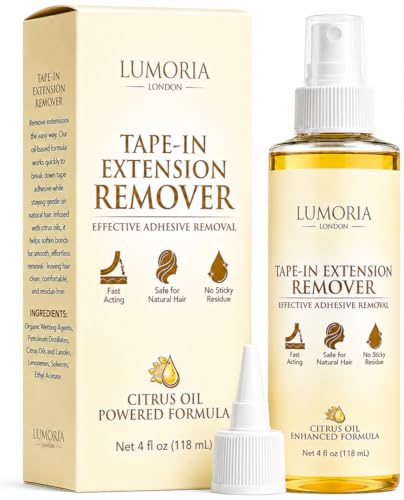
FAST-ACTING HAIR EXTENSION REMOVER: Loosen tape tabs, wig glue and sticky adhesive bonds quickly without stressful pulling or tugging. This tape in hair extension remover helps release extensions smoothly, making removal easier for at-home users, stylists, wig wearers and regular extension maintenance - without damaging your natural hair.
What Is the Best Maintenance Schedule for Tape Extensions?
Tape extensions should be maintained every 6 to 8 weeks to keep them secure and looking seamless. Since your natural hair grows about half an inch each month, regular check-ins prevent the bonds from becoming visible or loose. Avoid washing your hair for 24 to 48 hours after installation to allow the adhesive to fully set. Use a gentle, sulfate-free shampoo and wash only two to three times weekly, keeping conditioner and oils away from the tape bonds to prevent buildup. This buildup can lead to faster color fading and weaken the adhesive. Using a high-quality wig cap underneath can also improve comfort and fit for those with sensitive scalps. Beginners should carefully select the right fit for their head size to avoid slipping or discomfort. Brush your extensions two to three times daily, starting at the ends to minimize tugging on the tapes. Schedule a bond check every 3 to 4 weeks and a professional move-up at six to eight weeks. If your hair grows quickly or you have finer strands, opting for six-week appointments helps maintain a flat, hidden bond. Deep conditioning the lengths every four to six weeks keeps your hair healthy but avoid applying conditioner near the tape tabs. For safe removal, always use a bond remover solution to dissolve the adhesive without damaging your natural hair. Sticking to this routine ensures your tape-in extensions stay secure, seamless, and vibrant longer.

24-hour online service: If you encounter quality issues with our products, please contact us immediately and we will solve the problem for you as soon as possible

GOO GOO Complete Kit: Includes a scraper tool, 10 premium replacement blades, and 6 reusable tape tabs for tape in extension removal and reuse.
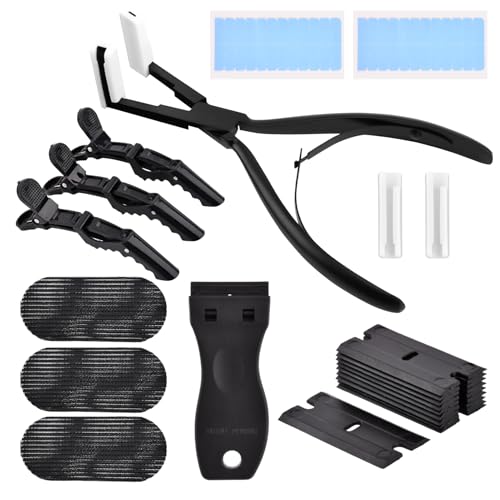
Complete All-in-One Kit for Tape-In Extensions: Everything you need for seamless tape-in extension installation, maintenance, and removal in one set: 1 stainless steel hair extension plier, 1 pair replacement silicone pads, 2 sheets blue extension tapes, 1 black tape scraper, 10 replacement blades, 3 bangs hair pads, and 3 alligator clips. No extra purchases needed, ideal for beginners and salon stylists alike