Thinking about hair extensions and wondering what tape-ins really are? These extensions use medical-grade, double-sided adhesive bonds that attach directly to your natural hair, adding length and volume without the need for heat or chemicals.
They’re lightweight, reusable, and usually last around six to eight weeks before needing a professional adjustment.
Keep reading to learn how they compare to other methods and how to keep your hair healthy.
What Are Tape-In Extensions and How Do They Work?
To install tape-in extensions, start by exposing the adhesive surface on the wefts. Remove the tape backing to reveal the sticky side. Isolate a thin section of your natural hair, then place the first weft against it with the adhesive side facing your scalp. Align a second weft to create a bonded pair around your hair, ensuring they are close but not overly tight to avoid discomfort. Apply firm pressure along the length of the wefts to seal the bond securely. Similar to how a derma roller works by creating micro-channels to improve product absorption, pressing the wefts helps the adhesive grip effectively. The adhesive used is typically medical-grade and designed to be gentle on the scalp. Some stylists briefly use a flat iron to reinforce the adhesive, especially for added durability. A full head typically requires 3-4 packs of hair to achieve a natural look with sufficient volume. This method allows you to add length, volume, and thickness in a way that remains discreet and natural-looking. Compared to sew-in wefts, tape-in extensions generally pose a lower risk of damage to the hair shaft because they do not require braiding or tight stitching.
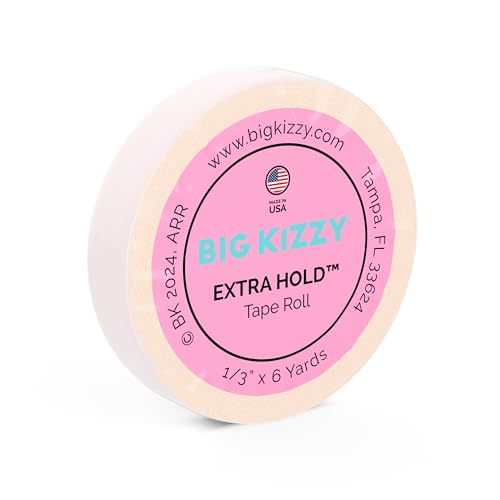
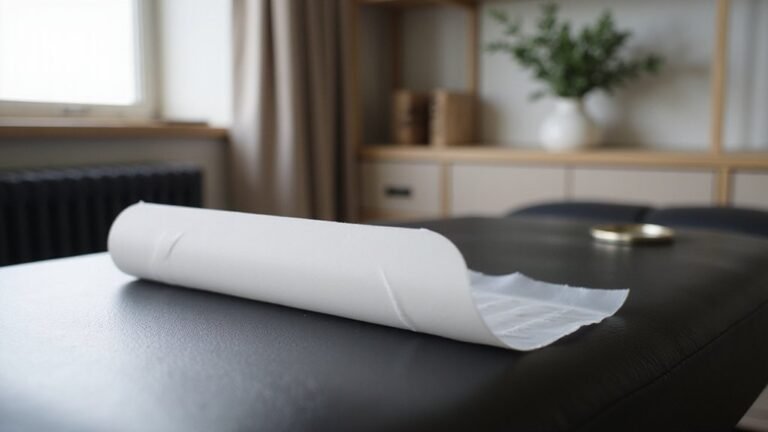
PROFESSIONAL QUALITY DOUBLE SIDED TAPE ROLL: Big Kizzy Extra Hold Tape Rolls for Tape in Weft Extensions is a natural hold and residue free replacement tape for tape weft hair extensions. Made in USA!

SUYYA extension tape tabs are sticky and can hide well with the hair extension, also they will stay in a place and great for using them as new or replacement.

STRONG FLEXIBLE ADHESIVE: Big Kizzy Pro Hold double sided hair extension tape designed for professionals with medical grade adhesive. Damage free replacement tape for tape in hair extensions.
Tape-In Extensions vs. Clip-Ins and Sew-Ins
Tape-in extensions are the most suitable option for everyday wear because they stay flat, feel lightweight, and can last 6 to 8 weeks without removal. Unlike clip-ins, which can be bulky and less seamless on fine hair, tape-ins provide a more natural look with bonds that lie close to your scalp. They also eliminate the need for nightly removal, making them a low-maintenance choice for regular use. Sew-ins, on the other hand, involve braided installation and typically require longer salon visits, making them less convenient for daily styling. Additionally, tape-in extensions can be professionally removed and reused multiple times, making them a cost-effective long-term investment. Proper hygiene for the bonds requires cleaning with isopropyl alcohol to prevent buildup and slippage. Understanding the chemical composition of adhesives helps clarify why certain solvents are safe for bond care without damaging the hair. Regular maintenance routines for these bonds can also benefit from the hygienic airflow of a facial oxygen machine to keep the scalp area dry and comfortable.
Maintenance routines differ significantly: tape-in extensions usually need professional re-taping every two to three months, while clip-ins only require at-home cleaning and proper storage between use. Sew-ins require regular salon visits to tighten and refresh the bonds. If you prefer a consistent, low-effort style without daily fuss or heavy commitments, tape-ins outperform clip-ins for convenience and invisibility, as their flat bonds blend smoothly against your scalp.

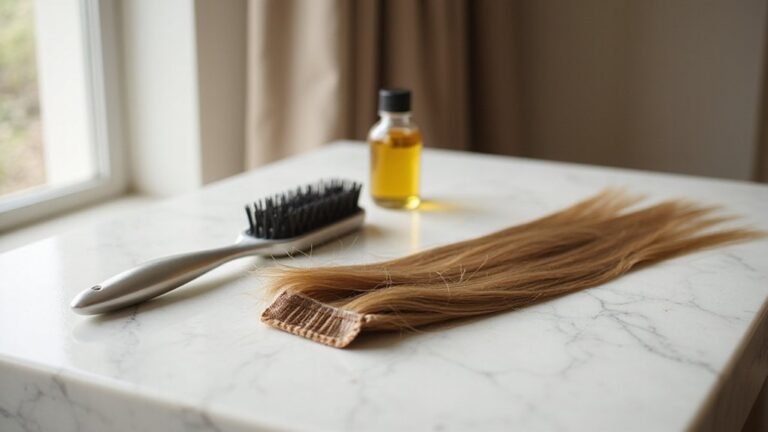
Premium Remy Human Hair: Made from high-quality Remy human hair, provide a smooth, soft texture that blends effortlessly with your natural hair, ensuring a natural and comfortable look. With proper care, they remain tangle-free and long-lasting.

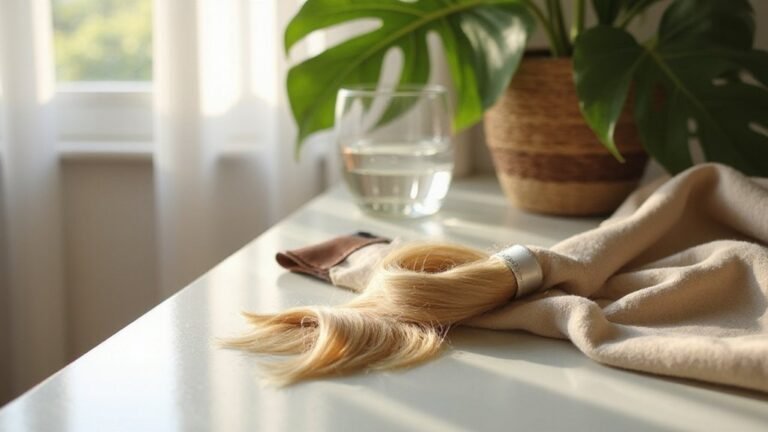
Premium Remy Human Hair: Made from high-quality Remy human hair, provide a smooth, soft texture that blends effortlessly with your natural hair, ensuring a natural and comfortable look. With proper care, they remain tangle-free and long-lasting.

Remy Human Hair: The tape-in extensions are made from real human hair with preserved cuticles to support a natural appearance and texture; all hair extensions are real human hair, with inspection reports available
Can Tape-Ins Add Length, Volume, or Color Without Damaging Hair?
Yes, tape-ins can add length, volume, or color without causing significant damage when installed and removed properly. For length, you can quickly transform your hair from shoulder-length to waist-length using seamless wefts that blend with your natural texture. To boost volume, lightweight, flat wefts sit close to the scalp, increasing density in sparse areas without creating bulky bonds. For color, pre-colored wefts allow you to introduce highlights or fashion accents without chemical dyes or bleach. Proper professional installation minimizes tension and potential damage, but incorrect removal—such as pulling or ripping—can damage your natural hair. Using the right solvent and technique during removal helps prevent breakage and maintains healthy strands. To ensure a secure hold, the tape hair extensions require regular maintenance and proper use of a bond-friendly solvent for removal. This process is similar to how a beginner must carefully follow a step-by-step setup for their equipment to avoid damage. Understanding how the adhesive bond interacts with your natural hair is key to preventing slippage and ensuring longevity.

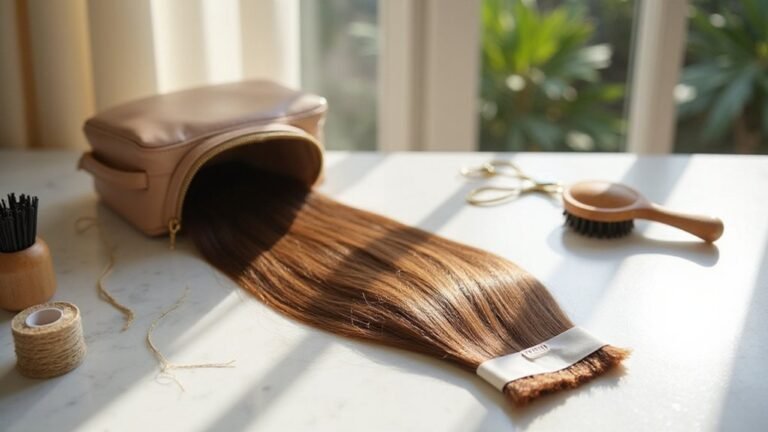
Premium Luxury Remy Hair: WENNALIFE Invisi edge tape in hair extensions craft from new upgraded best luxury remy hair. This quality hair has greater comfort and longevity which is most cost-effective. Guarantee at least 5 months lifespan with good care.

【Salon Quality Hair Extensions】100% premium remy human hair,salon quality,tangle free,shedding free.The hair feel smooth and soft.our tape hair extensions can be curled just you like.Tape hair extensions can last 2-3 monthes with good care.

Premium Remy Human Hair: Made from high-quality Remy human hair, provide a smooth, soft texture that blends effortlessly with your natural hair, ensuring a natural and comfortable look. With proper care, they remain tangle-free and long-lasting.
How Long Do Tape-Ins Last and What Are the Safety Risks?
Safety risks mainly come from adhesive loosening or improper application. To minimize these risks, avoid applying oils, conditioners, or any products containing oils near the tape bond, as they weaken the grip and can cause extensions to slip or fall prematurely. Proper placement is crucial—incorrect positioning can lead to breakage, frizz, or unnatural lifting of the extensions. Wearing tape-ins for longer than recommended or improper removal can also damage both your natural hair and the extensions, increasing the chance of breakage. For a similar focus on product safety and selection, reviewing top green soaps can help clarify how gentle, residue-free formulas matter in adhesive-adjacent care. Just as tattoo ink is manufactured to ensure consistent pigment dispersion for reliable application, tape-in adhesives require uniform bonding to avoid uneven grip and premature loosening.
Daily stress and poor hair care reduce the reusability of your tape-ins because buildup, friction, and neglect weaken the bonds over time. Always stick to professional refits and proper maintenance routines. Using a heat protectant when styling helps preserve the adhesive’s integrity. Additionally, monitor tension around the extensions to avoid pulling or tugging, which can cause discomfort or damage. Keeping these safety measures in mind can ensure your tape-ins stay lightweight, comfortable, and safe across multiple installations. Unlike microneedling schedules, which depend on needle size and recovery time, tape-in hair extensions require a completely different timeline based on adhesive lifespan and professional refit intervals.

FAST-ACTING HAIR EXTENSION REMOVER: our hair tape in extension remover solvent is specifically designed to quickly and easily remove hair extension glue while being gentle on your skin and hair. Our oil-based rapid remover is suitable for sensitive scalps and will get your hair extensions to tape out without any pulling or damage. our adhesive tape in remover is formulated using citrus oils and extracts that will work on any style of tape in extensions or soft bonds

Say goodbye to sticky fingers and hair! Our Tape-in Remover is specially designed to easily remove Tape in Adhesive with little to no residue.
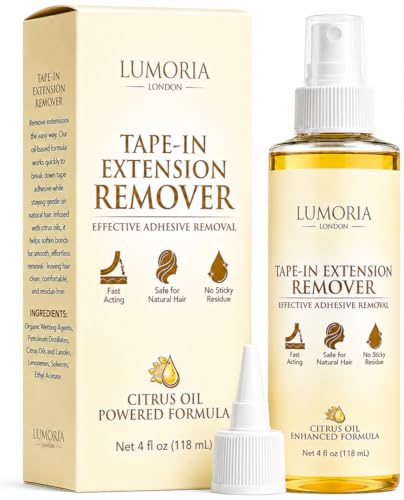
FAST-ACTING HAIR EXTENSION REMOVER: Loosen tape tabs, wig glue and sticky adhesive bonds quickly without stressful pulling or tugging. This tape in hair extension remover helps release extensions smoothly, making removal easier for at-home users, stylists, wig wearers and regular extension maintenance - without damaging your natural hair.
What Adhesives Are Used in Tape-Ins and Are They Scalp-Safe?
Adhesives used in tape-in extensions are typically medical-grade acrylic or silicone-based tapes, chosen specifically for hair application. These formulas are hypoallergenic, latex-free, and designed to bond securely without irritating your scalp. The adhesive is applied with double-sided, pressure-sensitive tape that ensures a firm hold while remaining gentle on skin. Silicone variants offer extra flexibility and water resistance, allowing your extensions to move naturally with your hair and withstand moisture. This type of adhesive application is similar to how tattoo machines rely on pressure-sensitive tape to secure stencils and power cords during use. Proper removal of these adhesives is essential for scalp safety. Extension-safe removers are formulated to dissolve the adhesive without damaging your natural hair or skin. Avoid harsh solvents or ripping out extensions, as this can cause breakage or scalp irritation. Before full installation, patch tests are recommended to check for any sensitivity. Remember, using any adhesive not labeled for hair extensions increases the risk of scalp reactions and compromised hold. Only trusted, extension-specific products should be used for both application and removal. For those with sensitive skin, choosing adhesives with proven low irritation potential can further reduce the risk of adverse reactions during wear.

Specification:3 & 12 yards--make sure enough for 3-14 sets of hair extensions installations. WENNALIFE replacement tape roll perfectly matches mostly tape in hair extensions. You can also use it in daily and lace wigs, toupees, hairpieces, and so on.

LONG LASTING: Ultra Stick single sided tape is the strongest, most durable adhesives for tape in hair extensions. No slippage and no damage one sided replacement tape for tape in hair extensions.

【Super Sticky】Hair tape for extensions has super sticky adhesive on both sides and strong stickiness. It is not easy to fall off and can be firmly attached to your hair. The double-sided hair extension tape is suitable for long-term use and can be used for 6–8 weeks.