Getting your new tattoo to heal properly can feel overwhelming, especially knowing what steps to follow. The key is to keep it clean, protected, and out of sunlight during those crucial first weeks.
With the right routine, you’ll see signs of healing faster and avoid common issues. Keep reading to learn the essential aftercare steps that will help your tattoo heal beautifully.
Your Tattoo’s First 24 Hours
Once your tattoo is finished, the first 24 hours are crucial in determining how well it heals. Keeping the covering intact during this period prevents bacteria from contacting the open wound. Keep the initial bandage on for 2 to 6 hours, or overnight if it feels secure. When removing it, do so with clean hands; if it adheres, loosen it gently with lukewarm water rather than pulling it dry. For your first wash, use only lukewarm water and a mild, fragrance-free soap. Clean the area softly with your fingertips, avoiding washcloths or sponges that can be too abrasive. Rinse thoroughly until all residue is gone. Pat the tattoo dry with a clean paper towel and allow it to air-dry briefly before applying a thin layer of fragrance-free ointment. During this initial healing phase, avoid swimming, exposure to direct sunlight, and wearing tight clothing that could irritate the new tattoo. Refrain from scratching or picking at the area to prevent damage and scarring. For a smooth application of any protective cover, consider using a wig cap to secure the area without irritation. The gentle pressure from the cover mimics the controlled micro-injuries that stimulate your skin’s natural repair process, aiding in even recovery. Choosing a breathable fabric cap can further reduce friction and absorb excess moisture during the critical first day of healing.
How to Clean a Fresh Tattoo Without Damaging It
To clean a fresh tattoo without damaging it, use sterile techniques first. Wash your hands thoroughly with soap, scrubbing under nails and between fingers to remove germs. Use only lukewarm water—hot water can irritate your skin and open pores. Gently cup water over the tattoo, avoiding direct spray or blast to prevent unnecessary trauma.
Choose a fragrance-free, mild antibacterial soap. Lather the soap in your hands first, then apply it with gentle circular motions using your fingertips. Avoid using washcloths or sponges, as they can cause abrasion. This method lifts excess plasma, blood, and ointment without damaging the ink. Avoid using scented soaps that could irritate the healing skin, as proper hygiene is essential to prevent infection. Understanding the pigment suspension process used during ink manufacturing helps explain why gentle cleaning is crucial to avoid disrupting the ink particles. Using a gentle removal method ensures you never pull or tug at the delicate healing tissue, much like easing tape extensions away from the hair shaft.
Do not scrub stubborn scabs; patience prevents ink from being pulled out. Rinse the area quickly and thoroughly with water, then pat dry with a clean paper towel. Allow the tattoo to be exposed to air and dry naturally for 10 to 30 minutes before applying any aftercare products. Ensuring the adhesive bond of your aftercare products remains effective is similar to how secure attachment methods in hair extensions rely on a clean, oil-free surface to last.

Gentle, Deep Cleansing: Tattoo Goo Foaming Cleansing Soap for tattoos and piercings helps remove impurities and clean the inked or pierced areas at a deep level by removing dirt, dead skin cells, and killing germs without damaging the skin

Gentle Formula: Dial up your handwashing routine with this antibacterial hand soap that kills more than 99.99% of bacteria* and creates a luxurious lather. Dial foaming hand soap cleanses deep while being gentle on skin. *Encountered in household settings

GREAT FOR NEW TATTOOS - H2Ocean Blue Green Foam Soap cleanses skin on and around new tattoos and the addition of aloe vera aids the healing process.
Moisturize a New Tattoo the Right Way
Moisturizing your tattoo correctly involves applying the right amount of product at the right time. Once your tattoo feels slightly dry or tight—meaning it’s no longer weeping—you should use no more than a pea-sized amount of fragrance-free, alcohol-free lotion. Apply it in a thin, even layer with clean hands, using a gentle dabbing motion rather than rubbing, as this “dabbing” method prevents pushing ridges or flakes and reduces pain. Your goal is to hydrate the skin enough to support color preservation and even ink saturation without creating a glossy or suffocating barrier. Overapplication can trap moisture, dulling your tattoo’s vibrancy. Reapply the moisturizer 2 to 3 times daily or whenever your skin feels dry, especially after washing. Maintaining this balance helps keep your ink breathable, promotes healthy healing, and ensures the best final appearance. Always follow your artist’s specific recommendations for optimal results. For best results, consider using a fragrance-free moisturizer applied with a gentle dabbing motion to avoid disrupting the delicate skin. Using high-quality stencil paper ensures the initial design is transferred accurately, preventing the need for touch-ups that could disrupt the healing process.

FRAGRANCE FREE TATTOO AFTERCARE FOR SENSITIVE SKIN - The same #1 artist recommended Hustle Butter formula, now with no added fragrance, dyes, or parabens. The unscented tattoo lotion of choice for sensitive or easily irritated skin.

16-fluid ounce bottle of Lubriderm Fragrance Free Daily Moisture Lotion + Pro-Ceramide, Shea Butter and Glycerin to help restore skin's moisture barrier for healthier-looking skin

FRAGRANCE FREE TATTOO AFTERCARE FOR SENSITIVE SKIN - The same #1 artist recommended Hustle Butter formula, now with no added fragrance, dyes, or parabens. The unscented tattoo lotion of choice for sensitive or easily irritated skin.
Peeling, Scabbing, and Itchiness: What’s Normal?
Peeling, scabbing, and itchiness are normal parts of the healing process for your new tattoo. You’ll usually notice thin, flaky peeling starting around days 4 to 14, often accompanied by light scabbing over the linework. Itchiness and tightness are common as your skin repairs itself, signaling healthy healing. Normal scabs tend to be thin and flat, gradually flaking off on their own without your intervention. It’s perfectly normal to see tiny pieces of shed ink during washing—that’s just pigment coming loose and doesn’t impact the color of your tattoo. Proper application techniques help ensure a smooth healing process as well.
However, thick scabs, excessive peeling, or yellow or cloudy drainage are not typical and could indicate issues like infection or poor healing. These signs can lead to ink fading or scarring if not properly addressed. To protect your tattoo’s clarity, avoid picking, scratching, or peeling at the scabs prematurely. Let your skin shed naturally. Most peeling will resolve within a few weeks, revealing a vibrant, well-healed tattoo.
Why You Should Keep Your Healing Tattoo Out of the Sun
While your tattoo is healing, keeping it out of direct sunlight is essential. UV rays can significantly damage both the delicate skin and the fresh ink. Your healing tattoo is essentially an open wound, so exposure to sunlight causes irritation, slows down the healing process, and can lead to increased redness and swelling. Sunlight penetrates deep enough to break down ink particles, resulting in fading, blurring, and loss of vibrancy. Regular exfoliation helps remove dead skin cells, but it is not a substitute for protecting new ink from UV damage. If your skin gets sunburned during this period, it can worsen irritation—causing itching, peeling, and the potential removal of some ink, which can lead to uneven healing or discoloration. To protect your tattoo, avoid direct sun exposure for at least two to four weeks. Wearing loose, breathable clothing provides the best physical barrier, as sunscreens are generally discouraged on unhealed skin due to the risk of irritation from chemicals. Only after the tattoo is fully healed should you consider intentional sun exposure, ensuring your ink stays vibrant and your skin remains healthy. Just as with extension tape removal, careful aftercare prevents damage to the underlying surface. Proper shielding from UV rays also protects the delicate skin in a similar way to how extension tape shields the natural hair from damage.
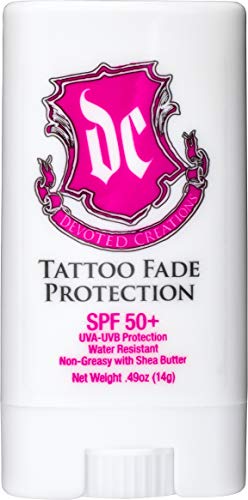

Tattoo-Safe Mineral Formula: Our tattoo sunscreen lotion uses non-nano zinc oxide, a physical barrier that sits on the skin to block UVA/UVB rays without penetrating or irritating tattoos. This helps prevent fading, discoloration, or damage to tattoo ink caused by sun exposure.

【Comfortable design】 Our tattoo sleeves are made of bamboo charcoal fiber, which has excellent flexibility and breath ability. This arm sleeve has a strong sweat-absorbing ability, will not tighten the arm, and is very comfortable to wear for a long time.
Swimming, Sweating, and Soaking: When Is It Safe?
You should wait until your tattoo is fully healed before swimming, soaking, or sweating heavily. Your tattoo is ready for water activities when it looks like normal skin—no scabs, peeling, or redness. For swimming, generally wait 2 to 4 weeks; open water sources like lakes and oceans pose higher risks due to bacteria and unpredictable water quality. Heavy sweating isn’t the same as soaking, but it can irritate your healing tattoo and keep it damp, which increases the chance of infection. After sweating, clean and dry your tattoo promptly. Avoid soaking in baths, hot tubs, or any submerged water until your tattoo is healed, because immersion softens scabs, delays healing, and invites bacteria. Hot tubs carry the highest infection risk. Rushing this process can damage your tattoo’s appearance and compromise your skin’s health.

✡Various Purpose - Care for all types of wounds; Waterproof cover; Fixed dressing; Tattoo aftercare. It can help lock in the color, protect your tattooed skin, and reduce scabbing when you wash or moisturize your tattoo, quickly form a protective film then accelerate your recovery

Widely Used: Our tattoo film has grid lines on the backing paper, which can be cut into different sizes according to requirements. The size of the film is 6 inches x 8 yards, including 3 layers, namely PET backing, PU film and release paper. Soft and stretchable, which makes it fit perfectly anywhere in the body
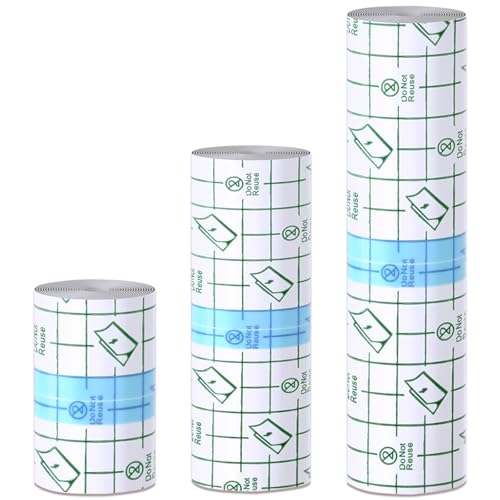
Triple-Size Value Pack for Every Tattoo Style - Get 3 full rolls of premium tattoo aftercare film (2" x 2.2 Yd, 4" x 2.2 Yd, 6" x 2.2 Yd) - sized for wrist art, back pieces, or sleeve designs. The tattoo aftercare bandage can be cut freely to match any ink!
Tattoo Healing Time: Week-by-Week
Your tattoo’s healing process spans several weeks, and understanding what to expect helps you care for it effectively. In week one, you’ll notice plasma, redness, and itchiness as your skin begins repairing itself. During this initial phase, the body works hard to close the wound and initiate healing. By week two, peeling and scabbing are at their peak; it’s crucial not to pick at these, as doing so can damage the ink. This shedding occurs naturally as dead skin flakes away, but yanking scabs can ruin the design and affect ink retention. Using a derma roller for hair growth works similarly by creating micro-injuries to stimulate collagen and blood flow, promoting follicle repair. Using a tattoo machine with adjustable voltage settings can similarly affect how deeply ink is deposited, influencing healing outcomes.
From weeks three to four, the surface of your tattoo appears mostly healed, with a dull or milky appearance that persists as the deeper layers continue settling. Even though the outer skin looks better, the tattoo is still healing internally. Between months one to three, the true colors gradually return as the underlying tissue rebuilds completely. Full internal healing may take up to six months, so moisturizing regularly helps maintain the skin’s condition during this time. Remember, surface healing does not mean your tattoo is entirely healed beneath the surface.
When to Switch From Ointment to Regular Lotion?
Once the weeping phase has stopped and your tattoo feels dry rather than tacky, it’s time to switch from ointment to lotion. This usually happens around days three to five, but you should wait until no fresh plasma appears after washing. The exact timing depends on factors like ink density and your skin type. For dense, heavy-line work or color packing, you might need to continue using ointment longer. If you have drier skin, switching earlier may be beneficial. Proper moisture balance is key for preventing cracking during this transition, much like maintaining hydration for healthy hair extension wear.
After washing your tattoo, apply a thin layer of fragrance-free lotion at least twice a day. If your skin feels tight or dry, you can increase this to two or four applications daily. The goal is to keep the healing skin moisturized without suffocating it. Continue using lotion until the tattoo feels smooth and fully healed, which typically takes about two to three weeks. Pay attention to signs like reduced redness and minimal scabbing before switching from ointment to lotion.

Protect Your Body Art: Moisturizing with the bonus of itch relief! Tattoo Goo's Tattoo Care Lotion soothes healing skin & keeps healed ink looking sharp for life. With olive oil & glycerin, it delivers deep, breathable hydration that won’t clog pores

24-hour results: Clinically proven to help moisturize dry skin for 24 hours** with Pro-Ceramide and glycerin, this hydrating lotion helps strengthen your skin’s natural moisture barrier for healthier-looking, hydrated skin

INFUSED WITH CLEAN, EFFECTIVE INGREDIENTS - The clean ingredients like Glycerin & Shea Butter provide lightweight nourishment and bounce to skin without ever feeling heavy or greasy on the surface. Anti-aging powerhouse vitamin A promotes visible firmness to skin, offsetting the appearance of fine lines and wrinkles.
Common Mistakes That Fade Ink or Cause Infection
Avoid picking at scabs, as this can pull out unsettled ink and cause tattoo ink migration, leading to patchy areas. Let scabs flake off naturally to ensure the ink stays in place. Refrain from soaking your tattoo in baths or pools for at least 2–3 weeks; water can oversaturate healing skin sensitivity, drawing ink out and loosening scabs. Protect your tattoo from UV rays by avoiding direct sunlight—cover with loose clothing instead. Applying too much moisturizer can clog pores and slow healing, while too little can cause cracking and ink loss; use only a thin layer. Always wash your hands before touching the area to prevent infection and avoid harsh soaps or tight clothing that can cause friction. Poor hygiene and constant rubbing can inflame healing skin, increase fading, and heighten the risk of infection. To ensure proper ink placement, always use a stencil made with a reliable method before tattooing.
Signs Your Tattoo Is Infected: and When to See a Doctor
You should seek medical attention immediately if you notice spreading redness beyond the tattoo outline, swelling that worsens or does not improve after a few days, or if the area feels hot to the touch. Thick, yellow, green, or foul-smelling pus, or ongoing oozing that won’t stop, are major red flags indicating infection. Open sores, red streaks radiating away from the tattoo, or the formation of hard, raised tissue also point to trouble. Pain that worsens instead of gradually fading, accompanied by fever, chills, or a general feeling of being unwell, suggests the infection may be spreading and requires urgent care. If you experience severe redness, fever, or foul drainage, do not delay—see a healthcare professional right away. Otherwise, if symptoms persist beyond a week or worsen over time, it is important to consult a doctor promptly to prevent complications.