Getting glue off your lace wig can feel tricky, but with the right approach, you can remove it without damaging the delicate lace.
The trick is softening the adhesive first so it comes away easily. Once softened, you can gently lift the residue without scraping or tearing the lace.
Keep reading to learn the safest methods to get your wig looking clean again.
Why Lace Wig Glue Resists Removal (And How to Beat It)
Lace wig glues resist removal because they are designed as acrylic- or silicone-based adhesives, creating a waterproof bond that plain water cannot break. Acrylic copolymers form a plastic-like film, while silicone formulas stay flexible, making molecular disruption necessary for removal. Water simply reactivates these polymers, causing the glue to re-bond, not dissolve. Similar to tattoo ink production, where pigment grinding creates uniform particle size for consistent application, understanding the adhesive’s polymer structure is key to selecting the right solvent.
Environmental factors also help the bond resist removal. Manufacturers craft these adhesives to last 2 to 4 weeks, so they withstand sweat, humidity, and skin oils at the hairline. Over time, exposure to air hardens leftover glue into a crust that is difficult to break down. Applying a matching solvent is essential to dissolve this crust without harming the lace. This process of chemical breakdown relies on the microneedling principle of creating controlled micro-channels to allow deeper penetration of the solvent.
Blindly using acetone can damage delicate lace, so it is essential to use a solvent that matches the specific chemistry of the glue. Oil-based removers leave hydrophobic films, which can further complicate removal. Careful softening of the bond with appropriate chemicals followed by gentle lifting is the key. Beating the resistance requires respecting the polymer’s design and choosing the right method.
What You’ll Need for Lace Wig Glue Removal
To remove lace wig glue effectively, you’ll need to gather specific tools beforehand. Start with a wig-safe adhesive remover, which is gentle enough not to damage the lace. Isopropyl alcohol in concentrations of 50% to 91%+ works well for breaking down adhesive residue. Oil-based removers like coconut or jojoba oil are also effective for dissolving glue while nourishing your skin and hair.
You will need cotton pads and swabs for precise application. A soft toothbrush helps loosen stubborn glue without harming the lace, while a dedicated wig brush allows you to work carefully through the hair strands. For rinsing, prepare warm water, wig shampoo, conditioner, and clarifying shampoo if buildup is persistent. Secure your lace unit on a wig stand or mannequin head to keep it steady during removal. Keep a fine-tooth comb nearby to gently separate strands without snags—which is especially helpful when cleaning the wefts. Beginners may find it helpful to start with the best wig caps for a secure base that minimizes adhesive reliance.
Don’t forget protective items like aloe vera gel for skin aftercare and clean towels for blotting excess moisture. For difficult spots near the hairline, fine scissors can assist in snipping away any tricky residual glue, but only use them if necessary. Before applying any solvent, test a small hidden section of lace to ensure the remover won’t cause discoloration or damage. Having everything assembled beforehand helps streamline the process, making your removal quicker and more efficient.
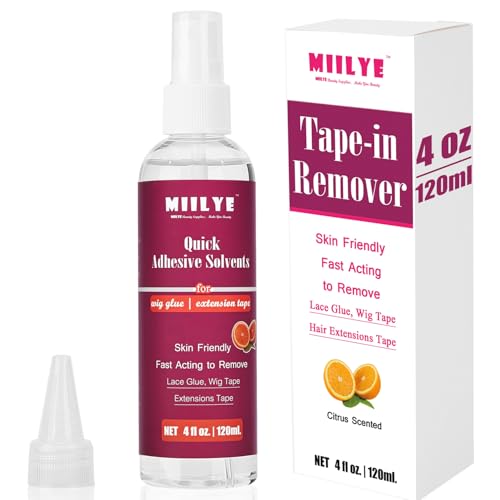
[Fast Acting Tape in Extension Remover] MIILYE tape in remover is designed for damage-free removal of lace front wigs and painless taking off tape in hair extensions, our upgraded tape in extension remover formula facilitates fast removing wig glue adhesive in 60 seconds and tape in extensions as little as 3 minutes;

FAST-ACTING BOND REMOVER: Dissolves wig tape, extension tape, and adhesive residue for lace systems and tape in hair extensions human hair; ideal for daily wearers needing quick cleanup.

[REMOVER] Our Wonder Lace Bond Remover Spray is the ultimate remover spray to easily and gently remove your wig. Also good to use to clean up the any excessive adhesive that is left along the hairline.
Soften Stubborn Lace Wig Glue With Alcohol or Oil
To soften stubborn lace wig glue effectively, isopropyl alcohol or oil are your best options. Alcohol, ideally 70% or higher, quickly breaks down the adhesive within 1 to 20 minutes by triggering chemical reactions that turn hardened glue into a jelly-like consistency. Dab alcohol onto a cotton pad or spray a heavy layer over the glue, making sure to patch test first to confirm safety for your skin and lace. Be cautious—excess alcohol can dry out your lace and hair—so only saturate the glue area. For precise application, studying the specific needle gauge sizes used in tattoo machines can help you avoid over-saturating any surface.
Oil works more slowly but is gentler, making it a good choice if dryness or damage concerns you. Apply petroleum jelly or a skin-safe oil on a cotton pad and leave it in place for 10 to 15 minutes. After that, gently press and roll the softened adhesive off the lace. Avoid scrubbing, as that can shift glue lines or tear delicate lace. If some residue remains, repeat the process, always keeping your work surface clean to prevent recontamination. This method lifts the glue without harsh scraping, helping preserve the integrity of your wig’s lace base. Using a proper wig cap underneath your lace wig can also protect your natural hair and scalp during removal.
For particularly stubborn spots, applying additional oil or solvent may further break down residual adhesion.
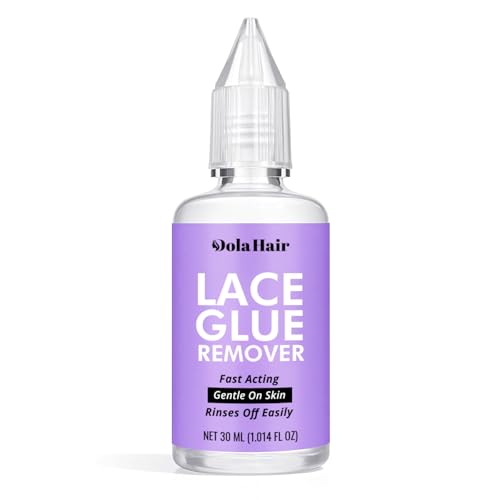
Dolahair Lace glue Remover can remove adhesive residue from a variety of cosmetic bonding products and can be used for all tape-in hair extensions including skin wefts damaging the hair, skin or scalp.

All Mighty Remover can remove adhesive residue from a variety of cosmetic bonding products.

LACE REMOVER SPRAY: Your new go-to, glue and lace removal product! Not a harsh solvent, Bold Hold Lace Remover is a revolutionary spray solution designed to release bonding adhesives and eliminate residue build-up on lace front wigs without damaging the hair, skin, or scalp.
Scrub Away Lace Wig Glue Residue With Soap and Warm Water
If alcohol or oil leaves behind a sticky film or small bits of residue, switch to a soap and water wash. Mix a few drops of mild dish soap or shampoo into warm water to create a gentle cleaning solution. Use a soft cloth or sponge to apply the soapy water only along the lace edge, being careful not to soak the entire wig. Let the lace sit in the solution for 10 to 15 minutes; this softens stubborn adhesive residue. After soaking, gently scrub the lace with a soft toothbrush or cloth in small circles to lift the glue without tugging on the knots. Rinse the lace thoroughly with warm water until all soap and residue are gone. Repeat the soaking and scrubbing process if any residue remains. Proper rinsing prevents soap film buildup, which protects your wig’s long-term health. This method safely removes glue while minimizing damage to knots and preserving the lace. Once clean, allow the wig to air-dry on a stand before reinstalling or storing. For best results, always test this cleaning method on a small, hidden section of the lace first to ensure the adhesive remover won’t discolor the material.
Try a Wig-Safe Remover on Stubborn Spots
For stubborn glue spots that soap and water can’t handle, a wig-safe adhesive remover is your best bet. Focus on spot-treating only the bonded area instead of the entire lace. Select a formula that matches your specific adhesive type—compatibility is key to effectively breaking down the glue without harming the knots or damaging the lace. Apply the remover directly onto the stubborn spot and let it sit for 1 to 3 minutes. After the brief dwell time, gently lift the softened residue with a clean tool or your fingers. Avoid scraping, as this can damage the lace material. If necessary, repeat the process to fully remove tough residues. Use a non-oily, skin-friendly remover to prevent buildup and keep the lace in good condition for reuse. When color matching your wig, a controlled application helps keep the base clean and ready for reapplication, minimizing product waste and protecting your hairline. The wig glue remover in this kit is formulated to efficiently remove adhesive residues from bonding products.
Roll off Leftover Glue With a Microfiber Cloth or Comb
Once the adhesive has been softened with remover or steam, use a microfiber cloth or wide-tooth comb to roll off leftover glue instead of scraping. Keep your cloth dry and rub in one direction from the back toward the hairline. This helps the glue ball up rather than spread or smear across the lace. Apply moderate pressure—enough to lift the loosened residue but not so much that you snag the lace. As visible rolls form, gently lift them away using a wide-tooth comb with shallow, rolling motions. Avoid digging into the lace; light, repeated passes are more effective and safer for the hairline. Focus only on the glue that has already been loosened, resoftening any stubborn spots and avoiding unnecessary pulling. Staying controlled during removal prevents pulling knots or pushing the glue deeper into the fibers, protecting your lace reinforcement and ensuring a smoother finish.

Lace net material for making & repair wigs Strong, sturdy, durable advanced material Quality Size:1/2 Yard-43inchx18inch and 1/4 Yard-43inchx9inch Easy to create your own...
Rinse, Dry, and Remove Any Final Glue Traces
After loosening the glue, the next steps are rinsing, drying, and removing any remaining traces. Rinse the lace area with warm water to wash away leftover residue; repeating this process can help since multiple passes clean more thoroughly. For sticky spots, apply a small amount of a mild cleanser like Dawn dish soap or wig shampoo and gently work it in with a soft toothbrush. Rinse immediately afterward to prevent buildup, being careful to keep water off the hair lengths. Common mistakes that cause damage include using excessive force or harsh chemicals when scrubbing. For tape-in extensions, a similar gentle approach helps maintain the tape and bond integrity.
For drying, gently pat the lace with a soft towel—avoid rubbing, which can damage delicate fibers. Place the wig on a stand and allow it to air-dry completely, ideally overnight, away from heat sources to prevent damage. Once dry, inspect the lace for any remaining glue. If stubborn spots remain, apply an alcohol-based remover or citrus-based remover to small sections, treating each carefully before rinsing. Tape extensions apply a similar adhesive which can cause breakage if removed improperly.
Use a warm, damp cloth to lift residual residue if needed. Repeat the soak-and-rinse process until the lace feels clean and smooth, ensuring no tackiness remains. This thorough cleaning routine helps maintain the lace’s integrity and ensures a pristine finish.