The Surprising Benefits of LED Masks
If you’re wondering whether LED masks can truly improve your skin, you’re not alone. These devices use different light wavelengths—like blue, red, and near-infrared—to target common skin issues.
The good news is that with regular use, you can see real benefits, from clearer skin to reduced wrinkles.
Keep reading to find out how these lights work to transform your skin over time.
How Does an LED Mask Actually Work?
LED masks work by emitting specific wavelengths of light—blue around 415 nm, red near 630 to 660 nm, and near-infrared up to 850 nm—that penetrate different layers of your skin. This targeted light triggers photobiomodulation, a process where light energy activates cellular mechanisms rather than causing heat or burning tissue.
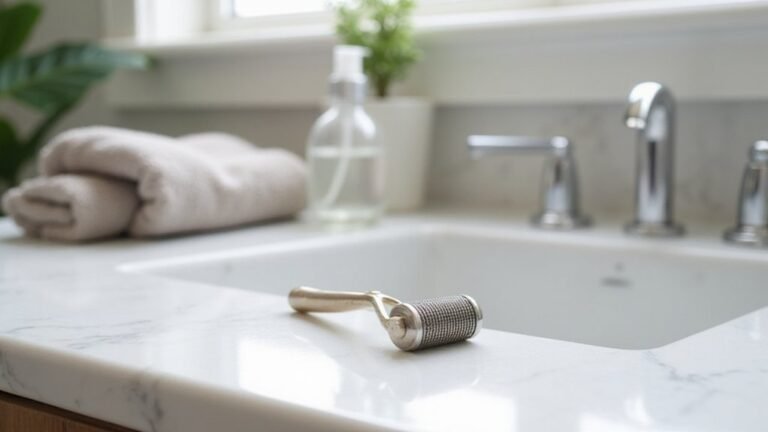
Your skin cells absorb the light, prompting your mitochondria to increase ATP production. This surge in energy supports cellular repair and regeneration. Blue light primarily targets surface bacteria, helping to clear acne and reduce inflammation. Red light penetrates deeper to stimulate fibroblasts, encouraging collagen production. For those considering adjunct cosmetic treatments, it is important to understand how tattoo ink composition can affect light absorption and scattering during these sessions. Near-infrared light reaches the deepest layers, promoting circulation and tissue repair. Since LED masks operate with low heat and no lasers, the treatment is painless, but benefits accumulate over multiple sessions—typically 10 to 20 minutes, several times weekly. Unlike derma rollers that create microchannels to stimulate collagen, LED masks rely on non-invasive light wavelengths that do not puncture the skin.
However, the effectiveness of these sessions hinges on even, full coverage light dispersion, as uneven distribution can significantly reduce the device’s overall efficacy. For best results, the pigment composition in tattoo ink can influence how light interacts with treated skin.
What Are the Main Benefits of Using an LED Mask?
LED masks offer several notable benefits for your skincare routine. Blue light helps support acne-prone skin by targeting bacteria and calming inflammation, reducing breakouts over time. Red light decreases redness and irritation through anti-inflammatory effects, making it effective for conditions like rosacea. You’ll also see subtle improvements in signs of aging, such as fine lines, as LED therapy stimulates collagen production. Additionally, your skin appears brighter and smoother because the mask promotes skin renewal and healing. These benefits are backed by clinical evidence, though consistent use is essential for visible results. Unlike roller derma, which requires consistent treatment sessions to maintain collagen induction, LED masks offer a gentler, non-invasive alternative with no downtime. Sessions are quick—lasting around 10 to 20 minutes—without any downtime needed. However, compared to panels for durability, LED masks may require more careful upkeep over time, much like tape hair extensions need regular maintenance to maximize their lifespan.

Enhanced collagen production capability significantly reduces fine lines, wrinkles and redness, for younger-looking skin.

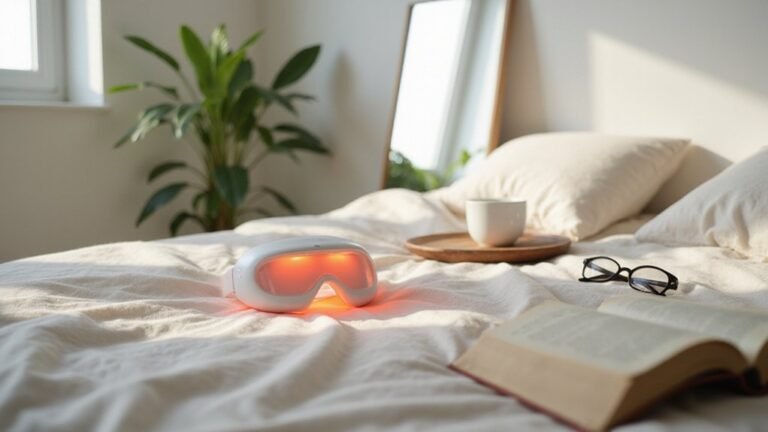
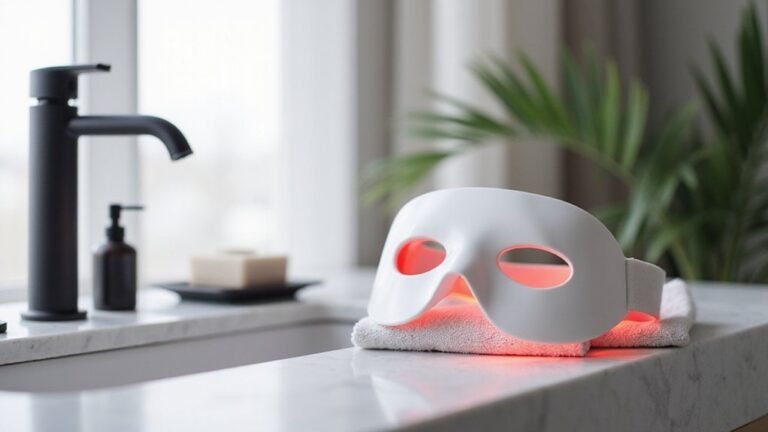
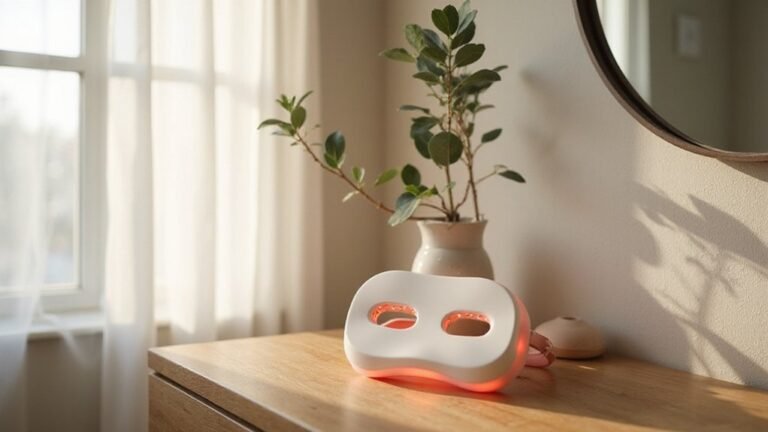
The LED Facial Mask is an over-the-counter, facemask-shaped design light emitting diode (LED) device that emits light energy in the red, blue, and amber spectrum for the treatment of wrinkles or mild to moderate inflammatory on the face.

One-touch power-on for effortless operation: Press and hold for 3 seconds to activate. Wireless design eliminates the need for a remote control. Simply charge fully and lightly touch the switch to use this red light therapy for face
Can an LED Mask Really Fight Wrinkles With Red Light?
While an LED mask won’t produce dramatic changes, it can offer subtle to noticeable improvements in skin texture and wrinkles. Since at-home masks are less powerful than professional devices, you’ll need to be patient for visible results. Evidence supporting wrinkle prevention from red light therapy is weaker than that for actual skin improvement, but consistent sessions can still promote healthier, calmer skin. Keep using the mask regularly—progressive results may take weeks to emerge and can last up to a month after stopping treatment. The main benefits of red light therapy masks extend beyond these cosmetic effects to include supporting overall skin health and recovery. Just as poor application habits can lead to hair breakage with tape-in extensions, improper or overfrequent use of an LED mask may cause skin irritation.

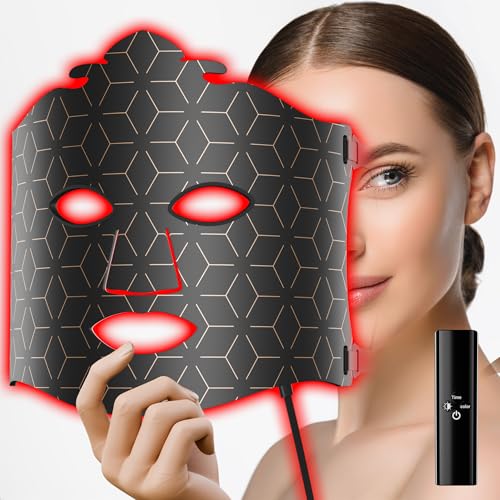
【660nm Red Light—Professional-Grade Performance】This red light therapy mask for face and neck features advanced 660nm red light and 850nm near-infrared technology to help improve the appearance of skin elasticity, firmness, and radiance. Designed for consistent full-face and neck coverage, this LED face mask light therapy device targets visible signs of aging while supporting a smoother, healthier-looking complexion.
![[ Round ] Red Star-Lord Decorations Batman led Light Flexible Helmet Lights Cosplay DIY kit RGB Superhero for Men Gifts](https://m.media-amazon.com/images/I/31L1yBVZZjL._SL500_.jpg)
【Superhero Mask Modification】: Enhance your cosplay with our flexible LED eyes, ideal for Iron Man and Batman masks. Remove the silver edge before cutting and sealing to ensure a superior light effect. Perfect for cosplay LED eyes, making your superhero costume truly shine,

400 LED Beads & 4 Light Therapy: BNU red light therapy mask features 400 high-quality LED beads, delivering 30% more coverage than standard masks for comprehensive facial care. Light therapy mask offers different targeted light modes: Red Light to boost collagen and anti-aging, Near-Infrared to penetrate deeper for skin tightening, Blue Light to combat bad skin and balance oil, and Yellow Light to brighten dull skin and reduce rednes.
Why LED Mask Blue Light Is a Game-Changer for Acne
Blue light not only kills acne-causing bacteria but also encourages pore refinement and helps regulate oil production. These effects create a less hospitable environment for acne to develop and thrive. Because it’s a gentle treatment without harsh chemicals, redness, or flakiness, it’s suitable for sensitive skin types. Over time, with consistent use, you can expect a noticeable reduction in both inflammatory pimples and non-inflammatory blemishes. This makes blue light therapy a noninvasive, effective addition to your acne care routine. For enhanced skin rejuvenation, consider combining blue light therapy with diamond microdermabrasion tips to exfoliate surface dead skin cells before treatment. For those new to at-home devices, choosing a mask with settings comparable to a beginner-friendly tattoo machine can ensure ease of use and consistent results. Understanding the stability of the ingredients, similar to how pigment suspension techniques ensure even color distribution in tattoo inks, can help you maintain consistent light output from your LED mask.
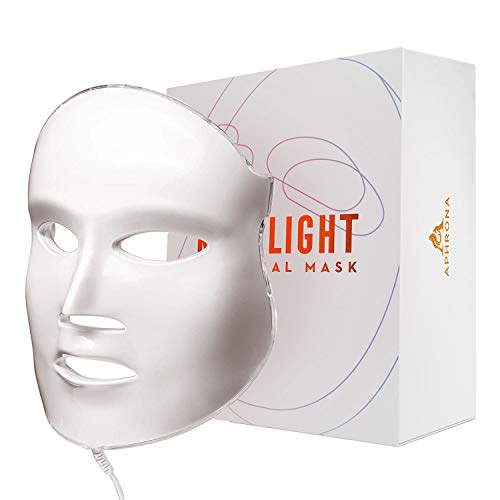
VISIBLE RESULTS IN LESS TIME – Experience the power of LED light therapy with Aphrona’s advanced face mask, designed to rejuvenate and transform your skin. Featuring 450 high-purity (99%) narrow-spectrum LED chips, our mask delivers optimal energy distribution for maximum effectiveness—from the comfort of your home. Distributed in USA.

【Clinical-Inspired Transformation for Acne 】 Powered by clinically studied light wavelengths, this red and blue light mask supports FDA-cleared inflammatory acne treatment and visible skin renewal. In about 2 weeks, skin looks fresher. After 4 weeks, forehead lines, smile lines, dull cheeks appear refined. With 8–12 weeks of continued use, acne-prone look calmer and smoother. Individual results may vary.

【Smoother Skin for Effortless Natural Makeup】Regular use of MICEYLIVE red and blue light therapy for face helps support smoother-looking skin and a more even-looking surface for daily skincare and natural makeup application. Skin appears more refreshed, balanced, and photo-ready for everyday routines or special occasions such as birthdays, Christmas parties, holidays, dates, and family gatherings—allowing you to enjoy a healthier-looking glow with consistent use.
The Calming Effect: How LED Masks Reduce Redness and Inflammation
LED masks effectively reduce redness and inflammation by utilizing red light’s anti-inflammatory properties. This light penetrates deeply into the skin at a cellular level, decreasing the production of pro-inflammatory cytokines and enhancing microcirculation. Unlike heat-based treatments, LED therapy does not generate heat and is gentle, making it suitable for sensitive or rosacea-prone skin. Because there’s no UV exposure, it’s a safe option for regular use. The device also offers a Rejuvenate Mode that combines yellow and infrared light to specifically calm inflammation and promote skin healing. For best results, it is recommended to cleanse the skin before each session to ensure unobstructed light absorption. Additionally, studies confirm that LED masks are generally considered safe for most users when used as directed, though individuals with certain medical conditions should consult a doctor. Similar to tape-in extensions, consistent aftercare routines are vital for maximizing results and device longevity.
Consistent sessions are essential; typically, you’ll see noticeable improvements after four weeks of regular treatments, with optimal results achieved over a few months. The non-invasive nature means you avoid the risk of flare-ups or irritation post-treatment. Engaging in this color therapy regularly can not only calm your skin but also promote a balanced, less reactive complexion, contributing to a sense of well-being and confidence.
Can an LED Mask Improve Your Skin Tone and Texture?
An LED mask can enhance your skin tone and texture gradually with consistent use. Selecting wavelengths like red and green light is key: red light stimulates collagen production, helping to smooth and firm your skin, while green light targets pigmentation issues and dark spots, promoting a more even complexion. This process isn’t about quick fixes; it relies on steady, repeated treatments that activate cellular responses through photobiomodulation. Similar to how tape-in extensions require regular upkeep and care to maintain their appearance, your LED mask sessions demand a consistent schedule to preserve the improvements you gain. LED masks are generally considered safe for most skin types, but realistic expectations are crucial for long-term satisfaction. Proper aftercare, including gentle cleansing before each session, can help maximize the benefits and prevent skin irritation.
Results take time to appear. You might notice a less dull, more radiant glow and smoother surface after several weeks of regular sessions. The improvements include a more uniform skin tone and reduced roughness, but these changes happen slowly. Patience and consistency are essential, as LED therapy works by gradually influencing skin cells rather than providing instant results.

VISIBLE RESULTS IN LESS TIME – Experience the power of LED light therapy with Aphrona’s advanced face mask, designed to rejuvenate and transform your skin. Featuring 450 high-purity (99%) narrow-spectrum LED chips, our mask delivers optimal energy distribution for maximum effectiveness—from the comfort of your home. Distributed in USA.

88 Dense Lamp Beads for Full-Face Coverage: Featuring a 88-bead LED array, this facial beauty mask delivers uniform light coverage across the forehead, cheeks, chin, and jawline—ensuring every cosmetic focus area receives gentle, consistent care for a refined look.
[7+1 Color LED Light Mask]- This advanced LED treatment mask features 7 colors of light, indicator lights - red, blue, yellow, green, purple cyan, white, providing a comprehensive skin solution in one device.
Healing and Repair: How LED Light Helps Your Skin Recover Faster
LED therapy enhances your skin’s healing by increasing ATP production in your cells. This extra energy fuels the repair processes, leading to faster recovery from injuries or cosmetic procedures. It promotes cell regeneration, encouraging the growth of new, healthy skin cells to replace the damaged ones. Red light specifically stimulates collagen synthesis, which strengthens your skin’s structural support during healing. As a result, burns tend to heal up to 50 percent faster, and redness, swelling, and bruising decrease significantly.
LED also reduces inflammation, creating a more conducive environment for wounds to close properly. By activating fibroblasts and improving the remodeling of the skin’s matrix, it helps minimize scarring and lowers keloid formation risks. Whether you’re recovering from a medical treatment or a minor cut, consistent use of an LED mask can accelerate your skin’s return to its resilient, healthier state.

【Experience Professional LED Light Therapy for Face】Indulge in professional-grade LED light therapy at home. This wearable device outputs 630nm red light, 415nm blue light, 605nm amber light and 850nm infrared light. Multiple standard therapeutic wavelengths work together to reduce facial wrinkles and improve mild to moderate inflammatory acne, bringing you professional skincare results
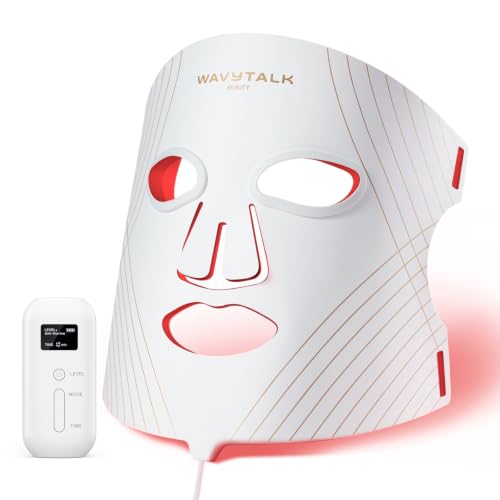
Clinically Proven Results in 28 Days: Achieve visible improvements backed by lab data with Wavytalk’s LED face mask light therapy: up to 81.5% fewer breakouts, 10.5% reduction in fine lines, and a 70.4% boost in skin radiance. Salon-grade technology delivers professional results at a fraction of the cost. Whether you want clearer, younger-looking skin or a brighter glow —Wavytalk’s red light therapy mask delivers.

Clinically Proven Transformation Results: In a clinical study,users report noticeable transformations where forehead creases are softened and nasolabial fold appears less pronounced, while overall skin complexion becomes more even-toned, resulting in a glowing skin after 4 weeks of facial light therapy treatment.Breakouts reduce by an impressive 96% after 12 weeks, with initial changes seen as early as 2 weeks. T-zone oiliness decreases, pores look smaller, and skin becomes significantly less inflamed and breakout-prone.