Worried that tape extensions might damage your hair? You’re not alone—many wonder if these extensions cause harm or if proper care can keep your strands healthy.
The good news is that if installed, worn, and removed carefully, tape extensions generally won’t damage your hair. But improper techniques and habits can lead to breakage or scalp issues.
Keep reading to find out how to protect your natural hair while enjoying extensions.
Do Tape Extensions Actually Damage Hair?
Tape extensions don’t automatically damage your hair; the risk depends mainly on how they’re applied, maintained, and removed. Professional installation and proper removal are essential safeguards. If they’re placed improperly, with poor sectioning or heavy rows, they can put strain on your natural strands. However, when tape-ins are fitted correctly, they lie flat and distribute weight evenly, making them gentler than many other extension methods. Your hair health improves when you choose a professional who matches the extension weight to your natural hair density. Additionally, product compatibility matters—some adhesives or solvents may not work well with your scalp condition or hair type. Avoid overusing extensions, as growing-out and tangling can increase damage, so sticking to a 6–8 week cycle and never removing them at home will greatly reduce the risk of harm. Overapplication or excessive weight, such as over 100 g for fine hair, can lead to breakage and thinning. Using the gentlest removal method—which involves a specialized solvent and slow peeling from the ends inward—minimizes stress on the hair shaft and prevents unnecessary shedding. Professionals should adjust pressure settings to ensure the adhesive bonds properly without crushing the hair shaft, similar to how microdermabrasion devices require calibrated intensity for safety. This careful calibration mirrors the way derma rollers rely on needle depth control to prevent tissue damage while stimulating collagen.
Tension, Breakage, or Alopecia: Which Is Your Hair Experiencing?
Tension, breakage, or alopecia—your hair likely exhibits one of these signs depending on your experience. If you’re feeling persistent scalp pain, tightness, or a burning sensation, it’s a sign of tension. This typically indicates traction alopecia, especially if discomfort is concentrated at your hairline or temples. Continued pulling can inflame follicles and lead to permanent hair loss if you don’t take action early. Frequent tape reapplication cycles can also stretch already-weakened follicles, accelerating traction alopecia in susceptible individuals. Properly following the DIY application guide can help reduce this risk by ensuring even placement and minimal strain. Understanding the chemical composition of the adhesives used in tape extensions is key, as certain ingredients can further irritate sensitive scalps.
Short, snapped hairs around extension attachment points point to breakage rather than shedding. Your hair’s porosity and history of chemical treatments influence its strength; over-processed, weak strands are more prone to snapping under tension. Poor installation techniques, such as uneven distribution of weight or rough removal methods, can also cause shaft fractures.
Early signs like redness, bumps, or tenderness require immediate attention. These symptoms are indicators of traction injury and can be reversible if extensions are removed before scarring occurs. Do not mistake discomfort for a simple adjustment—it’s a warning your scalp needs care.
Is Your Installation Warning You? Red Flags to Catch Early
Your installation can signal trouble before you even leave the salon. If there’s no consultation, that’s a red flag. A good stylist assesses your hair type and goals first to ensure a proper fit. Heavy reliance on glue or vague pricing indicates shortcuts or hidden costs—walk away. After the installation, don’t ignore pain or scalp soreness; tightness isn’t normal and suggests tension or improper tensioning. Excessive shedding or broken hairs near attachments show that your natural strands are struggling under the load. Thinning patches or a receding hairline mean traction damage is occurring and needs attention quickly. Just as a tattoo artist follows careful aftercare to protect fresh ink, you should monitor your scalp for signs of irritation or infection that may require immediate care. Dry, brittle texture or matting at the roots suggest extensions are blocking moisture, and your usual color maintenance routine won’t fix the structural stress. Delayed maintenance or slipping tabs indicate a loose installation that needs a professional adjustment. Just as a tattoo artist uses specific needle configurations to match the precision of different line and shading techniques, a stylist must match extension methods to your hair density to avoid uneven stress. Following safer wear habits like proper cleansing and avoiding constant tension can reduce the risk of lasting damage. Catching these early can prevent months of irreversible damage, and persistent discomfort should always prompt a professional review.

FAST-ACTING HAIR EXTENSION REMOVER: our hair tape in extension remover solvent is specifically designed to quickly and easily remove hair extension glue while being gentle on your skin and hair. Our oil-based rapid remover is suitable for sensitive scalps and will get your hair extensions to tape out without any pulling or damage. our adhesive tape in remover is formulated using citrus oils and extracts that will work on any style of tape in extensions or soft bonds

LONG LASTING: Ultra Stick single sided tape is the strongest, most durable adhesives for tape in hair extensions. No slippage and no damage one sided replacement tape for tape in hair extensions.

Tapes Specifications & Portable Packaging: Each tape measures 1.6 x 0.3 inches, suitable for most daily uses. Available in 24pcs, 48pcs, 72pcs, 120pcs, and 180pcs, with elegant, lightweight packaging to meet various needs
Hair Types Most at Risk for Tape Extension Damage
Certain hair types are more prone to damage from tape extensions. Fine, low-density hair lacks the thickness needed to evenly distribute tension, which causes weight to focus at the roots and increases breakage risk. Chemically processed hair with weak cuticles can’t handle the adhesive’s pull, making it more vulnerable. Hair porosity also influences damage; highly porous hair absorbs adhesive unevenly, leading to a weaker bond and potential breakage. If your hair is thinning or shedding actively, the added tension from extensions can transfer strain to neighboring strands, worsening hair loss. Extensions worn on already fragile hair may also cause traction alopecia if the tension is not carefully managed over time. Extremely textured or brittle hair is more likely to snap under repeated movement. Additionally, those with sensitive scalps may experience irritation or inflammation from adhesives, similar to how ingredients in tattoo ink can cause allergic skin reactions. Fragile or overprocessed hair often benefits from taking a break from extensions until its strength and integrity are restored. Skipping refits beyond the typical 6-8 week window can increase damage by allowing the adhesive to migrate and mat against the scalp.

SKIN-SAFE PROTECTIVE BARRIER: Creates a thin shield that helps minimize irritation beneath wig tape and tape in hair extensions human hair; ideal for sensitive skin.

Say goodbye to sticky fingers and hair! Our Tape-in Remover is specially designed to easily remove Tape in Adhesive with little to no residue.

DETANGLES & DEFRIZZES: Helps smooth and soften hair for easier styling; ideal for refreshing wig installs, lace systems, and toupee applications that need a clean, manageable finish.
Why Incorrect Placement Causes Root Stress and Shedding
Incorrect placement of tape extensions can cause significant root stress and shedding. If the tapes are positioned less than ¼ to ½ inch from the scalp, they create constant tension on your natural hair. This tight placement prevents your hair from moving naturally, leading to buckling at the roots and tugging during everyday activities like brushing or styling. For long hair, a secure wig cap can help manage bulk but does not solve the root tension caused by poorly placed tapes. If your strands have chemical treatments, they are more fragile and prone to damage from this added tension. Working systematically from the bottom to the top of the head during removal helps prevent this tension by avoiding pulling on hair. Proper tape application technique is essential to distribute weight evenly across the hair shaft. A wig cap provides a smooth base that reduces friction and prevents natural hair from snagging during tape extension wear.
Sections that don’t match the tape width also lead to instability. Using too much hair in the bond prevents a proper seal, resulting in increased tugging and loosening. Conversely, placing too little hair in the bond leaves the extensions shaky, causing uneven forces on fewer strands. Misaligned or angled tapes can make tension uneven by pulling hair in different directions, which over time causes soreness, breakage, and shedding—especially when combined with daily styling and movement stress.
Are You Overwearing Your Tape Extensions? Signs to Watch For
If you’re wearing tape extensions beyond the recommended 6–8 week cycle, you’re likely ignoring several clear warning signs. You’ll notice loose or slipping tabs that sit lower than your original placement, with visible gaps between your scalp and the bond. Your roots might mat and tangle immediately after brushing, trapping natural shed hair and creating tension. Increased shedding or breakage appears as clumps in your brush or shower drain. The weight of the extensions pulls on stressed strands, leading to more damage. You may also feel scalp discomfort, soreness, or even tension headaches as the uneven weight distribution shifts. Additionally, dryness, dullness, and product buildup can make your hair color look faded while your extensions feel heavy or stiff. Recognizing these signs early helps prevent long-term damage and keeps your hair healthy. Just as tattoo ink relies on a precise pigment dispersion process to prevent clumping and uneven color, proper tape extension maintenance requires timely removal and reapplication to avoid adhesive buildup and bond failure. For those who prioritize realistic expectations and regular upkeep, tape extensions offer a low-damage way to add length and volume.

【WENNALIFE Plastic Scrapers Non Scratch】WENNALIFE Tape Remover Scraper Tool is a high-quality plastic razor blade scraper designed for efficient tape removal. This durable plastic and robust construction ensures longevity and reliability during tape and adhesive removal tasks, allows reusable without wearing out or breaking concerns. Vibrant hue scraper adds a fun and stylish element to your beauty tools, making it a reliable choice for both professional and DIY users.

GOO GOO Complete Kit: Includes a scraper tool, 10 premium replacement blades, and 6 reusable tape tabs for tape in extension removal and reuse.

【COMFORTABLE GRIP】Plier adopts ergonomically designed handles, comfortable grip, non-slip, not easy to fatigue after long-term use, good resilience, easy to use and labor-saving. Tape scraper is designed to make hair extension tapes easier to remove.
Removal Techniques That Prevent Tape Extension Damage
To prevent tape extension damage during removal, follow a gentle, step-by-step process. First, clip away unaffected sections and work from the nape upward to minimize stress on the hair. Saturate both sides of the tape bond thoroughly with an oil-based or alcohol-based remover—ensure it’s fully wet, not just misted—allowing time for the adhesive to soften. Once the adhesive becomes pliable, carefully slide the bottom weft downward, never pull, as pulling can cause breakage or damage. If resistance persists, apply more remover and wait longer before attempting again. For leftover residue, use additional remover and a fine-tooth comb to gently lift it off; never scrape or use sharp objects. Some removers include silicone coatings, which can help the tape glide off smoothly. Use a wire rat tail comb to poke a hole through the bond and create a “hot pocket” to help loosen stubborn adhesive. Avoid any thermal styling near the bond during removal to prevent heat-related damage. Finish by washing with a clarifying shampoo to remove any remaining buildup, then conditioning your hair to restore moisture. Using a gentle, step-by-step method ensures the adhesive is fully dissolved before any manipulation. Always perform a patch test on a small section first to confirm the remover does not irritate your scalp or weaken the hair shaft. Allowing adequate recovery time between removal sessions helps prevent hair stress, similar to how derma rolling requires proper intervals for skin healing.
Daily Care Mistakes That Lead to Shedding and Breakage
Daily habits that seem helpful can actually cause shedding and breakage if not done properly. Overwashing, for example, can strip your scalp of natural oils, leaving hair dry, brittle, and more prone to snapping. It’s best to shampoo only 2 to 3 times a week, focusing on your scalp rather than the ends. Skipping conditioner after every wash increases friction between strands, which can lead to tangling and breakage. When detangling, always do so gently from the ends upward to avoid causing damage.
Excessive heat styling weakens hair over time, so limit your use of straighteners, curling irons, and blow dryers. Always apply a heat protectant before styling. Tight hairstyles like ponytails or braids create constant tension on the roots, which can cause traction alopecia and thinning hair. Rough towel drying can roughen the cuticle and raise the risk of breakage; instead, pat hair gently with a soft towel.
Product buildup near the scalp can clog follicles and harm scalp health, leading to increased shedding. Avoid heavy, greasy formulas and opt for cleansing products that thoroughly remove residues. Remember, these daily mistakes add up, making your hair appear thinner and less healthy instead of strong and shiny.

HEAT PROTECTION: Shields hair from high-heat styling tools up to 450°F while preventing heat damage and breakage for smoother, stronger strands with every blow-dry, curl, or flat-iron use.
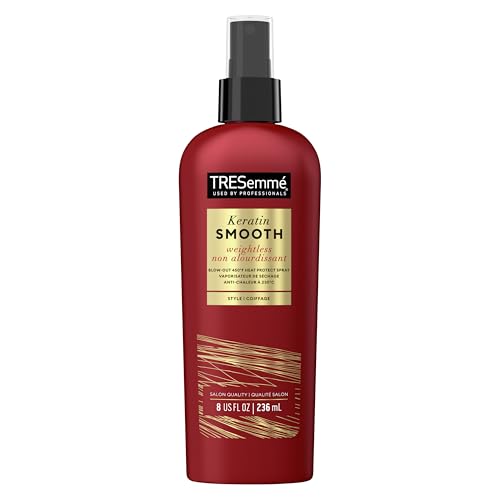
HEAT PROTECTANT SPRAY: TRESemmé Thermal Creations leave-in heat protectant spray for hair provides 5 smoothing benefits in 1, leaving hair shiny and enviably soft

Heat protectant: This weightless heat protectant spray shields your hair from heat damage up to 450°F while delivering lightweight conditioning; preps hair for smooth, strong, ready-to-style hair
Why Tape Extensions Don’t Damage Hair: Installers Do
The health of your hair with tape-in extensions heavily depends on the skill and technique of the person installing them. A professional knows how to position the bonds to evenly distribute weight and tension, reducing the risk of pulling at the roots. If extensions are placed too close to your scalp, it can cause discomfort, tension, and even breakage. The adhesive used in tape-in extensions is medical-grade and lightweight, so it doesn’t damage your hair on its own. Instead, damage usually results from poor technique, such as improper sectioning or sandwiching the hair too tightly. These mistakes can lead to traction alopecia, which is a form of hair loss caused by tension. Properly applied and correctly placed tape-in extensions help keep the load balanced, making them one of the safer options for extension wear when done correctly.
Stop Further Damage: Recovery Plan for Extension Users
If visible damage has occurred, stop further hair loss by removing the extensions immediately to reduce tension on your scalp and follicles. Switch to a sulfate-free shampoo and wash your hair only two to three times weekly with lukewarm water. Focus on your scalp by gently pressing with your fingertips, avoiding vigorous scrubbing. Condition only mid-lengths to ends to preserve moisture and prevent further dryness. Refrain from color treatments until your hair regains strength, and use repair-focused products containing keratin or biotin to boost moisture and repair. Always pat hair dry—never sleep with it damp—and use an extension-safe brush, soft from ends to roots to prevent additional breakage. Take a break of two to eight weeks between extension sets and schedule trims to eliminate split ends. If thinning or irritation continues, consult your stylist promptly to prevent further traction damage.
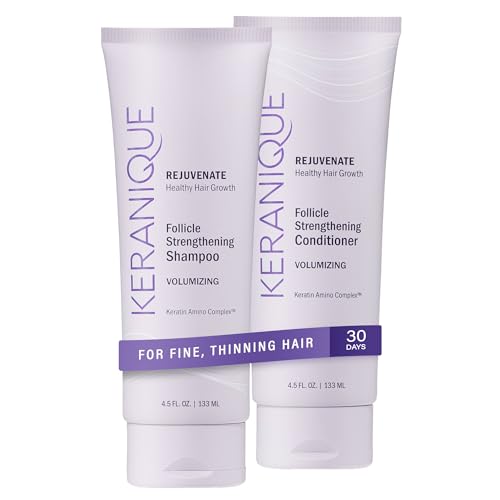
VOLUME-BOOSTING POWER COUPLE: Achieve thicker and fuller hair at any age - our thickening shampoo and conditioner gently cleanse, nourish, and strengthen thin, fine hair, significantly reducing hair fall due to breakage

REVERSE THE DAMAGE: Our shampoo and deep conditioner for damaged hair work in harmony to repair and restore your hair from the inside out, combating the effects of mechanical, thermal, and chemical processes for stronger, more resilient hair

𝐂𝐨𝐦𝐩𝐥𝐞𝐭𝐞 𝐇𝐚𝐢𝐫 𝐂𝐚𝐫𝐞 𝐒𝐞𝐭: Discover the benefits of Biotin Shampoo and Conditioner Set, a powerful duo designed to promote hair growth and strength. This biotin hair growth shampoo and conditioner set offers a balanced solution for hair care. Includes DHT blockers to support overall scalp health and enhance the hair care experience.