Will a High Frequency Wand Work for Your Spa?
Ever wondered if a high frequency wand is worth adding to your spa menu? The quick answer is yes. It’s a low-cost, effective tool that delivers immediate visible results for certain skin and scalp concerns.
Keep reading to see who benefits most and how to make the most of this versatile treatment.
Which Clients Benefit Most From High Frequency Wand Treatments?
Clients with oily or acne-prone skin benefit most from high frequency wand treatments. The ozonated oxygen produced by the device directly targets excess sebum and bacterial buildup, helping to reduce breakouts and clarify the skin. Additionally, clients experiencing scalp issues like dandruff or mild seborrheic dermatitis see notable improvements because the wand’s antiseptic properties regulate oil production and reduce microbial growth. Those with early hair loss or a dull complexion also respond well, as increased circulation and oxygenation revitalize hair follicles and improve skin radiance. For those considering DIY tools, it is important to note that tattoo machine assembly requires very different safety and sterilization standards. For clients also exploring skin needling options, understanding how a derma roller works can help differentiate these complementary treatments. To maximize results, pairing the treatment with suitable serums enhances its effectiveness. Educating clients on how consistent sessions support their home care routines is key, especially when addressing acne or scalp concerns. Always follow the manufacturer’s guidelines for sterilization procedures to prevent cross-contamination between clients. Keep in mind that high frequency treatments work best as complementary therapies rather than standalone cures.

High Frequency for Your Skin: High frequency technology is a way. This over time to give you results

UUPAS High Frequency Technology: High frequency facial wand has a new high frequency technology. It is a 100% natural method that can meet your needs in a variety of ways and is very effective

Realistic High Frequency Wand Results for Your Spa
The results from high-frequency wand treatments are generally temporary. You can, however, deliver noticeable short-term benefits to your clients. Acne is where you’ll see the most consistent improvements; the wand reduces bacteria and calms inflamed breakouts, often helping pimples heal faster. Immediate changes also include reduced puffiness, redness, and smoother skin texture, giving clients a visibly more hydrated and refreshed appearance right after each session. The wand utilizes Tesla current to activate plasma energy within the attachments, producing the ozone that drives these benefits. For clients specifically seeking long-term skin tightening, review the top radio frequency machines for more durable collagen stimulation. For clients with long hair, using a proper wig cap can help keep hair securely in place during treatments.
It’s important to set realistic expectations during consultations. Don’t promise long-lasting anti-aging or collagen-building effects, as evidence for such claims is limited. Instead, emphasize that results are surface-level and will require repeated treatments to maintain. Regular device maintenance is crucial for safety—clean and inspect the wand frequently to prevent burns or blisters, ensuring each session remains safe and effective for your clients.
How Does a High Frequency Wand Actually Work?
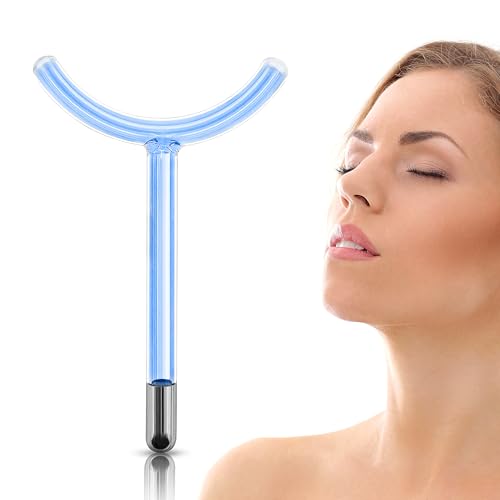
A high-frequency wand works by sending a low-intensity, high-frequency electrical current through a glass electrode filled with argon or neon gas. This electrical current produces mild pulses instead of a shock, accompanied by a distinctive buzzing sound and glow. The visible color of the glow depends on the gas used: neon emits an orange-red hue, while argon glows blue-violet.
When activated, the current ionizes the gas inside the glass tip, creating a charged plasma state. As this ionized gas interacts with oxygen in the air, it forms ozone, which produces the crackling sound you hear. The ozone generated has antibacterial properties, making it effective at targeting acne-causing bacteria directly. Simultaneously, you will experience a gentle warming sensation as the current stimulates your skin’s surface and underlying layers, promoting increased microcirculation. This boost in blood flow delivers oxygen and nutrients that support the skin’s healing process. The treatment shares some similarities with tattoo equipment in that both use electrical current for their respective effects, but the mechanisms and outcomes are entirely different. Unlike tattoo application, which requires proper tape-in extension techniques for secure placement, the high-frequency wand’s glass electrode simply glides over the skin.
In spot mode, you can apply brief sparks directly onto individual blemishes for targeted treatment. The overall effectiveness of the wand relies on a combination of electrical stimulation, ozone production, and gentle heat—rather than deep-tissue penetration. This specific mechanism makes high-frequency technology suitable for skin revitalization, acne treatment, and enhancing overall skin tone. Unlike tattoo guns, which use needle grouping configurations for precise ink delivery, a high-frequency wand relies on a glass electrode to generate its therapeutic effects.
Safe High Frequency Wand Use in Your Spa
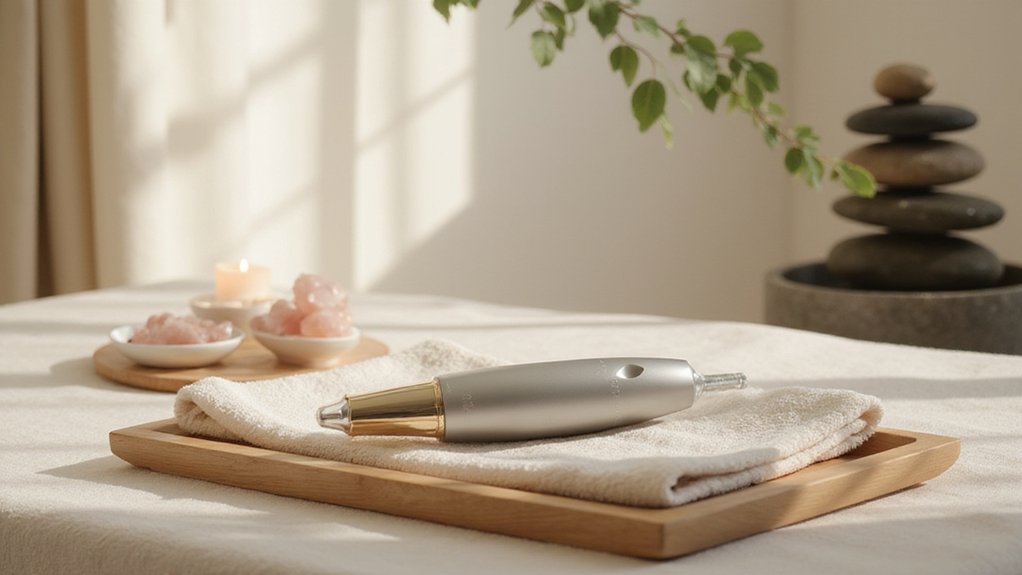
Safety in high-frequency wand use begins with proper skin preparation and awareness of contraindications. Before treatment, cleanse the skin thoroughly and pat dry, avoiding any wet or product-coated areas. Do not apply the wand on broken skin, cold sores, or during pregnancy without medical approval. Start at the lowest intensity setting, using slow circular motions, and never keep the wand steady in one spot. Always steer clear of the eyes and moles, and stop if any pain occurs. Needle density and grouping determine the specificity of any accompanying dermapigmentation work, though for this spa treatment, the wand’s glass electrode delivers current across a broad surface area rather than through discrete needle tips. Equipment maintenance is crucial for safety and longevity. After each use, sanitize the glass electrode with alcohol and store it dry to prevent damage. Proper upkeep not only protects your clients but also extends the lifespan of your device. To promote client trust, highlight these safety protocols in your marketing efforts. Keep sessions to 2 to 3 times per week, lasting between 5 to 10 minutes, and reduce frequency if redness or irritation develops. Unlike derma rollers that rely on micro-needling depth for collagen induction, the high frequency wand uses argon gas to create a mild electrical discharge on the skin’s surface. For post-treatment care, avoid applying heavy products to the treated area, similar to post-removal care recommendations for tape-in extensions.
High-Quality Material Ensures Durability


What Should You Charge for High Frequency Wand Services?
Charging for high frequency wand services typically ranges from $20 to $40 as an add-on for a quick 10-minute boost, or about $40 when offered as a standalone 20-minute treatment. If you include it within a facial, prices can increase to between $65 and $235, depending on the treatment’s length and complexity. To justify higher rates, clearly differentiate your offerings through marketing—highlighting whether it’s a fast enhancement or a premium, corrective facial. Since equipment maintenance costs are relatively low at around $119 for a machine, your profit margins tend to be strong. Consider implementing membership discounts, such as $65 for members versus $80 for non-members, to encourage client retention. Always specify whether the service is an add-on, a stand-alone treatment, or part of a larger package to manage client expectations and value perception. The precision of the wand’s glass electrode is crucial for consistent results, much like the pigment particle size in tattoo ink affects color stability and skin absorption. While the wand offers immediate spot-treating benefits, its effects are generally not as comprehensive for full-face rejuvenation as those seen with LED mask therapy, which requires consistent weekly use over several months.

Boost Your Skin With Argon & Neon – Winner of Cosmopolitan 2023 "Holy Grail" Awards. The NuDerma Professional skin therapy wand includes a total of 6 beauty wands including 3 all new Argon powered applicators and applicators supercharged with Tungsten for improved effectiveness. Use the natural healing power of Argon and Neon high frequency to boost your overall skin profile
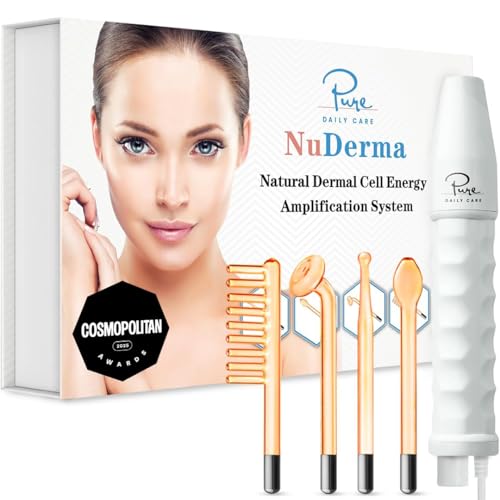
Complete Skin Care System - Winner of Cosmopolitan 2023 "Holy Grail" Awards. Adenosine Triphosphate (ATP) is the universal currency for energy in all cells of the body. As we age, ATP production slows, leading to the outward signs of aging. Sagging skin, hair loss and age spots are among the hallmark signs of decreased cell activity. The NuDerma Skin Wand amplifies cell turnover by supercharging ATP synthesis to slow, halt and ultimately reverse the aging process leading to firmer younger skin.