How Does a Tattoo Machine Work?
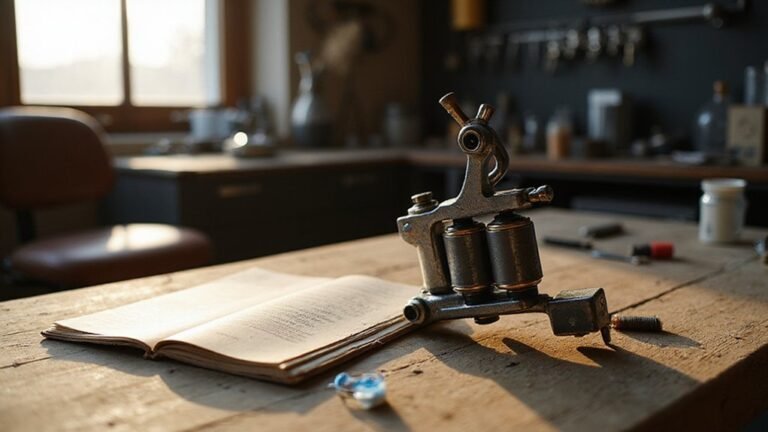
Have you ever wondered how a tattoo machine actually creates those precise, permanent designs on your skin? The way it works involves rapid needle movements that puncture just beneath the surface to deposit ink.
Knowing the mechanics behind it can help you better understand the artistry and precision involved. Keep reading to learn the ins and outs of how these machines function.
How Tattoo Machine Needles Deposit Ink Into Skin
Tattoo needles deposit ink into the skin through rapid, repetitive punctures rather than by injecting it like a syringe. Micro-needles grouped together hold pigment between their points through capillary action. You dip the needle group into ink to load the spaces, then quickly puncture the skin. Each strike creates a temporary channel that, when closed by the skin’s elasticity, traps the ink inside. The goal is to reach the dermis, typically at a depth of 1.5 to 2 millimeters, where fibrous tissue can effectively hold the color. Penetrating too shallowly into the epidermis causes the pigment to shed with skin renewal, while going too deep risks blowouts—smudged or blurred lines. Maintaining the correct depth and steady hand ensures even saturation and vibrant results. Selecting the appropriate needle configuration is crucial for achieving specific line styles and shading effects. A typical tattooing pace ranges from 50 to 3,000 punctures per minute, which helps distribute ink uniformly without flooding the area. This process relies on the skin’s natural elasticity to close the puncture tracks. Proper technique combines depth control, speed, and consistent puncturing to deposit ink reliably into the skin’s layers. Just as tape-in hair extensions can cause damage if applied incorrectly, improper tattooing technique can lead to skin trauma or poor ink retention.
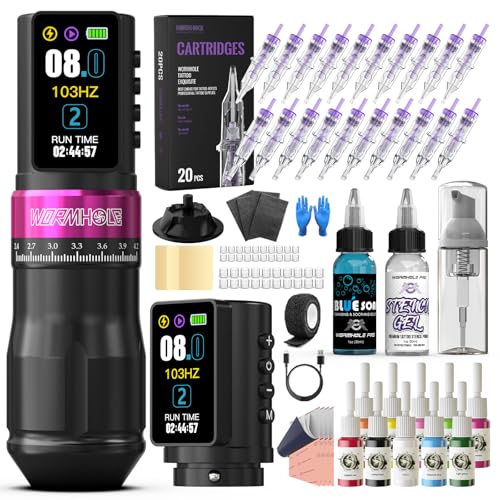
Adjustable Needle Stroke & Durable Aluminum Alloy Build – Customize your tattooing precision with adjustable stroke settings from 2.4mm to 4.2mm in 0.3mm increments. Constructed from high-quality aluminum alloy, this rotary machine is both lightweight and built to withstand daily professional use. Includes a tattoo pen holder for convenient storage and organization

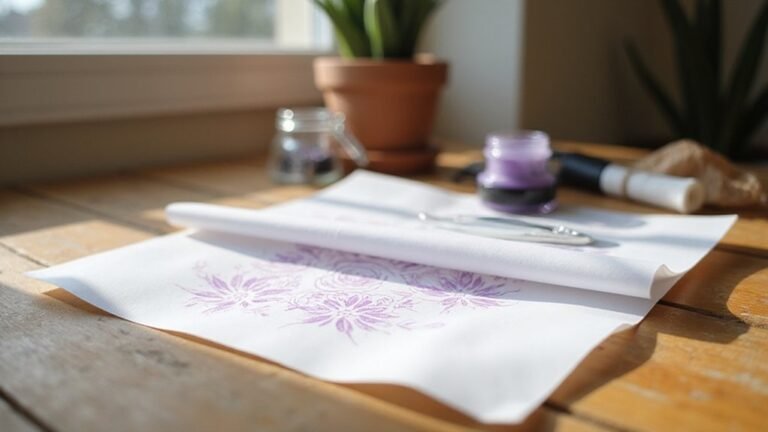
Complete Starter Tattoo Kit: Includes an aluminum alloy rotary tattoo pen, power supply, foot pedal, RCA cord, 20 cartridge needles, 8 bottles of 30ml ink, 2 transfer papers, practice skin, 40 ink caps, grip cover, gloves
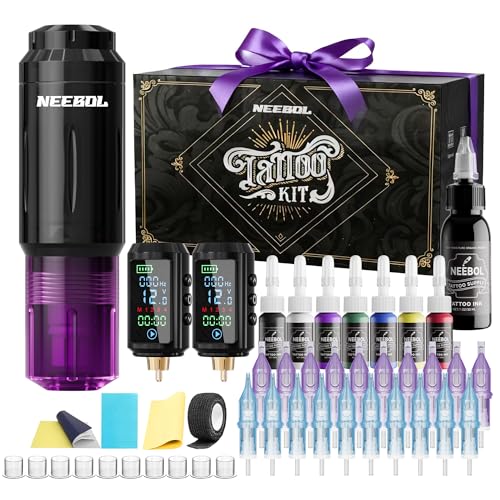
NEEBOL Tattoo Machine Kit with Complete Accessories:This tattoo machine kit includes 1 wireless tattoo gun, 2 x 1600mAh batteries, 20 needles, a large bottle off black ink, a full color ink set, and other essentials—ideal for beginners, apprentices, and professionals seeking a maquina para tatuar.
What Mechanism Drives the Needle Up and Down?
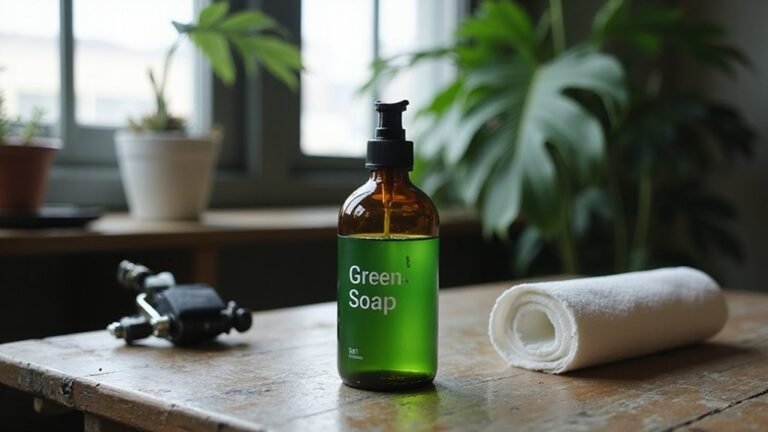
A small electric motor drives the needle up and down by spinning continuously. This motor turns an eccentric cam, which converts the rotary motion into vertical movement. The cam’s shape causes the needle to lift and lower in a smooth, cyclical motion. Because the process depends on constant circular force transfer rather than magnetic pulses or spring rebound, the operation is quieter and more consistent. This mechanism delivers a steady, controlled needle movement without interruption, producing less noise and vibrations during sewing. Proper needle retraction when the machine is off prevents accidental injury and ensures safety. Safety measures also depend on sterile production methods used in manufacturing tattoo ink to prevent contamination. Additionally, green soap is often used to clean the skin before tattooing to reduce the risk of infection. For beginners, single-use needles are recommended to maintain strict hygiene standards during the tattooing process.
How a Pneumatic Tattoo Machine Works
Pneumatic tattoo machines replace the electric motor with an air compressor. Compressed air powers a small piston that moves the needle smoothly and steadily. You can control the speed by adjusting the air pressure—higher pressure for lining and lower pressure for shading. This setup eliminates the buzzing sound of coils and motor hum, providing better noise reduction. It also generates less heat, making it more comfortable for the artist during extended sessions. The design tends to be lightweight, which reduces fatigue and improves maneuverability. Material choice is important; many models use sterilizable metals for easy cleaning. Because there is no electrical motor, sterilization becomes simpler through full autoclave cycles. While the core mechanic of puncturing the skin with ink remains the same, this air-driven system offers quieter and cooler operation. Understanding whether tattoo ink is toxic helps artists choose safer pigments for any machine type. Carson Hill introduced this technology around the year 2000. For stick and poke enthusiasts, selecting top tattoo needles that are compatible with air-driven systems ensures consistent performance. For beginners seeking comfort during long sessions, choosing a lightweight and sterilizable design can also make cleaning and handling easier.
Does Faster Puncturing Mean More Pain or Better Results?
Faster puncturing does not inherently mean more pain or better results. Instead, the key is matching the machine’s speed to your hand’s pace. When these are misaligned, you’re more likely to experience increased discomfort. If the machine runs too fast, the needle can rip your skin, leading to trauma. Conversely, if it’s too slow, it drags, causing irritation and making pain harder to manage. Proper synchronization of hand and machine speed prevents needle bending and reduces skin trauma, ensuring minimal trauma during the process. This careful balance also helps avoid skin trauma similar to what occurs during improper tape removal from hair extensions. Just as tape extensions can damage hair by causing breakage, a tattoo machine moving at the wrong speed can cause real damage to the skin.
Regarding outcomes, a proper match ensures clean, crisp lines and even pigment distribution. If the artist moves faster than the machine’s optimal speed, the ink may appear patchy or under-saturated. If the machine operates too fast, it can cause cuts, scarring, or blown-out designs. Running the machine too slowly can also be problematic, resulting in blurry, overworked tattoos. Focus on balancing speed for each specific task rather than simply increasing puncture rate to improve results.

Designed for Women & Precision Work – The Wormhole wireless tattoo pen is ergonomically designed with a slim, lightweight body that fits perfectly in the hand. Its fine needle and precise control make it ideal for delicate tasks like eyebrow embroidery or any other detailed work, ensuring comfort during long sessions

Wireless Tattoo Gun Pen: Mast Fold2 pro length 140mm/5.5in, weight 233g, standard 32mm grip for great comfortable control, battery work up to 7 hours.
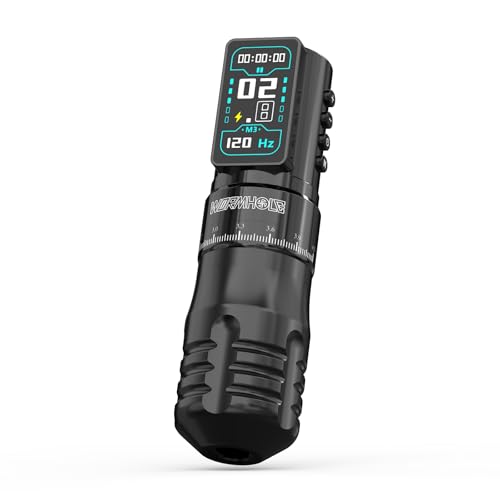
Crafted from durable aluminum alloy, this lightweight wireless rotary tattoo pen combines a powerful motor for smooth performance with an LED smart display that shows real-time voltage, frequency, working time, and battery level—giving artists precise control and full visibility for efficient, professional tattooing
How Coil and Rotary Tattoo Machines Handle Different Tasks
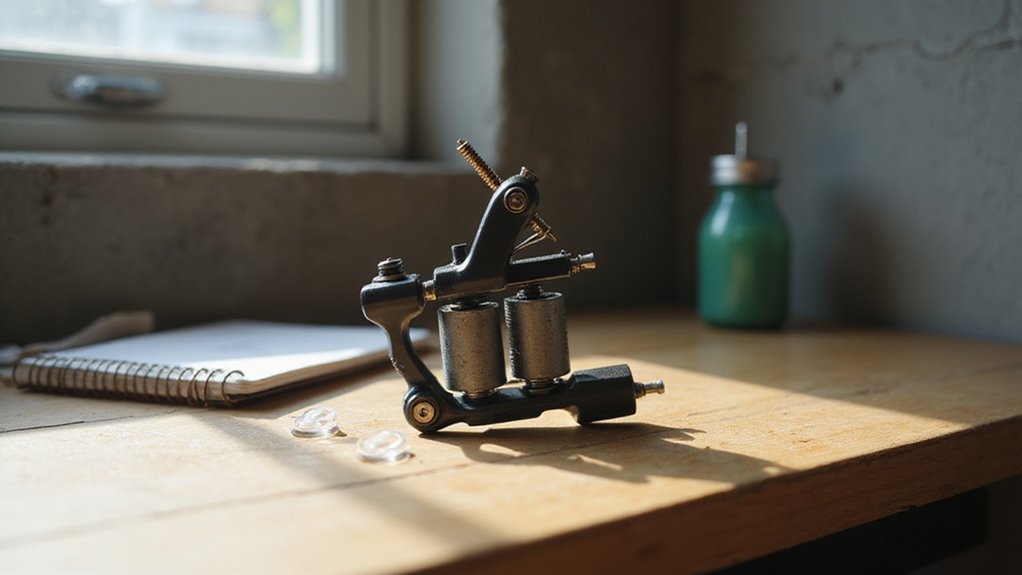
Coil and rotary machines each excel at different tattooing tasks due to their mechanical design strengths. Coil machines are typically preferred for crisp lining because their electromagnetic punch delivers a strong, precise hit that creates bold, clean outlines. They produce a quick, snapping motion that allows for fine, detailed work, making them ideal for intricate line work. Understanding how to use a derma roller involves similar preparation steps, such as cleaning the skin and tools to prevent infection, which parallels the hygiene practices required before tattooing.
In contrast, rotary machines are known for their smooth, consistent motion, which makes them well-suited for shading. Their gentle operation minimizes vibration, enabling even ink saturation over longer passes without fatigue. This versatility extends to lining, shading, and color packing, as they can easily switch needle configurations or adjust voltage for different effects.
While coil machines often require more maintenance and tuning to keep their shading behavior consistent—due to their mechanical complexity—this tuning helps achieve the strong, sharp lines they are favored for. Rotary machines, on the other hand, are more straightforward, with fewer adjustments needed, making them a convenient choice when versatility and ease of use are priorities. Ultimately, your artist’s preference guides the choice: coil machines for precise, bold outlines, and rotary machines for smooth shading and a broader range of tasks.